
Difference Between Water Damage and Mold Damage
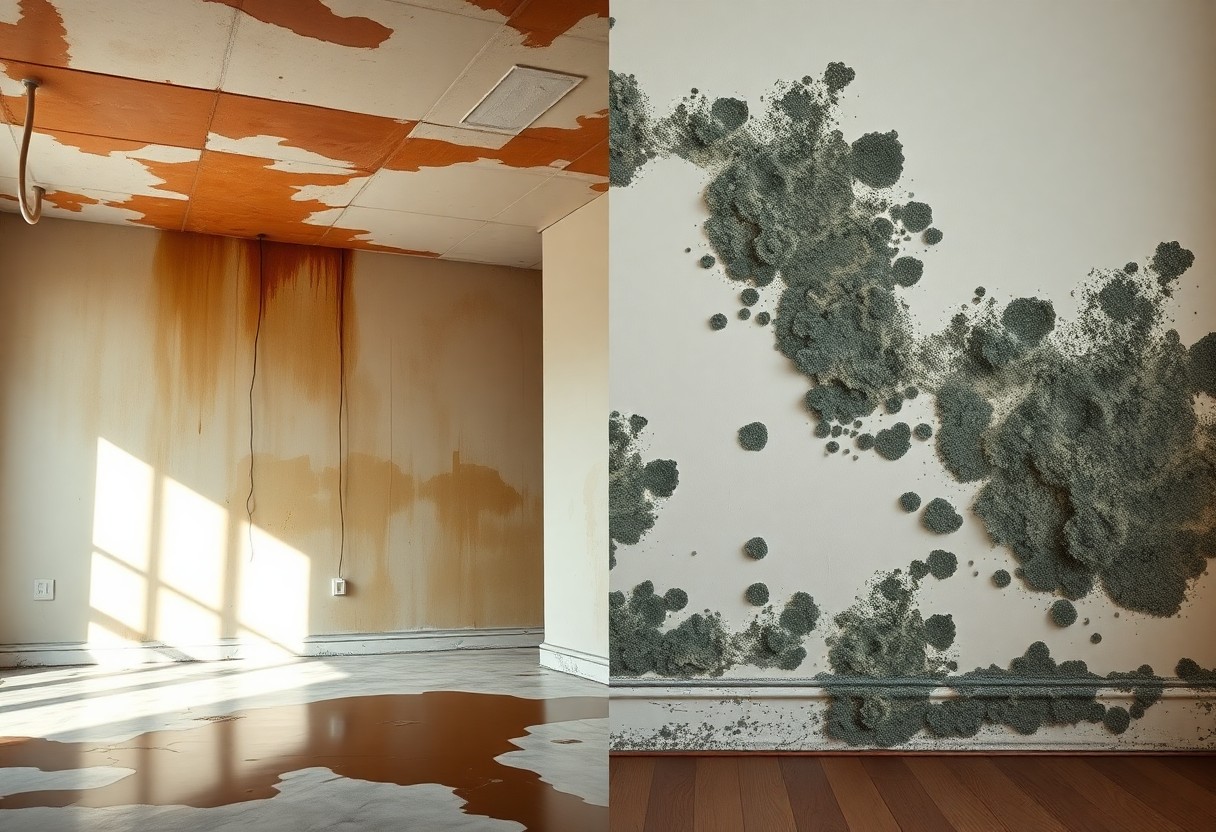
Just because both involve moisture doesn’t mean they’re identical: water damage describes immediate physical harm to your building materials and belongings from flooding or leaks, while mold damage refers to fungal growth that can persist, spread, and pose health concerns even after water is removed. You should assess causes, timelines, health risks, and repair strategies differently to protect your property and wellbeing.
Understanding Water Damage
A water incident can weaken your structure, warp floors, damage finishes, and create electrical hazards, so you must act quickly to stop leaks, document losses for insurance, and dry affected areas to limit long-term deterioration.
Causes of Water Damage
Causes include burst pipes, leaking roofs, overflowing appliances, sewer backups, and storm flooding, and you should inspect plumbing, appliances, and rooflines regularly to detect leaks early and reduce repair costs.
Types of Water Damage
Water damage varies by source and contamination: clean appliance leaks, gray water from sinks or machines, and black water from sewage or flood runoff, and you should identify the type before cleanup. Thou, you should prioritize safety and call professionals for contaminated losses.
- Category 1 – clean water (supply lines, fixtures)
- Category 2 – gray water (dishwashers, washing machines)
- Category 3 – black water (sewage, floodwater)
- By source – leaks, seepage, surface flooding
| Type | Clean, Gray, Black |
| Typical Source | Pipes, appliances, sewage, storms |
| Contamination | Low to high; guides cleanup |
| Immediate Action | Stop source, dry, disinfect |
| Health Risk | Allergens, pathogens, structural harm |
It helps you to classify damage by contamination, materials affected, and drying time so you can choose the right response and prioritize repairs. Thou, you should document conditions, photograph damage, and contact specialists for black-water or pervasive losses.
- Assess contamination level first
- Dry and dehumidify promptly
- Disinfect when contamination is present
- Monitor for mold growth during recovery
| Material | Vulnerability (wood, drywall, carpet) |
| Dry Time | Hours to days depending on severity |
| Mold Risk | Increases with moisture and time |
| Repair Needs | Cleaning, drying, partial or full replacement |
| Cost Factors | Extent, contamination, materials affected |
Understanding Mold Damage
It develops when spores settle on damp materials in your home, allowing colonies to grow on drywall, wood, and insulation; you may face structural weakening, persistent odors, and health symptoms, so you should locate moisture sources, dry areas quickly, and plan targeted remediation.
Causes of Mold Damage
Across your property, mold follows persistent moisture from leaks, floods, condensation, high humidity, or poor ventilation; when you allow wet materials to remain beyond 24-48 hours, spores colonize, so you should repair leaks, dry surfaces, and control indoor humidity to limit growth.
Types of Mold Damage
An overview of common types includes surface staining, material degradation, hidden structural decay, HVAC contamination, and allergenic or toxic contamination; you should inspect visible signs, test suspicious growth, and isolate affected areas. Thou must act promptly to remediate extensive infestations.
| Surface staining | Can discolor your walls and ceilings, often removable with cleaning |
| Material degradation | Weakens wood, drywall, and fabrics, requiring repair or replacement |
| Hidden growth | Spreads behind finishes and inside cavities, increasing repair scope |
| HVAC contamination | Distributes spores through your ventilation, worsening spread and exposure |
| Allergenic/toxic impact | Can trigger allergies or respiratory issues for occupants |
- Surface issues you can often clean yourself if contained.
- Structural or hidden damage typically requires inspection and repair.
- Thou should engage professionals when contamination is widespread or health risks exist.
Understanding species differences and locations helps you prioritize response: some molds mainly stain, others actively degrade materials or release irritants that worsen asthma, and concealed colonies can undermine framing; you should test suspect growth, stop moisture, and plan remediation based on extent.
| Staining molds | Primarily aesthetic, may signal moisture issues you must fix |
| Degrading molds | Consume organic building materials, threatening structural integrity |
| Hidden colonies | Multiply unseen behind walls, increasing cleanup complexity |
| HVAC-associated | Spread spores through systems, requiring duct cleaning |
| Allergen/toxin producers | Can aggravate allergies and respiratory conditions for occupants |
- You should prioritize drying, removal of saturated materials, and targeted cleaning.
- You should document damage and contain affected zones to limit spread.
- Thou should consult certified remediators for extensive or health-related contamination.
Key Differences Between Water Damage and Mold Damage
While water damage is the immediate physical harm from leaks, floods or condensation-causing warping, staining, and structural softening-mold damage is a biological process that follows persistent moisture, spreading via spores and degrading materials over time; you must address water intrusion quickly to prevent mold growth and higher repair costs.
Signs and Symptoms
Below, signs of water damage include visible stains, dampness, peeling paint, warped floors and sagging ceilings, while mold signs include fuzzy or patchy growth, persistent musty odors and allergic or respiratory symptoms; you should inspect behind drywall, under flooring and inside ducts for hidden issues.
Impact on Health and Property
Impact on health and property differs: water weakens structures, damages finishes and can short electrical systems, whereas mold releases spores that can trigger allergies, asthma and other respiratory problems-your repairs and health risks escalate when mold becomes established.
Considering health risks, you may experience sneezing, coughing, headaches or more severe reactions if you are sensitive or immunocompromised; on property, mold can reduce resale value and force extensive removal or replacement of contaminated materials, so you should document damage for insurance and hire qualified remediation professionals.
Prevention Strategies
Your best defense against both water and mold damage is proactive maintenance: inspect plumbing regularly, maintain gutters and grading, control indoor humidity, and address leaks or water stains immediately to reduce the conditions that allow mold to take hold.
Preventing Water Damage
Around your home, inspect roofs, gutters, and foundation drainage regularly; schedule pipe inspections, insulate exposed pipes, install or test sump pumps, and shut off water when you’re away to minimize water intrusion and long-term deterioration.
Preventing Mold Growth
At home, you should keep indoor humidity between 30-50%, use exhaust fans in bathrooms and kitchens, dry wet materials within 24-48 hours, and clean and disinfect moisture-affected areas to prevent mold spores from colonizing.
Preventing mold requires you to routinely monitor hidden moisture sources like behind appliances and under sinks, use dehumidifiers in basements, replace water-damaged drywall or insulation promptly, and hire professionals for widespread contamination to protect your health and property.
Remediation Processes
Many remediation processes combine rapid assessment, moisture removal, decontamination, and structural repairs so you recover safely and avoid long-term damage, with professionals coordinating inspections, insurance documentation, and restoration steps.
Water Damage Restoration
Remediation of water damage starts with stopping the source, extracting water, and using professional drying and dehumidification; you’ll also get structural assessments, salvage decisions, and repairs to restore habitability.
Mold Remediation
Before mold remediation, you should identify moisture sources, contain affected areas, and wear proper PPE; trained technicians remove contaminated materials, apply antimicrobials, and verify safe spore levels before you reoccupy.
For instance, you may require HEPA filtration, localized demolition of porous materials, targeted cleaning protocols, moisture-proof repairs, and post-remediation testing; following a clear moisture-control plan helps you prevent recurrence.
Importance of Professional Help
Despite appearances, water and mold damage often hide in walls, floors, and HVAC systems; if you try DIY fixes you can miss moisture pockets, allow mold to spread, worsen structural harm, and risk health issues. Professionals use detection tools, containment, documented protocols, and insurance-ready reports to stop damage promptly and restore your space safely.
When to Call Professionals
Professional help is needed when you encounter standing water, water intrusion older than 24-48 hours, widespread or recurrent mold, sewage contamination, HVAC-linked spread, visible structural compromise, or health symptoms in your household; you should also call if your insurer requires certified mitigation.
Choosing the Right Service
Across providers, verify licenses and IICRC or equivalent certifications, confirm liability and workers’ compensation coverage, check references and reviews, obtain written estimates with clear scope and timelines, and ensure they follow industry drying and remediation standards with a warranty.
Professionals you hire should explain their moisture-mapping and inspection methods, use infrared and hygrometers, outline containment and disposal plans, perform post-remediation clearance testing, disclose subcontractors, provide a firm timeline and payment schedule, and communicate how they will minimize disruption to your home.
Final Words
Drawing together, you should distinguish water damage as the immediate physical harm-warping, staining, weakened structures-from mold damage, which is biological growth that develops after moisture and can spread, degrade materials, and affect health. You need to address the source and dry areas promptly to limit both, but mold often demands specialized inspection and remediation because it can be hidden and persistent. Protecting your property means repairing leaks, drying thoroughly, and testing or hiring professionals when mold appears.