
Health Risks Associated With Household Pests
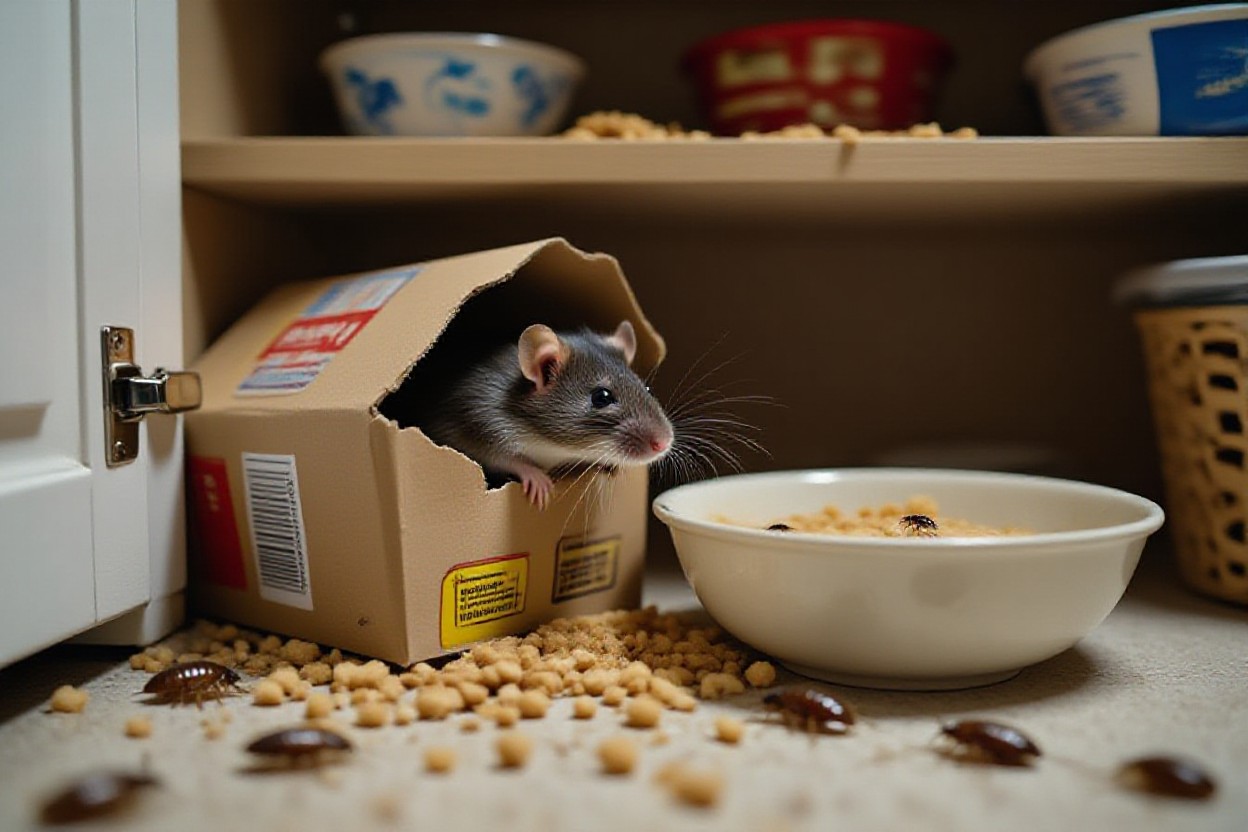
Risks posed by household pests extend beyond nuisance to significant threats to your health; rodents, cockroaches, mosquitoes, and bedbugs can transmit diseases, trigger allergies, contaminate food, and worsen respiratory conditions.
This post explains how pests affect your well-being, identifies signs to watch for, and outlines practical prevention and mitigation steps you can take to protect your home and family.
Overview of Common Household Pests
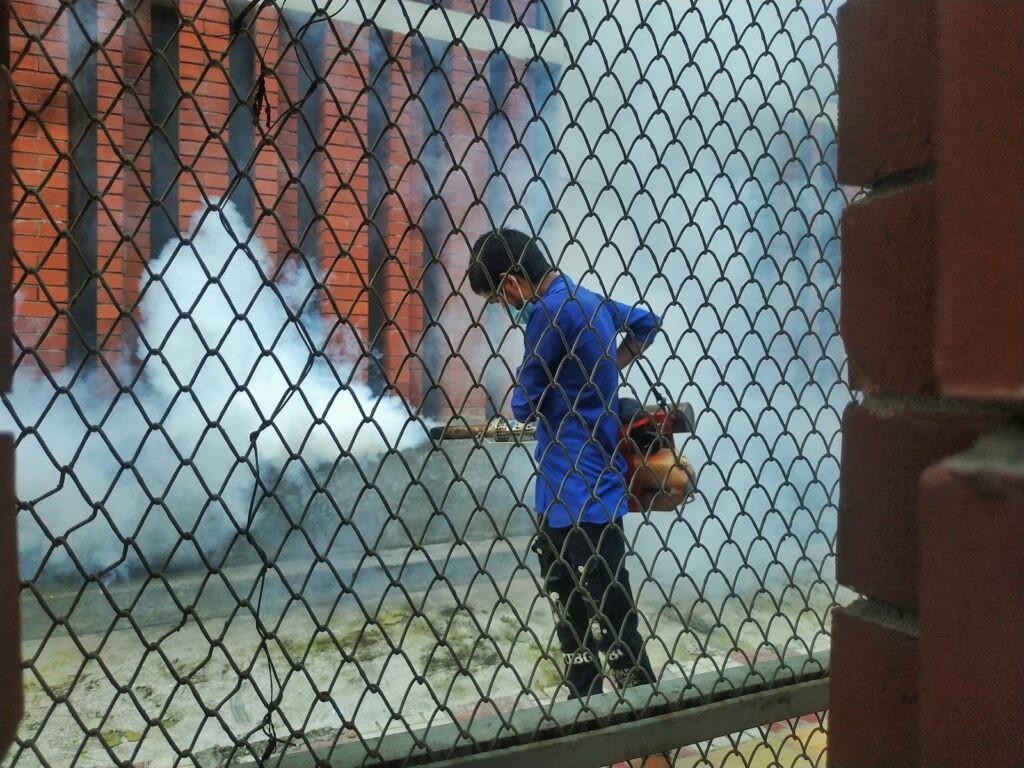
Before you tackle infestations, be aware that rodents, cockroaches, bed bugs and ants can carry pathogens, trigger allergies, contaminate food and damage structures; knowing how each pest behaves helps you prioritize prevention, sanitation and targeted control to protect your family’s health and your property.
Rodents
Rodents invade your home for food and shelter, contaminating surfaces and food with droppings and urine, spreading diseases like hantavirus or leptospirosis, and chewing wiring that can cause fires; sealing entry points, improving sanitation and using traps or professional exclusion reduces your exposure.
Insects
About insects such as cockroaches, bed bugs, mosquitoes, fleas and ticks, each can affect your health by spreading pathogens, provoking allergic reactions or causing painful bites; inspecting luggage, treating pets, eliminating standing water and reducing clutter helps you limit their habitats and risks.
Further, you should apply integrated pest management: combine exclusion, sanitation, monitoring and targeted, low-toxicity treatments, protect children and pets during control measures, and consult licensed professionals for persistent or widespread infestations to ensure your safety and efficacy.
Health Risks from Rodents
While rodents often seem like a nuisance, they pose serious health risks by contaminating food, spreading pathogens, and triggering allergies; you can be exposed through bites, droppings, urine, or fleas, increasing risk of hantavirus, leptospirosis, and Salmonella; controlling infestations and sealing entry points reduces your exposure and protects family health.
Diseases Spread by Rodents
Against the misconception that rodents are harmless, you face diseases such as hantavirus pulmonary syndrome, leptospirosis, salmonellosis, and rat-bite fever; you can contract them through inhaling contaminated dust, contact with urine or droppings, contaminated food, or bites; prompt cleaning, PPE, and pest control lower your risk.
Allergic Reactions and Asthma
Along with infectious diseases, rodents shed dander, droppings, and urine that provoke allergic reactions and worsen asthma; if you have allergies or asthma, exposure in your home can increase symptoms, frequency of attacks, and need for medication; reducing infestations and improving cleaning and ventilation helps protect your respiratory health.
This exposure triggers immune responses in your airways-histamine release and inflammation-that can cause coughing, wheezing, nasal congestion, and sleep disruption; children and those with preexisting asthma are at higher risk, so you should prioritize professional pest removal, airtight food storage, allergen-proof bedding, and high-efficiency air filters to limit ongoing exposure.
Health Risks from Insects
There’s a range of insect-linked hazards in your home: bites and stings can cause pain and allergic reactions, while insects contaminate food and surfaces, increasing risks of infections, gastrointestinal illness, and respiratory problems; you reduce exposure by maintaining cleanliness, sealing entry points, and addressing infestations promptly.
Diseases Spread by Insect Bites
Across your living space, mosquitoes, ticks and fleas can transmit pathogens that infect you-diseases include West Nile, dengue, Lyme and typhus-so you should avoid bites with repellents and protective clothing, check for ticks after outdoor activity, and seek medical care for fever or unusual symptoms.
Contamination from Insect Activity
Spread by flies, ants, beetles and cockroaches, contamination happens when insects transfer bacteria, viruses and parasites from waste to your food and utensils, leaving droppings and body fragments that can cause food poisoning and worsen allergies if you ingest or inhale contaminated particles.
At infestation sites, insect droppings, shed skins and frass form allergenic dust and promote bacterial growth that persists on surfaces and in stored food; you limit harm by discarding contaminated items, cleaning with disinfectant, storing food in sealed containers, and contacting pest control for persistent problems.
Psychological Impact of Infestations
All infestations can erode your sense of safety and control, increasing vigilance and causing sleep disruption, persistent worry about contamination or damage, and avoidance behaviors that interfere with daily routines and social life.
Stress and Anxiety
At the first signs of pests you may experience acute stress and ongoing anxiety driven by health fears, financial concerns, and uncertainty about resolution, which can show up as irritability, trouble concentrating, and disrupted sleep.
Impact on Quality of Life
Behind visible damage, infestations often limit your use of living spaces, force routine changes, and create embarrassment or conflict, reducing satisfaction with your home and undermining emotional well‑being.
In addition, repeated treatments, ongoing vigilance, and avoidance of visitors can produce financial strain and social isolation, compounding stress and making it harder for you to relax and feel secure in your own home.
Prevention and Control Measures
Not every solution involves pesticides; you protect your health by sealing gaps, storing food in airtight containers, fixing leaks, and keeping outdoor areas tidy. Regular inspections and swift action reduce infestations, lower allergen levels, and limit bites and disease exposure in your home.
Maintaining a Clean Home
To minimize pest attraction, you should clean spills immediately, store perishables in sealed containers, take out trash frequently, vacuum and dust regularly, and remove clutter and standing water so pests lose food, shelter, and breeding sites in your living spaces.
Professional Pest Control Solutions
Alongside your efforts, you may need licensed professionals for persistent or widespread infestations; they apply integrated pest management, use targeted treatments, and coordinate safe strategies to reduce health risks while preserving your household environment.
Professional services begin with a thorough inspection to identify species, entry points, and risk factors; you receive a tailored plan that can include exclusion, sanitation guidance, nonchemical methods, and monitored follow-up to ensure sustained control and safety for your family.
Responding to Pest Infestations

Many infestations demand prompt, measured action: you should assess the scope, secure food and water, limit access to affected rooms, and protect vulnerable household members. You can document signs and collect samples safely, then decide between DIY steps and professional services based on risk. Acting early reduces exposure and long-term damage to your home.
Identifying the Problem
Problem identification begins with you observing patterns: note droppings, damage, odors, nesting materials, and when and where you see pests. You should distinguish occasional sightings from active infestations, inspect entry points, and consider seasonality. Accurate identification helps you choose targeted treatments and reduces unnecessary pesticide use in your home.
Safe Removal and Treatment Options
After confirming the pest and assessing hazard level, you should prioritize nonchemical controls like exclusion, traps, sanitation, and habitat modification, reserving pesticides for targeted application. If you use chemicals, follow label directions exactly, protect children and pets, and consider hiring licensed professionals for extensive problems to protect your household and reduce exposure.
Even low-toxicity options require care: you must wear gloves, ventilate treated areas, and store products securely. You should monitor effectiveness, dispose of dead pests safely, and schedule follow-up inspections. When in doubt, you can request an integrated pest management plan from a reputable provider to minimize health risks and chemical use in your living spaces.
Summing up
From above, you can see household pests pose significant health risks through allergies, asthma triggers, bites, and disease transmission; your food and surfaces may become contaminated, increasing infection risk, and pest droppings and shed skins can exacerbate respiratory issues. You should prioritize prevention, sanitation, and timely professional control to protect your household’s health and reduce long-term medical consequences.