
Most Common Plumbing Problems in Houses
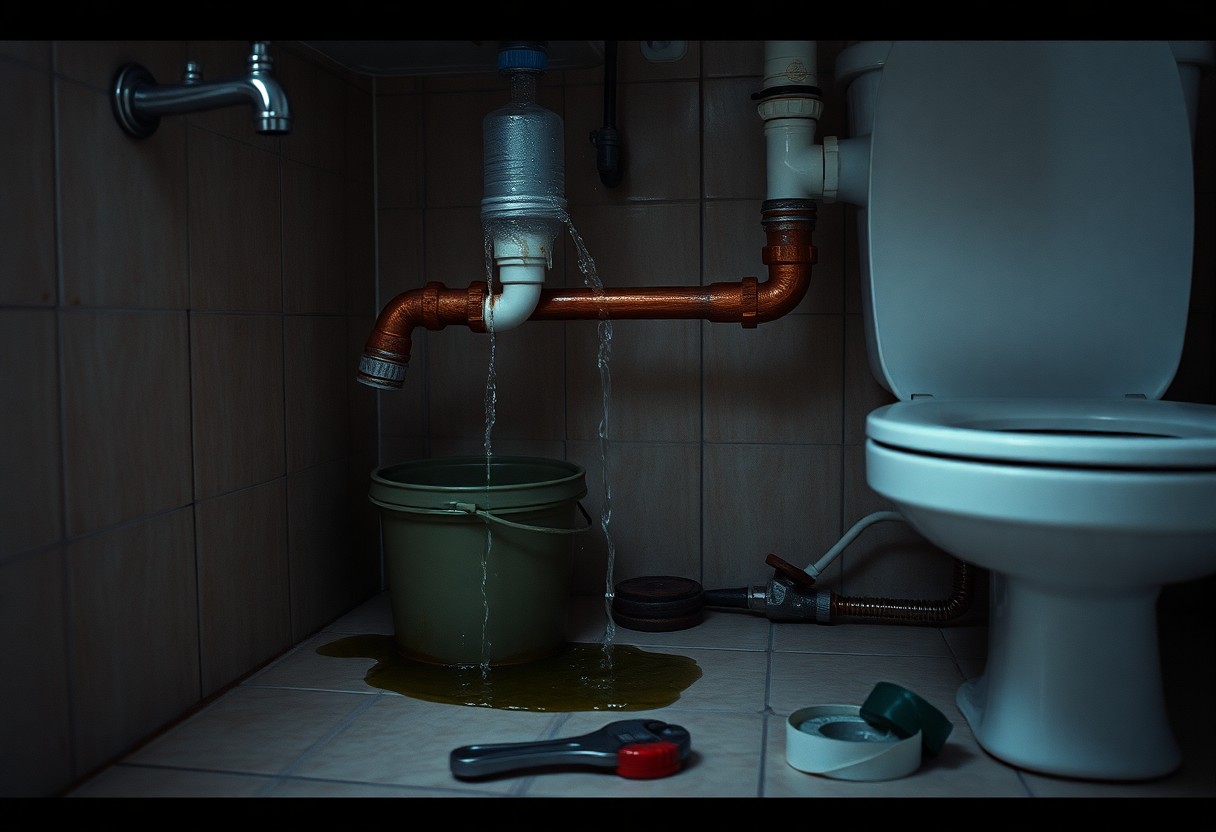
Houses often experience leaks, clogs, low water pressure, and running toilets that can interrupt daily life; in this guide you’ll learn how to identify these common plumbing problems, understand their typical causes, and apply practical steps to diagnose and address them safely so you can protect your home and avoid costly repairs.
Leaky Faucets
For you, a leaky faucet is a common household issue that wastes water, raises bills, and can stain sinks; you should spot constant dripping, intermittent leaks, or wet cabinets and act promptly to protect your fixtures and prevent further pipe damage.
Causes of Leaky Faucets
Around the most common causes are worn washers and O‑rings, corroded valve seats, mineral buildup on cartridges, high water pressure, and loose or damaged fittings; you may also encounter failing ceramic discs or cracked seals in older fixtures.
How to Fix a Leaky Faucet
Faucets are typically fixed by shutting off your water, plugging the drain, removing the handle, inspecting and replacing worn washers, O‑rings, or cartridges, cleaning mineral deposits, reassembling, and testing; you should have basic tools and replacement parts and call a pro if leaks persist or corrosion is severe.
Even when you perform repairs yourself, bring the old part to the store or note the model to match replacements, use plumber’s grease on O‑rings, avoid overtightening, check supply lines and fittings for hidden leaks, and consider full replacement if problems recur frequently.
Clogged Drains
You frequently encounter slow or stopped drains when hair, grease, soap, or debris accumulate, causing odors and backups; addressing blockages promptly limits pipe damage, reduces health risks, and prevents more costly repairs down the line.
Common Causes of Clogs
On most homes, hair, cooking fats, wet wipes, soap scum, mineral buildup, and tree roots are typical culprits; improper disposal and aging or narrow pipes increase the likelihood of blockages, which you’ll notice as slow drainage, gurgling, or water pooling.
Prevention and Solutions
Solutions include using drain strainers, avoiding pouring grease down sinks, running hot water after use, employing a plunger or hand auger for minor clogs, and calling a licensed plumber for persistent or deep-seated blockages to protect your plumbing.
To reduce recurring clogs, routinely clean strainers, dispose of food and grease in the trash, limit flushable-wipe use, inspect sewer lines for roots, schedule annual plumbing checks, and use chemical cleaners sparingly-follow product guidelines or consult a professional to avoid pipe damage.
Running Toilets
Some running toilets waste gallons of water and signal worn tank components; you’ll hear continuous flow or notice the bowl refilling intermittently. You should inspect the tank parts like the flapper, fill valve, and float, since addressing these faults quickly lowers your water bill and prevents mineral buildup that makes repairs harder.
Identifying the Issue
Against common belief, you can pinpoint the cause yourself by lifting the tank lid to observe the flush sequence, adding food coloring to check for leaks into the bowl, and watching the fill valve and float for irregular movement; these simple checks reveal whether adjustment or part replacement is needed.
Repairing a Running Toilet
On many toilets, stop the flow by turning off the shutoff valve, flush to drain the tank, then inspect and replace a worn flapper, adjust the chain, or swap a faulty fill valve with a compatible kit; basic tools and a parts diagram from the manufacturer guide an effective repair.
And if you face persistent leaks, corroded components, or repeated failures, replace both the flapper and fill valve with higher-quality parts, test several fill cycles and use dye to confirm a seal, and call a professional when repairs don’t halt water loss or the tank mechanism is unusually complex.
Low Water Pressure
Not having strong flow from your taps makes daily tasks frustrating, and you should treat low water pressure as a sign to inspect shutoff valves, pipes, and fixtures before leaks or appliance issues develop.
Potential Causes
Among common causes are mineral buildup in aerators and pipes, partially closed shutoff or pressure-reducing valves, corroded or leaking lines, and municipal supply fluctuations that reduce what reaches your fixtures.
Solutions to Improve Water Pressure
An effective first step is for you to clean faucet aerators and showerheads, fully open supply and pressure-reducing valves, and test the main line; if pressure remains low, have a licensed plumber evaluate the system.
In addition, a professional can perform a pressure test, replace corroded sections, install a pressure regulator or booster pump, and advise on repiping or service-line upgrades so you avoid repeated problems.
Water Heater Problems
Keep monitoring your water heater for leaks, strange noises, reduced hot water output, or rusty-smelling water; you can often spot failing elements, sediment buildup, or corroded tanks early and address problems before they escalate.
Signs of Water Heater Issues
To spot trouble, watch for fluctuating temperatures, cold spells, discolored or odorous water, pooling around the tank, loud banging sounds, or frequent cycling; if you notice any of these, have a professional check your unit promptly.
Maintenance Tips
On a regular schedule you should perform basic maintenance to extend your heater’s life:
- Flush the tank annually to remove sediment
- Test the temperature-and-pressure (T&P) valve
- Inspect and replace the anode rod when corroded
- Insulate hot water pipes and the tank where applicable
Perceiving any decline in performance or visible leaks, you should arrange professional service immediately.
Heater maintenance also involves safety checks and knowing replacement timelines to protect your home and your investment:
- Have the T&P valve and fittings inspected yearly
- Plan to replace tanks around 10-15 years depending on condition
- Maintain clearance around the unit and proper ventilation
- Use a licensed plumber for repairs and parts replacement
Perceiving rapid temperature loss, continuous leaking, or foul odors requires immediate professional intervention.
Pipe Issues
Unlike surface leaks and dripping fixtures, pipe issues often develop out of sight in walls, floors, or underground, and you may only notice secondary signs like low pressure, stains, or musty odors; inspect accessible lines, monitor your water bills, and schedule a professional evaluation to locate hidden breaks, failing joints, or materials that need replacement.
Frozen Pipes
Along exterior walls, crawlspaces, and uninsulated basements, your pipes can freeze when temperatures plunge; you’ll see no flow, bulging pipes, or ice along the line-open cabinets, run a trickle of water, insulate vulnerable runs, and shut off and drain outdoor faucets, then call a plumber if you suspect a burst to prevent further water damage.
Corroded Pipes
With aging metal pipes, reactive water chemistry, or stray electrical currents, your lines can corrode, causing discolored water, reduced flow, pinhole leaks, and recurring repairs; evaluate pipe material, test your water’s pH and conductivity, and consider targeted replacement or switching to PEX or copper when corrosion compromises structural integrity.
Also, if your corrosion is internal, you may face metallic taste, increased lead or iron levels, and staining; have your water tested, examine sacrificial anode wear, and weigh repiping costs against frequent patching-professional assessment will show whether partial sections, protective liners, or full replacement best protect your home’s plumbing and water quality.
Final Words
Drawing together the common plumbing issues – leaks, clogs, low pressure, and running fixtures – you can spot signs early and take practical steps to avoid costly repairs. Keep routine inspections, address slow drains promptly, protect pipes from freezing, and replace worn seals or fixtures when needed. With basic vigilance and timely action, you’ll extend your system’s life and reduce emergency calls.