
What Causes Water Damage Inside Homes
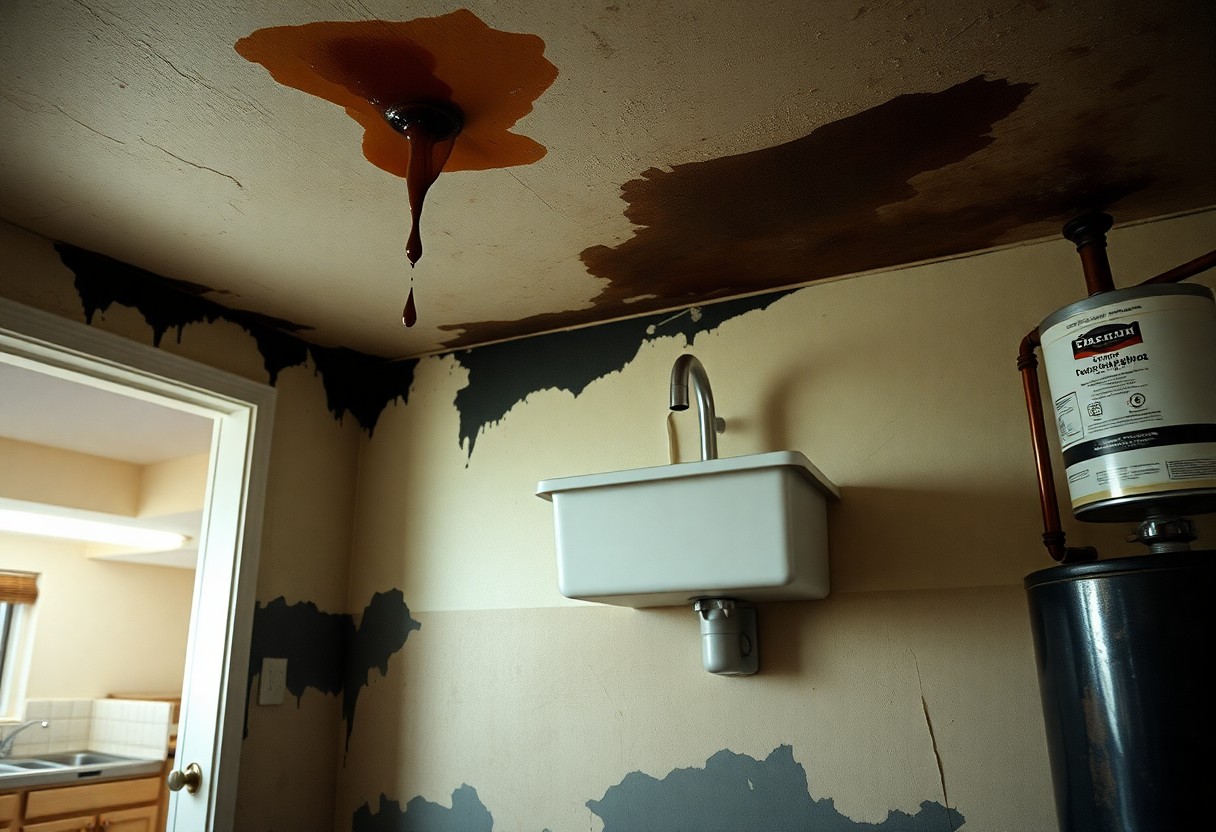
Over time, common issues like leaking pipes, roof failures, malfunctioning appliances, poor drainage, and high humidity can let water invade your home, causing structural deterioration, mold growth, and electrical hazards; understanding how these sources, including hidden slab leaks and clogged gutters, contribute to damage helps you prioritize inspections, timely repairs, and preventive measures to protect your property and health.
Common Causes of Water Damage
While aging pipes, roof failures, appliance malfunctions, poor drainage, foundation cracks, and high indoor humidity are typical sources, you should know how each one lets water enter and degrade your finishes, structure, and indoor air quality if left unchecked.
Plumbing Issues
Between corroded pipes, loose fittings, frozen or burst lines, and hidden slow leaks in walls or under floors, your plumbing can cause sudden floods or long-term seepage that stains materials, promotes mold, and weakens structural elements unless you repair leaks promptly.
Roof Leaks
Between damaged shingles, failing flashing, clogged gutters, and storm damage, water can penetrate your roof deck and attic, soaking insulation, staining ceilings, and compromising framing if you don’t address compromised roofing components quickly.
Consequently, when roof leaks occur you should inspect for dark ceiling spots, peeling paint, damp insulation, musty odors, and attic daylight; prolonged exposure will rot framing, fuel mold growth, raise energy costs, and often requires temporary tarping and a professional roofer to fully resolve the problem.
Natural Disasters
Clearly natural disasters like hurricanes, floods and severe storms can overwhelm defenses and force water into your home, causing structural damage, mold growth, and ruined belongings; you must assess risk zones, elevate utilities where possible, and plan for rapid response to minimize long-term damage.
Flooding
Before floodwaters arrive, you should identify low-lying areas, seal basement openings, and move valuables to higher ground; river overflow, dam failure, and storm surge can push large volumes of water into your property, so prepare evacuation routes and protect utilities to reduce damage.
Heavy Rainfall
To prevent interior water intrusion during heavy rainfall, you need to maintain gutters and downspouts, ensure proper grading away from your foundation, and check window and door seals so runoff does not seep into crawlspaces or basements.
Plus, prolonged intense storms can overwhelm drainage systems and saturate soil around your foundation, increasing hydrostatic pressure that forces water through cracks; you should inspect perimeter drainage, consider sump pumps, and address landscape issues to reduce seepage risk.
Household Appliances
You face water damage risks from dishwashers, refrigerators with ice makers, washing machines, water heaters, and HVAC units when seals, hoses, valves, or drains fail; regular inspection of connections, prompt replacement of aging parts, and installing drain pans and water alarms reduce the chance that a single appliance failure floods your home.
Water Heater Failures
Across homes, tank corrosion, sediment buildup, a failed pressure relief valve, or loose fittings can cause sudden leaks or slow seepage that damages floors and basements; you should flush the tank periodically, check the anode rod, ensure proper pressure settings, and fit a drain pan with a routed drain to protect your space.
Washing Machine Leaks
Below the obvious overflows, worn supply hoses, loose clamps, door seals, pump failures, or a misaligned drain hose can let water escape during cycles; you should use braided steel hoses, inspect connections often, level the machine, and avoid overloading to minimize leak risk.
Due to aging rubber, kinks, or improper installation, supply hoses can burst and drain hoses can slip, causing rapid flooding; you should shut off water immediately if you detect leaks, replace hoses every few years, keep the area clear for inspection, and install a pan and sensor to alert you before damage escalates.
Poor Home Maintenance
After small repairs are delayed, you increase the chance of water intrusion; neglected seals, loose flashing, and aging roofing let rain seep into attics, walls, and ceilings, causing rot, mold, and expensive structural damage if you don’t act promptly.
Gutter Blockages
Any clogged gutter or downspout causes water to overflow and pool near your foundation or back up under roofing, so you should clear debris, check pitch and attachments, and ensure runoff is directed away from your home.
Foundation Cracks
With small foundation cracks, you may see damp basements, uneven floors, or pest entry; inspecting and sealing hairline gaps, improving drainage, and monitoring movement helps you prevent leaks and escalating structural problems.
Indeed, foundation cracks often stem from soil settlement, hydrostatic pressure, freeze-thaw cycles, or nearby tree roots; you should watch for widening gaps, water stains, stuck doors, and sloping floors, divert surface water, correct grading, and consult a structural engineer or licensed foundation contractor if cracks grow, leak, or compromise your home’s stability.
Climate and Environmental Factors
Unlike milder regions, changing weather and local conditions push water into your home through soil saturation, erosion, and overwhelmed drainage systems.
- Heavy or prolonged rainfall
- Floodplains and poor site drainage
- High groundwater and rising water tables
- Mature tree roots and nearby vegetation
Thou should monitor grading, clear gutters, and install barriers to keep water away from your home.
Humidity Levels
To reduce indoor moisture issues you should monitor humidity and use ventilation or dehumidification; sustained high humidity promotes mold, rot, and condensation on pipes and windows, while wide swings strain materials and open gaps that let water in.
Seasonal Changes
By season you encounter different threats: spring thaws and rains increase seepage, summer storms cause sudden runoff, fall debris clogs drains, and winter freeze-thaw cycles crack roofing and burst pipes, all affecting your home’s water defenses.
Indeed you should inspect and maintain gutters, downspouts, seals, and insulation before and after seasonal transitions so you limit leaks, prevent ice damming, and ensure grading and drainage protect your foundation year-round.
Signs of Water Damage
To detect water damage in your home, inspect for discolored or sagging ceilings, peeling paint, swollen baseboards, persistent damp spots, increased indoor humidity, and recurring leaks from appliances or pipes; catching these signs early helps you limit repair costs and protect your health and property.
Visual Indicators
With visual indicators you should look for brown or yellow stains, bubbling or flaking paint, warped or buckled flooring, rusted fixtures, peeling wallpaper, and salt-like deposits on masonry; spotting these cues helps you locate leaks, assess severity, and prioritize repairs before hidden deterioration occurs.
Smell and Mold Growth
About smell and mold growth: if you notice a musty, earthy odor or experience unexplained allergy symptoms, you likely have hidden moisture feeding mold; you should investigate vents, crawlspaces, behind drywall, and under carpets since mold often spreads before visible signs appear.
Damage from mold can cause respiratory irritation, worsen asthma, and weaken building materials; you should dry wet areas within 24-48 hours, repair leaks, lower indoor humidity, clean small growth safely, and hire professionals for extensive infestations to ensure thorough remediation.
Conclusion
So you should be aware that water damage inside homes typically stems from leaking roofs, burst pipes, appliance failures, clogged drains, and poor drainage around foundations; acting promptly to detect leaks, maintain plumbing, and control humidity helps you prevent structural decay, mold growth, and costly repairs, and regular inspections let you address small issues before they escalate.