
How HVAC Systems Work in Residential Homes
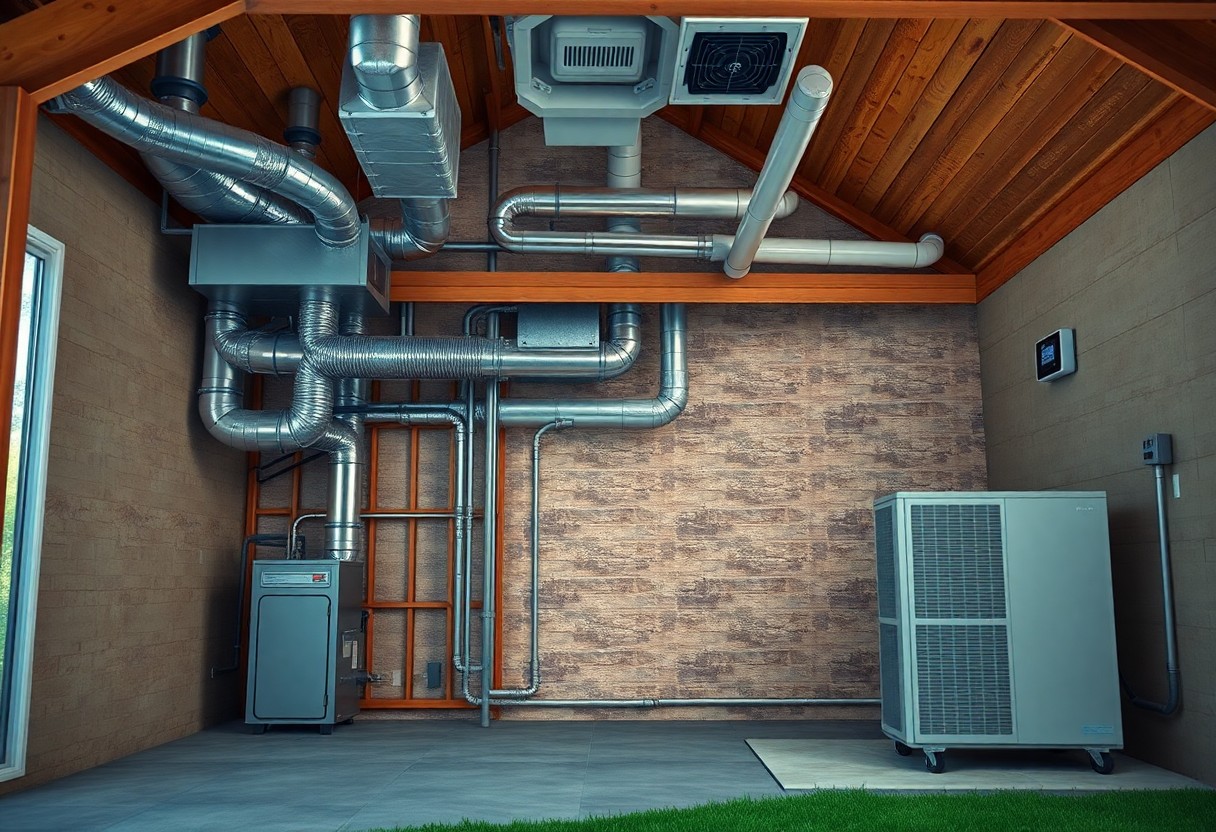
Many homeowners rely on HVAC systems to maintain comfort; understanding the components and airflow lets you diagnose issues, improve efficiency, and extend system life. Your furnace or heat pump conditions air, the evaporator and condenser transfer heat, and ductwork distributes conditioned air while filters and thermostats regulate quality and temperature. Knowing these functions empowers you to make informed maintenance and upgrade decisions.
Most residential HVAC systems combine heating, cooling, ventilation, and filtration so you can control temperature, humidity, and air quality; understanding how the furnace or heat pump, condenser, evaporator, ducts, thermostat, and filters interact lets you optimize performance, troubleshoot issues, and plan maintenance to extend equipment life and lower energy costs.
Overview of HVAC Systems
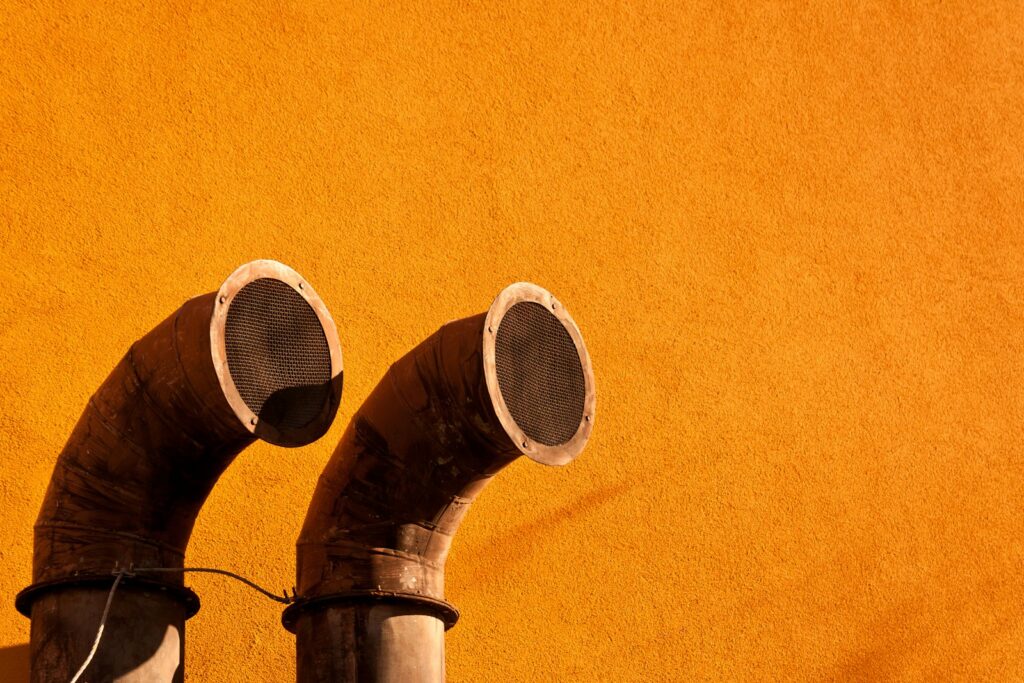
Before you decide on upgrades or repairs, understand that your HVAC system manages heating, ventilation, and air conditioning to maintain comfort, control humidity, and improve indoor air quality by coordinating furnaces, heat pumps, ducts, fans, and controls throughout your home.
Components of HVAC Systems
Behind your thermostat the main components include the heating unit (furnace or heat pump), cooling unit (air conditioner or heat pump), blower and ductwork for distribution, filters and vents for air quality, and controls that regulate temperature and timing for efficient operation.
Types of HVAC Systems
An HVAC system generally falls into central (split), packaged, ductless mini-split, heat pump, or hybrid configurations, and you should compare installation footprint, duct needs, and seasonal performance. Recognizing which type aligns with your home’s layout and local climate will simplify your selection.
- Central (split) – uses ducts; common for whole-house climate control.
- Packaged – compact, outdoor unit for smaller properties.
- Ductless (mini-split) – zoned control without ducts.
- Heat pump – efficient for heating and cooling in moderate climates.
- Hybrid – combines furnace and heat pump for flexibility.
| Central (split) | Uses separate indoor and outdoor units with duct distribution |
| Packaged | All-in-one outdoor unit often used where indoor space is limited |
| Ductless (mini-split) | Indoor heads serve zones without ductwork |
| Heat pump | Reversible system for heating and cooling with high efficiency |
| Hybrid | Combines electric heat pump with gas furnace for efficiency and backup |
To evaluate systems you should consider SEER and HSPF ratings, required ductwork or zoning, upfront installation, and long-term operating costs to match your comfort goals. Recognizing how efficiency, maintenance, and space constraints affect your total cost of ownership will help you choose wisely.
- Check efficiency ratings (SEER, AFUE, HSPF) for operating cost estimates.
- Assess whether your home can accommodate ducts or favors ductless solutions.
- Consider zoning for personalized comfort and reduced waste.
- Factor installation complexity and local climate into your decision.
- Plan for maintenance needs to preserve performance and warranty coverage.
| Efficiency metrics | SEER, AFUE, HSPF indicate seasonal performance and costs |
| Installation impact | Ductwork, roof/equipment access, and space affect feasibility |
| Zoning options | Allows targeted comfort and energy savings per area |
| Climate fit | Heat pumps excel in moderate climates; hybrids suit cold regions |
| Maintenance | Filter changes, inspections, and timely repairs preserve efficiency |
Overview of HVAC Systems
While your home’s HVAC system controls heating, cooling, ventilation and humidity to maintain comfort and indoor air quality, it also impacts your energy bills and equipment lifespan. You use thermostats and controls to set conditions while ducts, filters and fans distribute treated air; proper sizing, installation and regular service help you get reliable, efficient performance.
Components of HVAC Systems
HVAC systems include compressors, condensers, evaporator coils, air handlers, ductwork, thermostats and filters that you rely on to move heat and condition air. Each part performs a defined function-compressors circulate refrigerant, coils exchange heat, fans distribute air and filters trap particles-so you can troubleshoot issues and plan preventive care.
Types of HVAC Systems
HVAC options let you match performance to your home’s size, climate and budget. Components, installation and maintenance differ by type. The choices influence energy use and long-term costs.
- Central split systems – common for whole-house heating and cooling
- Packaged units – compact, rooftop or ground-mounted solutions
- Ductless mini-splits – zoned control without ductwork
- Heat pumps – efficient heating and cooling in moderate climates
- Hybrid/dual-fuel systems – combine heat pump and furnace for efficiency
| Central split | Best for homes with existing ducts and whole-house control |
| Packaged unit | Suited to small lots or rooftop installations |
| Ductless mini-split | Ideal for additions, retrofits or zoned comfort |
| Heat pump | Efficient in mild climates for both heating and cooling |
| Hybrid/dual-fuel | Useful where seasonal fuel switching improves efficiency |
Plus you should weigh installation complexity, seasonal efficiency ratings and local service availability when selecting a system, because those factors affect both comfort and lifecycle cost. Assess incentives, warranty terms and expected maintenance needs before you decide. The right match lowers your bills and extends equipment life.
- Installation complexity – impacts upfront cost and timeline
- Efficiency ratings – SEER, HSPF and AFUE influence operating cost
- Sizing and load calculations – ensure comfort without wasted energy
- Serviceability – local technician experience affects longevity
- Incentives and rebates – can improve payback on upgrades
| Installation | Check contractor experience and structural access |
| Efficiency | Compare SEER/HSPF/AFUE for seasonal cost estimates |
| Sizing | Use Manual J/Manual S calculations for proper capacity |
| Maintenance | Plan filter changes, coil cleaning and annual tune-ups |
| Incentives | Search local rebates and federal tax credits |
Heating Mechanisms
You rely on several home heating mechanisms-combustion furnaces, heat pumps, boilers, and radiant systems-that either generate or move heat and deliver it via ducts, pipes, or warm surfaces; thermostats and controls manage cycles to meet your comfort targets. Understanding each system’s efficiency and distribution method helps you assess operating cost, performance, and maintenance needs.
Furnaces and Heat Pumps
One common option you may have is a furnace that burns gas or oil and forces heated air through ducts with a blower, offering straightforward, rapid heat; modern units provide high AFUE efficiency. Heat pumps move heat using refrigerant and reversing valves to both heat and cool, often lowering your energy use compared with electric resistance heating.
Radiant Heating
Around your floors and walls, radiant systems warm surfaces that then radiate heat to people and objects, delivering quiet, draft-free comfort; you often feel warmer at lower air temperatures. Hydronic tubing is typical for whole-home installations while electric mats suit smaller zones or retrofits, both improving perceived comfort efficiently.
Hence hydronic radiant uses hot water circulated through tubing under floors or in panels, providing even, high thermal-mass heat with excellent zoning you can control via thermostats and manifolds; you typically pair it with a boiler or heat-pump source. Electric radiant employs resistance cables or mats for faster response in targeted areas, so you should weigh installation complexity, upfront cost, and long-term operating savings when choosing.
Heating Systems
There’s a variety of heating systems in homes-forced-air furnaces, boilers, and heat pumps-that move heat from a source to living spaces; you control comfort with a thermostat, and systems differ by fuel (gas, oil, electricity), distribution method, and efficiency, so you match system type and sizing to your home’s layout and insulation for effective, economical heating.
Boilers
Below the surface, a boiler heats water and circulates it through radiators or in-floor tubing, giving you steady, even warmth; you can select condensing high-efficiency models or conventional boilers based on fuel availability, installation complexity, and your long-term energy goals.
Furnaces
For many homes, a furnace burns gas or uses electric elements to heat air that a blower sends through ducts, providing quick temperature changes and central distribution; you maintain performance by changing filters and scheduling annual inspections to keep combustion and ventilation safe and efficient.
The efficiency of your furnace is expressed as AFUE-higher percentages mean less fuel used per unit of heat-while features like modulating burners and variable-speed blowers enhance comfort and reduce costs, so you should weigh duct condition, thermostat compatibility, and local fuel prices when choosing a replacement.
Cooling Mechanisms
Some cooling mechanisms in homes move heat from inside to outside using refrigeration, airflow, and evaporation; you control comfort by regulating temperature, humidity, and circulation. Refrigerant cycles, fans and ducts, zone controls, and passive shading work together so your system removes heat and moisture efficiently, preserving indoor comfort while minimizing energy use.
Air Conditioners
With air conditioners you rely on a closed refrigerant loop: the compressor raises pressure and temperature, the condenser releases heat outdoors, the expansion valve drops pressure, and the evaporator absorbs indoor heat; fans move conditioned air through ducts and filters, so your home stays cool and dehumidified while the system cycles to match your thermostat settings.
Evaporative Coolers
Between evaporative coolers and refrigeration systems, evaporative models lower air temperature by passing warm air over wet pads so water absorbs heat and evaporates; you benefit most in dry climates, gaining energy-efficient cooling and some added humidity, but the approach performs poorly where ambient humidity is already high.
Mechanisms of evaporative coolers rely on porous pads, a water-distribution pump, and a fan that pulls air through wet media; you must size the unit for airflow, maintain pad cleanliness and water quality to prevent odors and mineral buildup, and winterize the system in cold climates. Proper installation and ventilation ensure the cooler lowers temperature effectively without making your home uncomfortably humid.
Ventilation
The ventilation system exchanges indoor and outdoor air to control humidity, dilute pollutants, and bring fresh air into your home, using natural openings or mechanical fans and ducts so your heaters and coolers run more efficiently and your indoor air quality improves for you and your household.
Importance of Ventilation
Alongside your heating and cooling, ventilation removes excess moisture, fumes and airborne particles so you breathe cleaner air, reduces mold growth risk, balances humidity for comfort, and lowers strain on HVAC equipment to help extend its service life for your benefit.
Types of Ventilation Systems
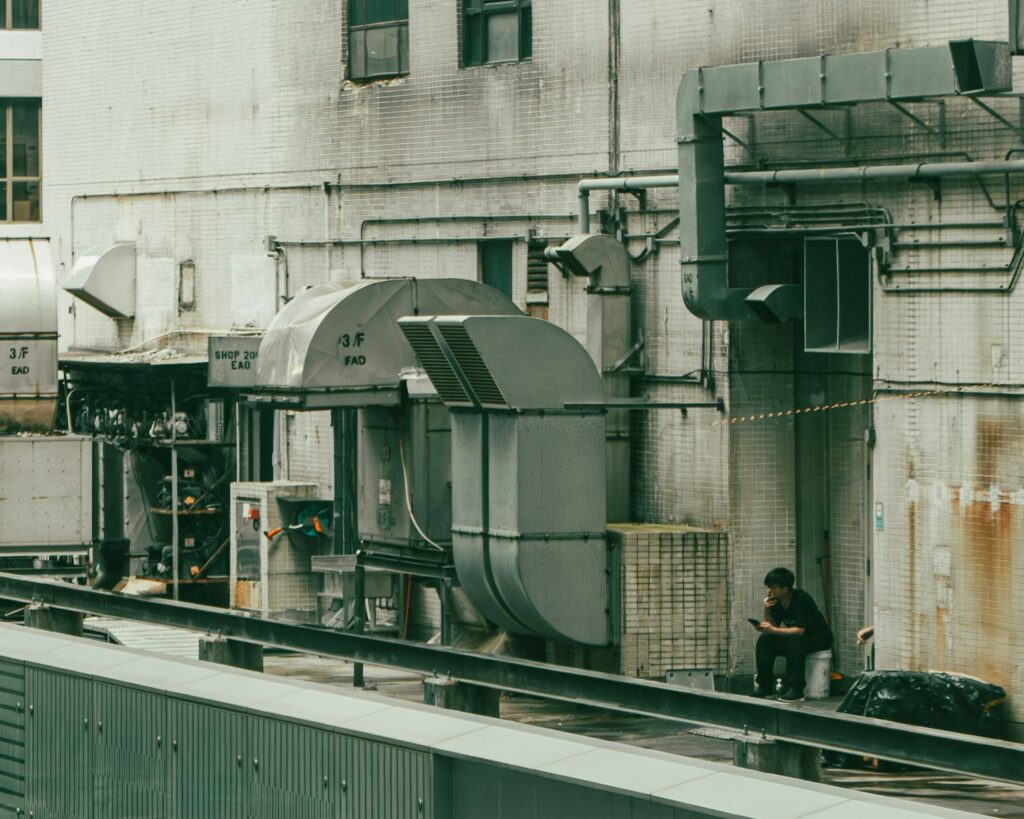
With several approaches available, you can choose natural ventilation, exhaust-only, supply-only, balanced mechanical ventilation, or heat-recovery systems (HRV/ERV) depending on your home’s airtightness and climate; Any choice should match your home’s size and local conditions.
- Natural – relies on windows, vents and pressure differences you control
- Exhaust-only – uses fans to expel indoor air, drawing in outdoor air through leaks or vents
- Supply-only – forces outdoor air in, often filtered, increasing positive pressure
- Balanced mechanical – supplies and exhausts equal volumes for controlled exchange
- HRV/ERV – exchanges heat (and sometimes moisture) between outgoing and incoming air
| Natural | Uses openings and buoyancy; suitable if you can manage airflow |
| Exhaust-only | Expels indoor air with fans; simple and lower cost |
| Supply-only | Introduces filtered outdoor air to pressurize the home |
| Balanced mechanical | Controls intake and exhaust for stable indoor air quality |
| HRV/ERV | Recovers heat or energy from exhaust to improve efficiency |
For instance, when you evaluate systems, consider climate, house tightness, and how much maintenance you will do so the system meets your comfort and efficiency goals; Any practical choice balances performance, cost, and upkeep for your household.
- Climate – colder areas often favor heat recovery, humid areas may need moisture control
- Airtightness – tighter homes usually require mechanical balanced systems
- Budget – initial cost vs. long-term energy savings you expect
- Maintenance – filters and fans need regular attention you must plan for
- Occupancy – more occupants increase ventilation needs you should address
| Climate | Cold – HRV; hot/humid – ERV or dehumidification |
| Airtightness | Tight homes – choose mechanical balanced systems |
| Budget | Lower cost – exhaust or supply; higher investment – HRV/ERV |
| Maintenance | Frequent upkeep – simple fans; low maintenance – sealed systems |
| Occupancy | High occupancy – increase ventilation rate and filtration |
Air Conditioning Systems
Keep your home comfortable by understanding how air conditioning systems move heat out, circulate cooled air, and control humidity; you rely on a closed-loop refrigerant cycle, a compressor, condenser and evaporator, plus fans and controls, to lower indoor temperature efficiently while maintaining airflow and managing energy use.
Central Air Conditioning
Around your home, central air uses ducts and a single outdoor unit to cool multiple rooms; you set a thermostat, the compressor circulates refrigerant, and conditioned air is distributed through ductwork to registers, providing even temperatures but requiring duct maintenance and proper system sizing for best efficiency.
Ductless Mini-Split Systems
Conditioning with ductless mini-splits relies on wall-mounted indoor units linked to an outdoor compressor, so you can cool or heat individual zones; you gain precise temperature control, higher efficiency, and flexible placement without ductwork, ideal for additions or rooms off the main system.
Ductless mini-splits let you control each room independently, so you save energy by conditioning only occupied spaces; installation is less invasive, and keeping filters clean along with periodic professional refrigerant and performance checks will preserve efficiency and extend system life.
Ventilation Strategies
All homes require planned air exchange to control humidity, pollutants, and comfort; you balance natural and mechanical methods-window placement, vents, and controlled fans-while managing airflow paths and filtration to protect your indoor air quality and energy efficiency.
Natural Ventilation
Strategies rely on window, door, and vent placement to harness wind and buoyancy; you stagger openings, use cross-ventilation, and exploit the stack effect with high and low vents to move air without fans, reducing energy use while watching outdoor pollutant and weather conditions that affect your indoor environment.
Mechanical Ventilation
Alongside natural methods, mechanical ventilation uses fans, HRVs, ERVs, and ductwork to deliver controlled fresh air; you can select systems that recover heat and moisture to maintain your comfort, filter particulates, and balance pressure for predictable indoor conditions.
In addition, mechanical systems require proper sizing, regular filter changes, and periodic duct or heat-exchanger cleaning; you should verify airflow rates in CFM, choose energy-efficient fans, and consider demand-controlled ventilation tied to occupancy or CO2 sensors to optimize your indoor air quality and operating costs.
Thermostats and Controls
Your thermostat regulates temperature by communicating with your furnace, heat pump, or air conditioner, cycling equipment on and off to meet setpoints while using inputs from sensors and timers to maintain comfort and efficiency; modern control systems also integrate zoning, humidity, and safety shutoffs so you can fine-tune performance and energy use.
Smart Thermostats
Before you manually override, smart thermostats learn your patterns, adjust schedules automatically, and allow remote control via apps; they use occupancy sensing, geofencing, and weather data to optimize comfort and lower energy costs while providing diagnostics so you can see system performance and alerts.
Manual Controls
With manual controls you directly set temperature and program basic schedules using dials or simple digital interfaces; this gives straightforward operation and predictable behavior, though it lacks adaptive learning and remote access, so you rely on your adjustments to balance comfort against energy use.
Indeed manual controls are reliable and simple to troubleshoot, making them ideal if you prefer hands-on management; you should maintain regular calibration and check batteries, filters, and wiring so your inputs translate into consistent operation and avoid unnecessary cycling or wear.
Thermostat Functionality
Many thermostats sense your indoor temperature, compare it to your setpoint, and activate heating or cooling, control fan operation, and follow schedules or overrides so you maintain comfort and manage energy use.
Types of Thermostats
One common classification includes mechanical, basic digital, programmable, smart, and zoning thermostats; Knowing which fits your home and habits helps you choose features that improve comfort and efficiency.
- Mechanical (dial)
- Digital (basic)
- Programmable (schedule-based)
- Smart (Wi‑Fi, learning)
- Zoning (multi‑zone control)
| Mechanical | Simple, manual control with no programming or remote access. |
| Digital | Displays temperature electronically; more accurate than mechanical. |
| Programmable | Lets you set schedules to match your daily routine. |
| Smart | Connects to Wi‑Fi, offers remote control, learning, and energy reports. |
| Zoning | Controls temperature separately in multiple areas for targeted comfort. |
Smart Thermostats
For smart thermostats, you gain remote control via apps, adaptive scheduling that learns your patterns, and the ability to use sensors or geofencing so your system runs only when needed.
Due to integrations with voice assistants, home automation platforms, and OTA updates, you can expand features over time, but you should secure your network and review privacy settings for your device and account.
Maintenance and Troubleshooting
Unlike ad‑hoc fixes, proactive maintenance and methodical troubleshooting let you spot developing problems early and keep your HVAC running efficiently; you should monitor filter condition, airflow, thermostat behavior, and unusual sounds or smells, perform seasonal inspections, and contact a licensed technician for electrical, refrigerant, or complex airflow issues to protect comfort and system life.
Routine Maintenance Tips
Maintenance keeps your system reliable and efficient; follow a simple schedule to reduce failures:
- Change or clean filters monthly and inspect for tears or clogging.
- Keep outdoor units clear of leaves, plants, and debris; maintain 2-3 feet clearance.
- Check thermostat batteries and settings; test system response after service.
After each maintenance task, log the date and any notes so you can track trends and provide clear information to technicians.
Common Issues and Solutions
To troubleshoot common issues, start by noting symptoms: weak airflow often means a clogged filter or blower issue; uneven heating or cooling may indicate duct leaks or zoning problems; short cycling can point to thermostat or refrigerant faults, and strange noises or smells require immediate shutdown and professional inspection to avoid hazards.
Tips you can try include verifying power and breaker status, swapping in a clean filter to rule out airflow restriction, checking thermostat placement and settings, inspecting visible duct joints for gaps, and documenting any error codes or patterns-if repairs involve refrigerant, gas, or complex electrical work, hire a qualified technician for safe, code‑compliant service.
Energy Efficiency Considerations
Not all upgrades deliver the same returns; you should evaluate insulation, duct sealing, correct system sizing, and controls so your HVAC runs efficiently, reduces bills, and sustains comfort while minimizing wear and energy waste.
SEER and AFUE Ratings
Considerations: you can compare SEER for air conditioners and AFUE for furnaces to judge seasonal performance, pick higher ratings to cut consumption, and weigh purchase price against projected lifetime savings for your home.
Tips for Energy Savings
SEER systems perform best when matched to proper installation and maintenance; you should optimize thermostat schedules and airflow.
- Set programmable thermostats to avoid unnecessary heating or cooling.
- Seal ducts and add insulation to reduce losses.
- Replace filters and schedule annual maintenance.
Any small changes compound into significant annual savings when you are consistent.
And you should consider zoning, ceiling fans, and heat pump alternatives to further cut energy use.
- Install zone controls to heat or cool occupied areas only.
- Use ceiling fans to raise thermostat setpoints comfortably.
- Evaluate heat pumps for both heating and cooling in mild climates.
Any upgrade or habit change you commit to will lower operating costs and increase system longevity.
Conclusion
The HVAC system in your home regulates temperature and air quality by coordinating thermostats, heating elements or heat pumps, and air conditioners. Refrigerant cycles and compressors move heat outside while blowers push conditioned air through ducts to rooms you occupy. Filters and ventilation control particulates and humidity, and simple maintenance you perform-filter changes and seasonal inspections-keeps your system efficient and extends its lifespan.
To wrap up
The HVAC system in your home circulates conditioned air through ductwork, using a furnace or heat pump for heating and an air conditioner for cooling; you set comfort via the thermostat, protect performance with filters and maintenance, and ensure efficiency through proper sizing, sealing, and insulation.