
Why Circuit Breakers Trip Frequently
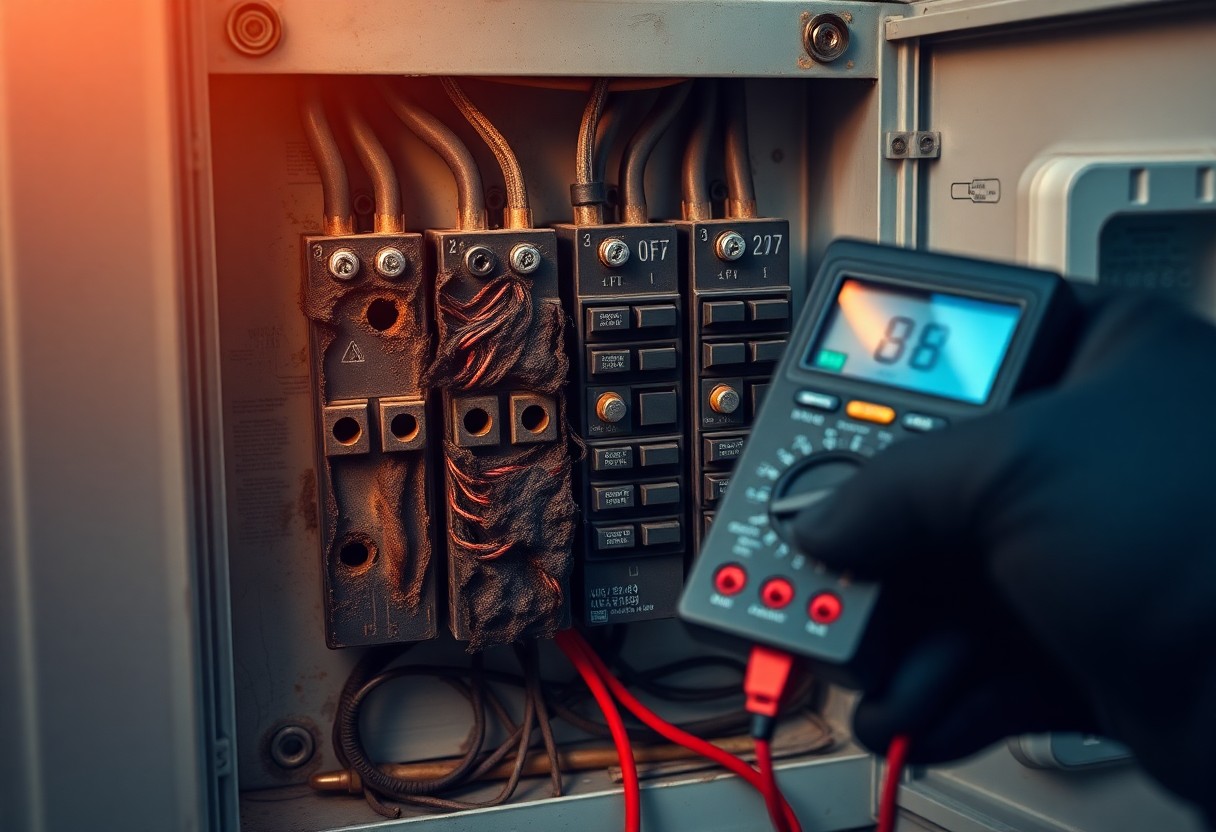
Overloaded circuits, faulty wiring, aging breakers, and ground or arc faults often cause frequent trips, and understanding these factors helps you diagnose and fix the problem; you should check appliance loads, inspect connections, and consult a licensed electrician to address wiring defects or replace failing breakers to restore reliable protection and prevent hazards.
Understanding Circuit Breakers
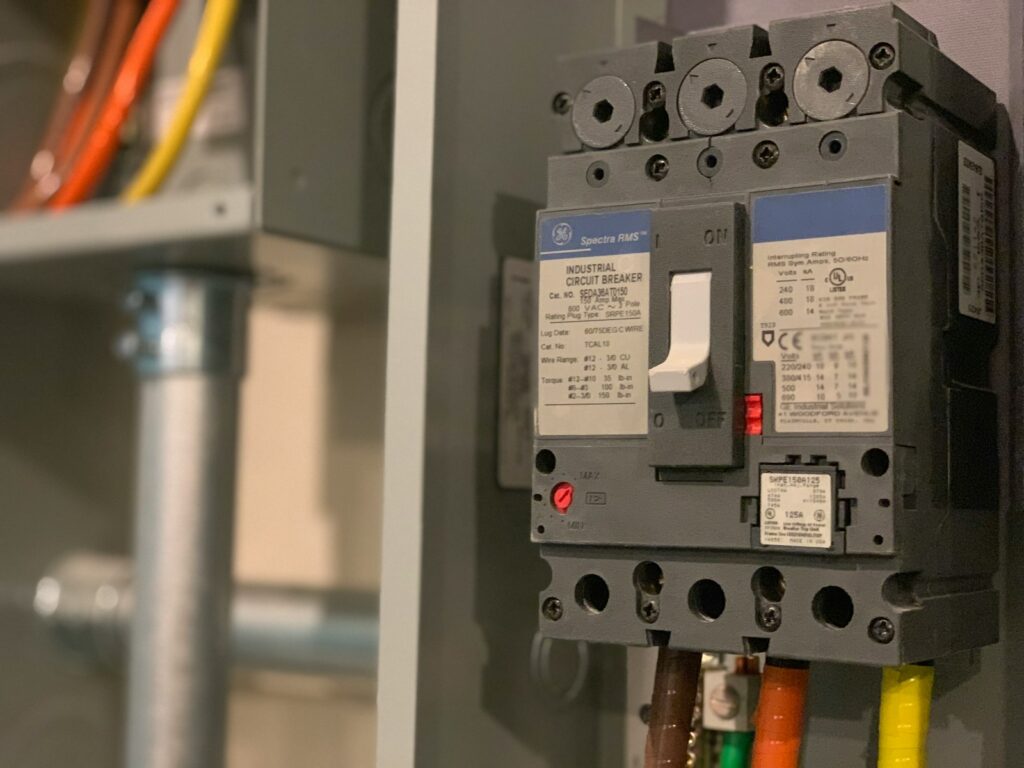
Before you diagnose frequent trips, understand that a circuit breaker is an automatic safety device that interrupts current when you exceed safe limits; it protects your wiring and appliances by detecting overloads, short circuits, and ground faults, and it resets after the fault clears so you can restore power safely.
Purpose and Function
Any breaker is designed to protect your home and equipment by stopping dangerous current flow; when you overload a circuit, a breaker senses excess heat or arc faults and trips, letting you find and fix overloaded circuits or faulty devices before damage occurs.
Types of Circuit Breakers
Any breaker type has trade-offs in sensitivity and application, so you need to match breakers to your circuits for safe, reliable operation.
- Molded-case breakers for general branch circuits.
- Ground-fault interrupters to protect against leakage paths.
- Arc-fault breakers to detect dangerous arcing.
- Miniature breakers used in many residential panels.
- Any you select must match ampacity, trip curve, and application.
| Above: Molded-case | General branch circuits |
| Thermal-magnetic | Residential and small commercial |
| Ground-fault | Wet areas and personal protection |
| Arc-fault | Protection against arcing fires |
| High-interrupting | Heavy industrial feeds |
Circuit breaker selection influences nuisance trips and system safety, so you should consider trip curves, inrush currents, and coordination to ensure your breakers protect equipment without tripping unnecessarily.
- Thermal-magnetic for common loads and simple protection.
- Hydraulic-magnetic for stability under temperature changes.
- Electronic breakers for adjustable, precise protection.
- High-interrupting-capacity units for large fault currents.
- Any choice must account for load type, inrush, and available fault current.
| Circuit: Thermal-magnetic | Typical residential use |
| Hydraulic-magnetic | Industrial stability |
| Electronic | Adjustable, sensitive protection |
| Ground-fault | Personnel and leakage protection |
| Arc-fault | Fire-prevention in branch circuits |
Common Reasons for Tripping
It often happens when circuits are overloaded, when a short circuit creates an immediate surge, or when a ground fault allows current to leak; you should use these sections to identify which issue matches your symptoms and take appropriate action to protect your wiring and devices.
Overloading the Circuit
After you plug multiple high-draw appliances into one circuit or run space heaters and air conditioners simultaneously, the breaker trips to prevent overheating; you can reduce trips by redistributing loads, staggering usage, or upgrading circuit capacity to match your demand.
Short Circuits
About short circuits, when a hot conductor contacts neutral or another hot, current spikes and the breaker trips instantly to protect wiring; you should check for damaged insulation, loose connections, or faulty devices on the affected branch.
Consequently, because short circuits produce very high currents, you must shut off power before inspecting, use a multimeter only if you’re trained, and contact a licensed electrician if you cannot safely locate or repair the fault.
Ground Faults
Across ground faults, current takes an unintended path to earth through wet insulation, plumbing, or a person, and GFCIs or breakers trip to protect you; inspect damp areas, damaged cords, and appliance seals to reduce recurrence.
In fact, wet environments and worn appliance cords are common sources of ground faults, so you should test GFCIs regularly, replace compromised equipment, and seek professional help if shocks or persistent trips continue.
Environmental Factors
Not all trips come from wiring faults; environmental factors strain breakers:
- You face higher thermal trips at elevated temperatures
- Your breakers corrode or leak current in high humidity
- Dust and debris can obstruct mechanisms and raise heat
Knowing how you control ambient conditions reduces nuisance trips and extends breaker life.
Temperature Effects
After you assess temperature influence, Temperature vs Effect
| Condition | Effect on Breakers |
|---|---|
| High temperature | Increases thermal trip sensitivity and accelerates aging |
| Low temperature | Stiffens mechanisms and may hinder proper trip/reset |
Humidity and Moisture
At high humidity you risk insulation leakage and contact corrosion that cause nuisance trips and unsafe operation, so you should control moisture where breakers are installed.
But when condensation forms inside panels, you should dry and inspect your equipment promptly because trapped water creates conductive paths and accelerates corrosion that will force breakers to trip or fail.
Equipment Malfunction
After you notice frequent trips, inspect connected devices and the breaker itself for heat, discoloration, or burning smell; failing motors, compromised capacitors, or damaged appliances often draw abnormal currents that force the breaker to open, indicating equipment repair or replacement is needed to restore safe operation.
Aging Circuit Breakers
After years of service your breaker components wear: contacts pit, springs weaken, and trip mechanisms become overly sensitive or unreliable; if you experience nuisance trips or visible damage, have a qualified electrician test and replace aging breakers to keep your system safe.
Faulty Wiring
Against your expectations, wiring faults – loose neutrals, frayed insulation, or improper splices – can create intermittent shorts and ground faults that make breakers trip often; addressing wiring issues promptly prevents damage and reduces unpredictable outages.
Faulty wiring often shows signs you can spot: flickering lights, a burning smell, warm outlets, arcing sounds, or breakers that trip when specific circuits run; if you see these, turn off affected circuits and contact a licensed electrician to inspect and correct the faults safely.
Preventive Measures
Once again, take proactive steps to reduce frequent trips by balancing loads, upgrading undersized breakers, installing AFCI/GFCI protection where applicable, and scheduling periodic inspections so you maintain a stable, safe electrical system.
Proper Load Management
With deliberate load management you avoid overloads: label circuits, stagger high-wattage appliance use, distribute loads across phases, and add dedicated circuits or capacity upgrades when you consistently approach breaker limits.
Regular Maintenance
An ongoing maintenance routine helps prevent nuisance trips: you should clean panels, tighten connections, test breaker operation, and replace aged or damaged breakers before failures escalate.
And when you perform maintenance, keep a service log, note recurring trip patterns, verify correct labeling, and engage a licensed electrician for thermal scans or repairs so you address underlying issues promptly.
When to Consult a Professional
For frequent trips, visible sparking, or repeated resets that you cannot resolve, hire a licensed electrician to inspect your circuits; they can identify overloads, grounding faults, or deteriorating wiring and prescribe safe, code-compliant repairs to protect you and your property.
Signs of Electrical Issues
Around your home, persistent breaker trips, burning odors, warm or discolored outlets, flickering lights, or tingling shocks when you touch appliances are warning signs you should not ignore-shut off the affected circuit and contact a professional for assessment.
Importance of Expert Assessment
By having a certified electrician perform diagnostic testing, you get an accurate determination of underlying causes-load imbalances, degraded insulation, or hidden shorts-and clear recommendations for repairs, replacements, or upgrades that stop recurring trips.
Issues like intermittent faults, shared neutrals, or outdated panels often require specialized tools, documentation, and permits; when you engage an expert, they can prioritize safety fixes, provide a remediation plan, and help you plan costs to prevent future interruptions.
Final Words
As a reminder, you should treat frequent breaker trips as a sign that your electrical system needs attention: identify overloaded circuits, faulty appliances, or wiring issues, and address them promptly with proper load redistribution, replacement of defective devices, or professional inspection to ensure safety and prevent further damage to your home and equipment.