
Signs of Unsafe or Outdated Electrical Wiring
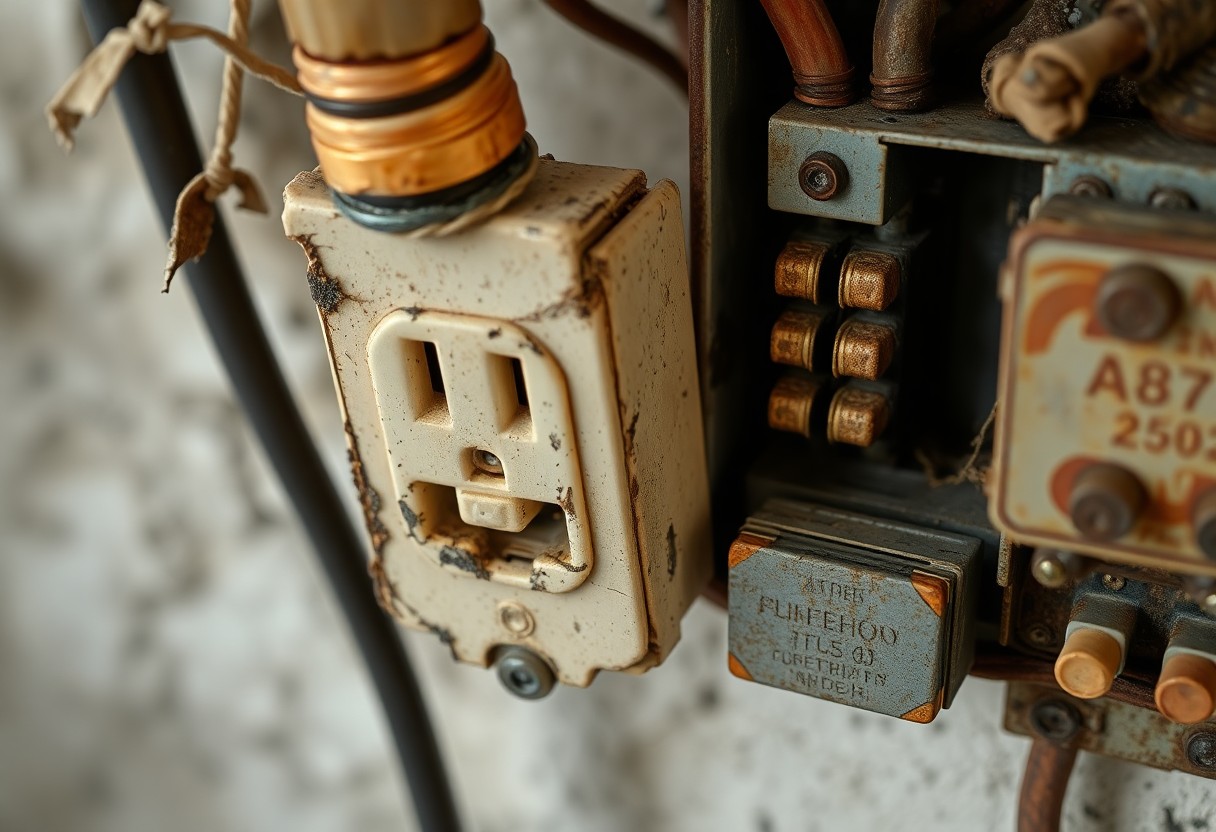
Many homeowners overlook warning signs of failing electrical systems, but identifying frayed insulation, frequent tripped breakers, flickering lights, discolored outlet covers, or a burning odor can help you avoid fires and shocks. If your home has cloth wiring, two-prong outlets, or warm outlets, schedule an inspection by a licensed electrician to protect your family and property.
Common Signs of Unsafe Wiring
For your safety, watch for scorched outlets, burning smells, discolored wall plates, buzzing sounds, or hot switches; these indicate overheating, damaged insulation, or loose connections that require immediate inspection by a licensed electrician.
Frequent Circuit Breaker Trips
Along with sudden power loss, frequent trips signal overloaded circuits, short circuits, or faulty breakers; you should note patterns-specific appliances, times, or locations-and have an electrician diagnose and correct the underlying wiring or load issues.
Flickering or Dimming Lights
Among the signs you shouldn’t ignore are lights that flicker or dim when appliances start or at random; this often points to loose wiring, poor connections, or voltage fluctuations that can damage devices and pose a fire risk, so have your wiring evaluated promptly.
Plus, if the flicker accompanies a burning smell, sparks, or a warm fixture, you should turn off power and call a licensed electrician; intermittent dimming can stem from loose neutral connections or overloaded circuits that create arcing and heat, increasing fire and equipment-failure risk.
Outdated Wiring Types
Any outdated wiring types pose safety risks you should spot common examples:
- Knob-and-tube
- Cloth-insulated
- Aluminum
| Knob & Tube | Open conductors |
| Cloth | Frayed insulation |
| Aluminum | Loose connections |
| Ungrounded | No ground wire |
| Fabric sheathed | Brittle over time |
Thou must hire a licensed electrician if you suspect unsafe wiring.
Knob and Tube Wiring
About knob-and-tube wiring you may find ceramic knobs and exposed conductors, no grounding, and deteriorated insulation; you should avoid modern loads on these circuits and have your electrician evaluate and document any hazards for safe repair or replacement.
Aluminum Wiring
Before assuming aluminum wiring is acceptable, know that it expands and oxidizes, loosens at terminations, and raises overheating and fire risk, so you should have your system inspected and discussed with a licensed electrician about safe options.
With proper mitigation you and your electrician can use approved connectors, apply antioxidant compounds, or replace circuits with copper; insurers and inspectors often require certified repairs to reduce risk and maintain coverage.
The Importance of Grounding
One important safety feature in your electrical system is grounding: it provides a controlled path to earth for fault current so you avoid shocks, helps protective devices trip properly, and reduces fire and equipment damage, so you should have your grounding checked if you suspect issues.
What is Grounding?
By connecting your electrical system and exposed metal parts to the earth with a grounding conductor and electrode, grounding diverts stray voltage away from you and your devices, stabilizes voltages during surges, and gives protective equipment a reference to clear faults safely.
Signs of Poor Grounding
At times you may experience frequent static shocks from appliances, tingling when touching metal fixtures, flickering lights, outlet discoloration, or a failed outlet tester-these are common signs that grounding is inadequate or compromised and needs attention.
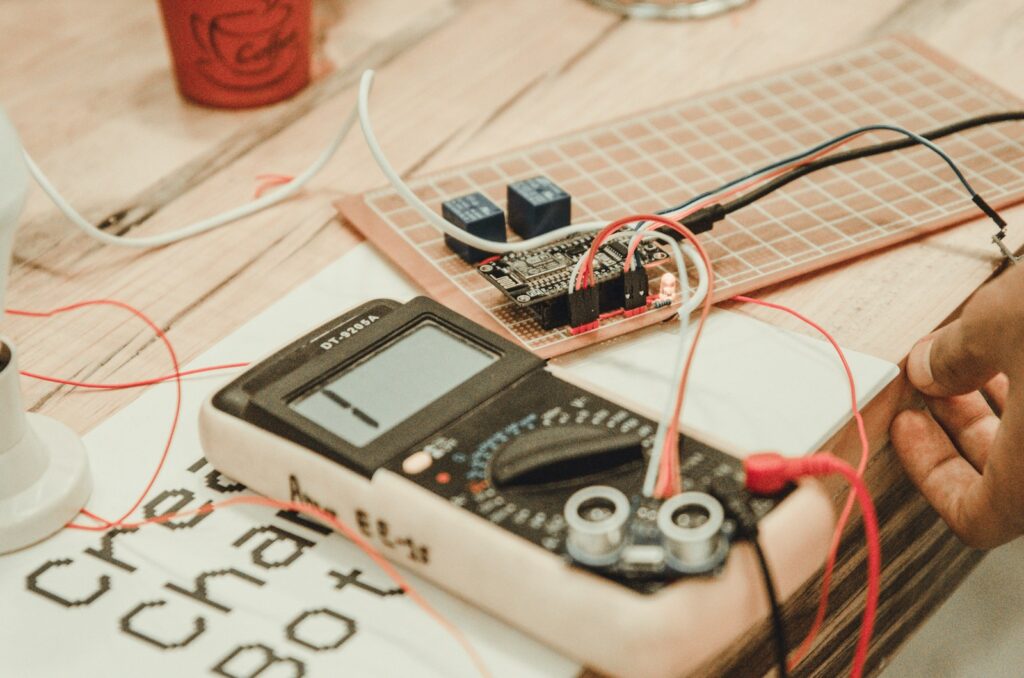
Plus you can use a plug-in tester or multimeter for a basic check, but visible clues like two‑prong outlets, missing bare/green ground wires, loose ground screws, or corroded grounding electrodes indicate aging or improper grounding-have a licensed electrician test and repair the system to protect you and your property.
Physical Evidence of Troubles
Your home’s wiring may show visible signs like frayed insulation, exposed conductors, loose knockouts, scorch marks on junction boxes, or frequent breaker trips; these physical indicators often signal urgent repair by a licensed electrician.
Discoloration and Burning Smells
To detect overheating, you should watch for yellowed or darkened outlets, charred covers, or a persistent burning smell; these signs indicate insulation breakdown or overloaded circuits that increase fire risk and require immediate inspection.
Broken or Damaged Outlets
One common sign you can spot is outlets that are cracked, loose, or no longer hold plugs securely, which can expose wiring and create shock hazards; do not use damaged outlets and have them replaced by a professional.
Understanding the risks, you should know that damaged outlets can cause arcing, intermittent power, or overheating behind walls, increasing fire and electrocution hazards; shut off power before inspecting and hire a licensed electrician to repair or replace worn outlets and associated wiring.
Electrical Overloads

Many signs of electrical overloads appear in your daily use: frequent breaker trips, dimming or flickering lights when appliances start, warm or discolored outlets, and reliance on multiple extension cords; these indicate your system may be handling more load than it was designed for and you should have a licensed electrician assess your panel and circuits.
Recognizing Overloaded Circuits
Around repetitive breaker trips, persistent outlet warmth, buzzing outlets, or appliances that underperform when others run, you should suspect overloaded circuits; noticing these patterns when you add new devices means your wiring or breakers may not be sized for your current demand.
Consequences of Overloading
At the extreme, overloading raises the risk of overheating and electrical fires, degrades wiring insulation, and can damage or shorten the lifespan of your appliances, creating both safety hazards and expensive repairs you will want to avoid.
Consequently, you may face progressive insulation failure, hidden hot spots behind walls, nuisance breaker trips, and higher repair costs; mitigate these risks by reducing simultaneous loads, installing dedicated circuits for high-draw appliances, and engaging an electrician to upgrade outdated panels and correct wiring faults.
Professional Inspection
Keep your wiring safe by scheduling inspections with a licensed electrician if you notice aging components, inconsistent performance, or after major renovations; they verify panel condition, grounding, and code compliance using tests like circuit tracing and thermal imaging so you get an objective assessment and a prioritized plan for repairs to protect your home and occupants.
When to Call an Electrician
Across sudden smells of burning, visible sparking, persistent breaker trips, tingling from switches, or after discovering knob‑and‑tube or aluminum wiring, you should call a professional immediately; you also need an electrician before adding large appliances or starting renovations to ensure your system can handle the load safely.
What to Expect from an Inspection
On arrival, your electrician will perform a visual panel and outlet check, test circuit integrity and grounding, use tools like multimeters and thermal cameras, verify GFCI/AFCI protection, and document deficiencies so you understand what must be fixed, why, and in what order to restore safe operation.
from the inspection you’ll receive a written report outlining hazards, recommended repairs, estimated costs, and code or permit issues; you should use this to prioritize work, obtain quotes, and confirm that corrective actions and permits were completed before relying on the system again.
To wrap up
On the whole you should take action if you notice flickering lights, frequent breaker trips, warm or discolored outlets, tingling shocks when you touch devices, a burning odor or buzzing sounds, exposed or knob‑and‑tube wiring, or persistent scorch marks – all common indicators that your electrical system is unsafe or outdated and needs prompt professional assessment and repair.