
Common Signs of Foundation Problems
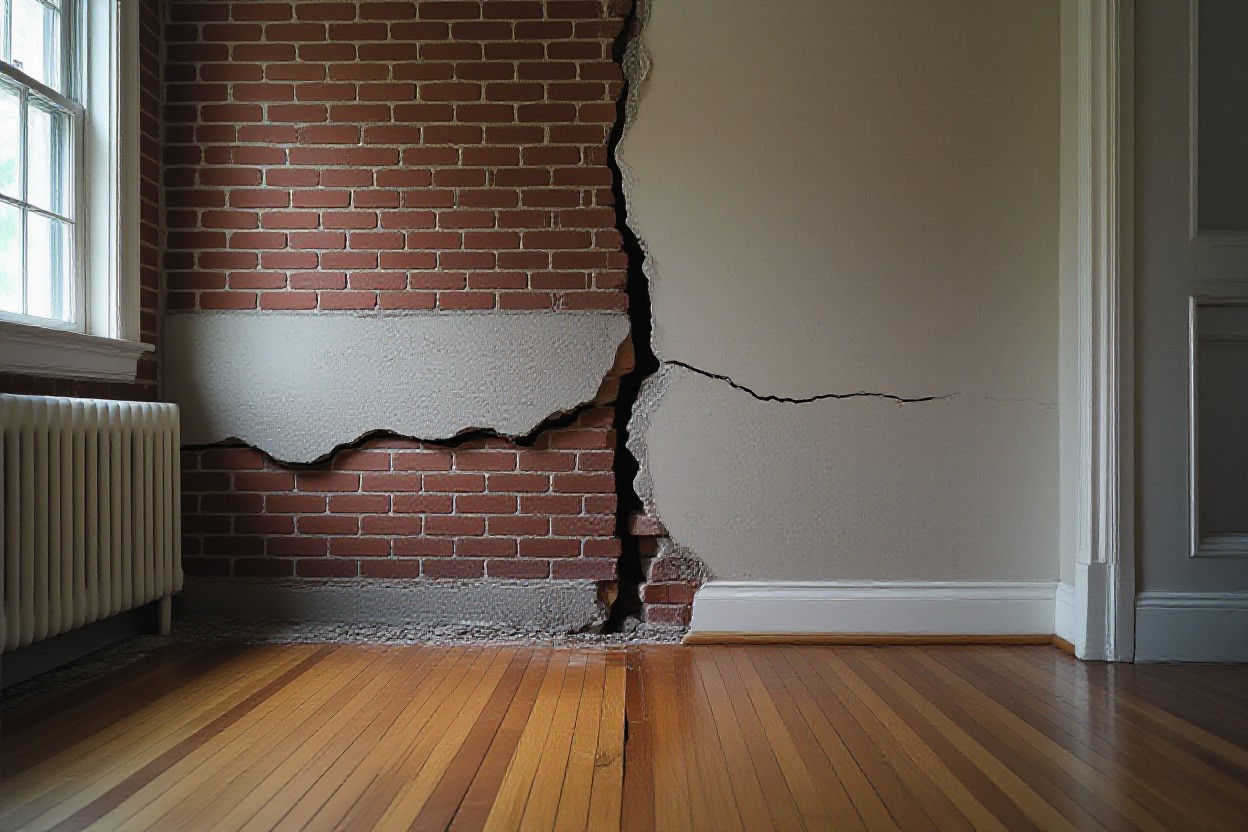
Many homeowners overlook early foundation issues, but identifying signs such as sloping floors, cracks in interior and exterior walls, sticking doors and windows, gaps at trim or between bricks, or moisture in basements lets you act before damage worsens; knowing these indicators helps you assess risk, prioritize inspections, and pursue timely repairs to protect your home’s value and safety.
Understanding Foundation Issues
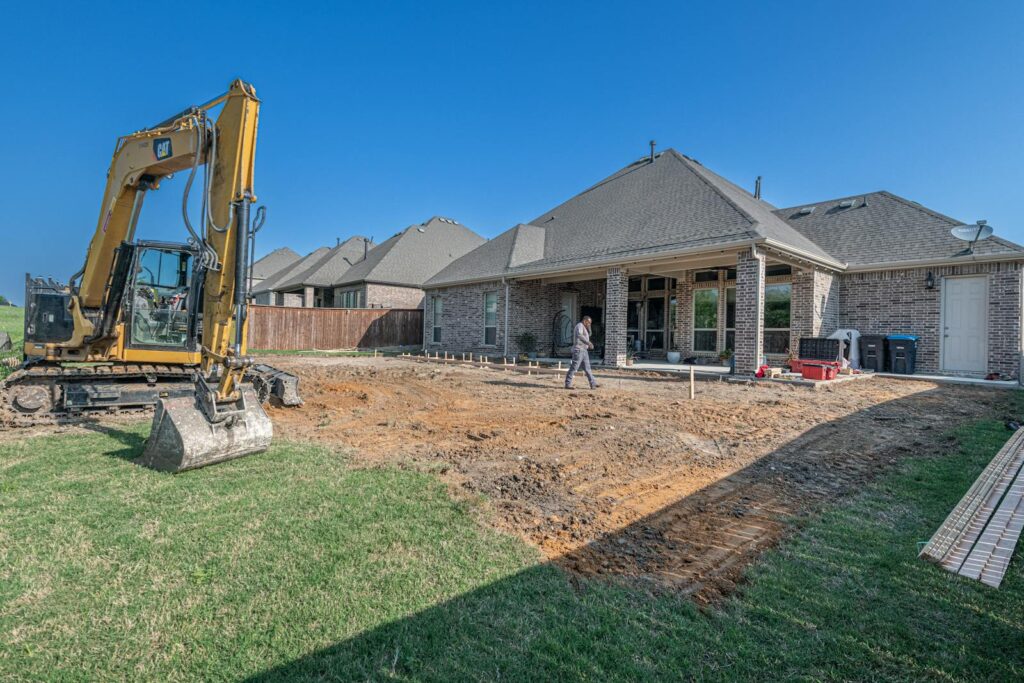
To spot foundation problems you should monitor for uneven floors, stair-step or vertical cracks in walls, doors and windows that stick, and gaps at baseboards; these signs often indicate settlement, soil movement, or moisture intrusion that can threaten structural integrity if not evaluated.
What Causes Foundation Problems
For most homes, foundation damage arises from soil expansion and contraction, poor drainage, persistent leaks, invasive tree roots, or inadequate construction, so you reduce risk by controlling water near your foundation and addressing plumbing or grading issues promptly.
The Importance of Timely Detection
Below are reasons you must act quickly when you notice warning signs: early detection limits repair complexity, helps preserve your property value, prevents progressive structural damage, and often lowers overall repair costs.
Causes of delayed repairs include assuming minor cracks are harmless, avoiding inspection costs, or lacking awareness; when you postpone assessment, small issues can escalate into major foundation failures, requiring more invasive and expensive remediation.
Common Signs of Foundation Problems
It’s important you watch for indicators like wall cracks, sticking doors, uneven floors, gaps around windows or exterior trim, and exterior foundation settlement; noticing these signs early lets you arrange an inspection before issues escalate and helps protect your home’s structural integrity.
Cracks in Walls and Floors
To evaluate cracks, you should note their width, direction, and whether they grow over time; horizontal or stair-step cracks and gaps wider than a quarter inch often indicate foundation movement and merit professional assessment to determine corrective steps.
Uneven or Sloping Floors
The presence of sloping or bouncing floors means your foundation may be settling unevenly, causing joists and supports to shift; you should check for gaps at baseboards, test door and window alignment, and track changes to decide on timely intervention.
Due to differential settlement, one area of your home can sink more quickly than another, creating concentrated stress that leads to drywall cracks, misaligned plumbing, and premature wear on structural members; you should document sagging spots, measure slope with a level, and consult a foundation specialist about underpinning or leveling options.
Doors and Windows Malfunctioning
Now you may notice doors and windows that no longer operate smoothly, with misaligned frames, uneven sills, or persistent sticking and scraping indicating your foundation may be shifting and deserves prompt attention.
Difficulty Closing or Opening
Difficulty closing or opening doors and windows often occurs when your foundation settles unevenly; you might need to lift doors, force latches, or struggle with jammed sashes, which signals you should monitor the issue and consult a professional if it worsens.
Gaps Around Frames
Against the frame you may observe visible gaps, cracked caulking, or separated trim where the wall has moved, allowing drafts, moisture, and pests into your home and indicating potential foundation movement.
Even small gaps around frames can increase energy loss and water intrusion over time, so you should measure gap widths, photograph changes, apply temporary weatherstripping, and arrange a foundation inspection if gaps grow or appear at multiple openings.
Basement and Crawl Space Indicators
Unlike superficial wall blemishes, basement and crawl space issues often signal structural movement or chronic moisture that threaten your foundation; you may notice uneven floors, bowing walls, stair-step masonry cracks, or gaps where the floor meets walls. You should inspect these spaces periodically and contact a foundation professional if you detect progressive shifts, sagging, or worsening conditions.
Water Intrusion and Moisture
Among the most telling signs are persistent dampness, water stains, efflorescence, standing water, and peeling paint in your basement or crawl space; you may also find mold growth along joints and insulation. These conditions raise hydrostatic pressure on footings and accelerate material decay, so you should trace the water source, improve drainage, and consider waterproofing or professional repair.
Poor Air Quality and Odors
About musty, stale, or chemical-like smells in your lower levels, which often indicate mold, mildew, radon, or sewer-gas infiltration; you may also notice increased allergy symptoms, headaches, or respiratory irritation. You should evaluate air quality and address contamination sources to protect your health and prevent long-term damage to structural materials.
Another important step is to test for radon, mold spores, and VOCs so you can target remediation; you should seal foundation cracks, repair plumbing leaks, and boost ventilation with passive vents or a mechanical system. For persistent or hazardous contamination, hire a qualified environmental or foundation specialist to ensure remediation and mitigation are safe and effective.
Outdoor Signs of Foundation Distress
Your yard and exterior details often reveal foundation distress: uneven walkways, sunken porches, gaps between siding and soil, and cracks near corners all signal movement, so you should monitor shifting thresholds, doors that bind, and progressive gaps and seek professional evaluation if conditions worsen.
Separation from the House
Below the house you may notice gaps where steps, patios, or decks no longer meet the foundation, visible separation at sill plates, or detached trim and siding; if these gaps widen or you see new cracks, document the changes and consult a foundation specialist promptly.
Soil Erosion and Drainage Issues
Against the foundation you may see eroded soil, exposed footings, or channels directing water toward the wall; standing water, overflowing gutters, and poor grading can wash away support and lead to uneven settling that you need to correct.
Soil that slopes toward your home, compacted zones that prevent absorption, and missing downspout extensions increase hydrostatic pressure and erosion; you can mitigate risk by regrading to slope away, extending downspouts, installing swales or French drains, and adding vegetation or retaining structures to stabilize the ground.
Evaluating the Severity of the Problem

Not every crack signals catastrophic failure; you should assess crack type, width, pattern, and progression alongside symptoms like uneven floors, sticking doors, and water intrusion to judge urgency and prioritize repairs based on structural impact and site conditions.
Professional Inspections
Any persistent or worsening symptoms-horizontal or stair-step cracks, notable settlement, or repeated water entry-should prompt a licensed foundation inspector or structural engineer to diagnose causes, provide measurements, and recommend a staged repair plan so you can act with confidence.
DIY Assessment Techniques
Professional-grade tools aren’t necessary for initial checks; you can use a tape measure, carpenter’s level, and camera to document crack widths, track floor slopes, and inspect grading and downspouts to identify factors that may be affecting your foundation.
And when you perform DIY monitoring, log dates and measurements, take repeat photos from the same angles, note weather or seasonal patterns, and treat rapid changes-widening cracks, new doors binding, or fresh water stains-as signals to contact a professional promptly.
To wrap up
To wrap up, you should address foundation signs-wall cracks, sticking doors and windows, uneven floors, and gaps around trim-promptly to limit damage; arrange a professional inspection, prioritize repairs by severity, and document conditions so you can protect your home’s structural integrity and value.