
Why Fast Response Matters in Water Damage Situations
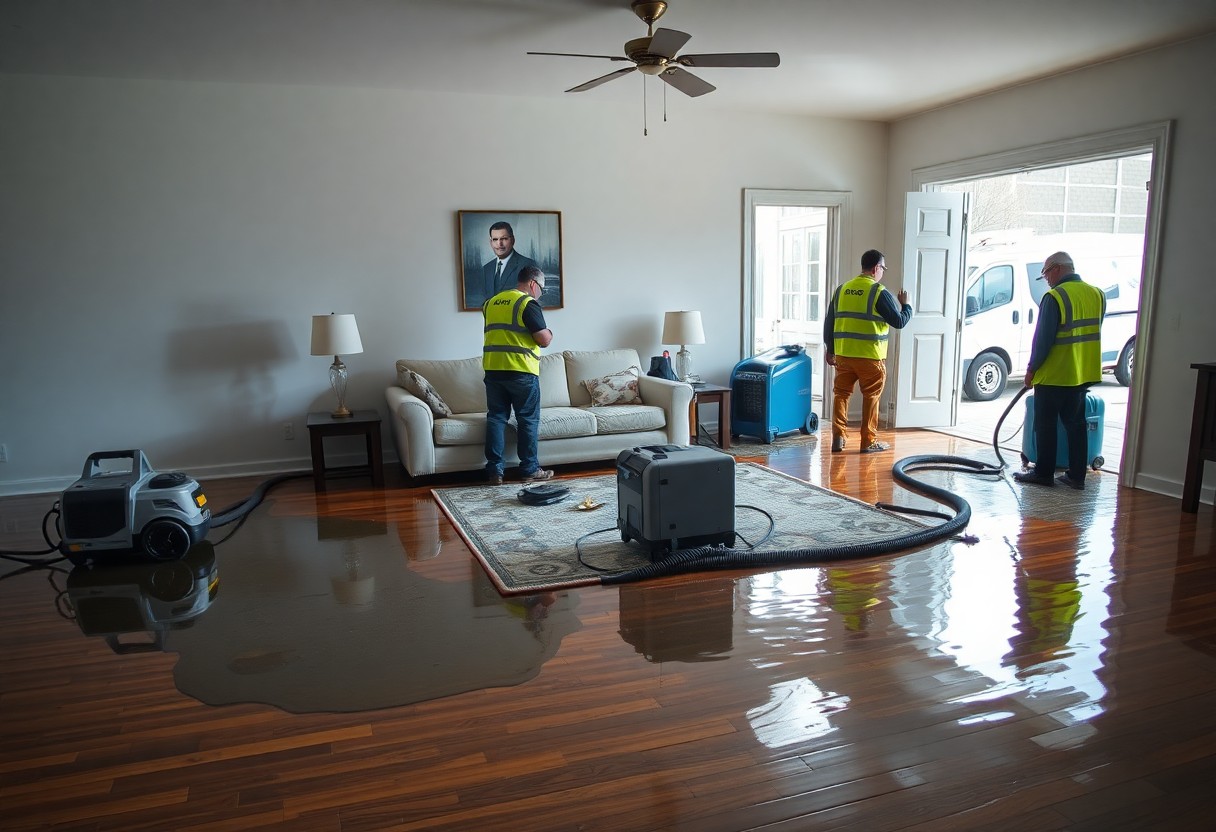
Most people underestimate how quickly water damage escalates; by acting immediately you limit structural deterioration, reduce mold growth, and preserve your belongings. Fast response protects your health, lowers repair costs, and improves restoration outcomes, so knowing immediate steps and contacting qualified professionals ensures the best chance to salvage property and mitigate long-term impact.
The Consequences of Delayed Response
Your delayed action after water intrusion increases the risk of widespread damage, higher repair costs, and loss of irreplaceable items; every hour allows water to weaken materials, corrode systems, and expand affected areas, making restoration more complex and costly.
Structural Damage
Structural elements like joists, beams, and drywall can warp, rot, or lose load-bearing capacity when you do not act quickly, creating safety hazards and often requiring extensive reconstruction rather than simple repairs.
Mold Growth
For mold to take hold, allowing moisture to persist gives spores 24-48 hours to colonize, threatening your indoor air quality and health while hiding contamination that complicates cleanup.
Damage from mold can undermine flooring, cabinetry, and insulation, leaving you with lingering odors, allergic reactions, and structural weakening that persist until you remove affected materials and eliminate the moisture source with professional remediation.
The Importance of Swift Action
Some delays let water seep into walls, floors, and wiring, increasing repair costs and lowering the chance you can salvage items; when you act fast you limit structural deterioration, stop progressive damage, and make restoration more effective.
Mitigating Losses
Swift action by you-shutting off the water, relocating valuables, and contacting restoration professionals-reduces direct replacement costs and prevents additional failures like warped flooring or ruined finishes; quick drying and targeted cleanup preserves more of your home and its value.
Health Hazards
Mitigating health hazards requires you to understand that standing water and damp materials become breeding grounds for mold and bacteria, which can aggravate allergies, asthma, and infections; you should avoid exposure, use protective gear, and involve trained technicians for safe remediation.
Even brief exposure to contaminated water or early mold growth can cause symptoms in sensitive individuals, and mold can establish within 24-48 hours, so you should document damage, limit contact, ventilate when safe, and seek medical advice for persistent symptoms while professionals assess contamination levels.
The Role of Professionals
Any delay magnifies damage; you need professionals who act fast to limit loss, secure your property, and plan recovery. They coordinate insurance, mitigate hazards, and preserve what can be saved so you regain control sooner.
Professional Roles
| Role | How it helps you |
|---|---|
| Technician | Immediate mitigation to stop spread |
| Project manager | Coordinates repairs and timelines |
Expertise in Damage Assessment
Assessment of structural, electrical, and mold risks lets you prioritize repairs and avoid hidden hazards; trained pros use moisture meters and experience to give you accurate scope and timelines.
Assessment Tools
| Tool | Use |
|---|---|
| Moisture meter | Quantifies hidden moisture for targeted drying |
| Thermal camera | Finds concealed wet areas behind surfaces |
Advanced Recovery Techniques
For advanced recovery, professionals deploy targeted drying, antimicrobial treatments, and structural stabilization that protect your health and reduce replacement costs for you.
- Rapid targeted drying to halt deterioration
- Antimicrobial application to limit mold growth
- Stabilization to preserve structural elements
Advanced Methods
| Method | Purpose |
|---|---|
| Desiccant dehumidification | Dries low-humidity spaces quickly |
| HEPA air scrubbing | Reduces airborne contaminants for safety |
Techniques like infrared moisture mapping, controlled demolition of unsalvageable material, and compartmentalized drying give you precise, cost-effective restoration and reduce long-term damage.
- Infrared scans to pinpoint moisture
- Controlled demolition to remove compromised material
- Compartmentalized drying to protect unaffected areas
Technique Benefits
| Technique | Benefit |
|---|---|
| Infrared mapping | Targets drying and limits demolition |
| Compartmentalized drying | Speeds recovery while protecting your contents |
Effective Communication with Emergency Services
Unlike waiting for help to arrive, you should provide concise, specific information to emergency dispatch: exact address, access points, visible hazards, source of water, and number of affected rooms. Share photos, confirm estimated arrival times, stay reachable, and note any on-site contacts so responders can triage and prioritize your property quickly.
Reporting Water Damage
At the first sign of water you should report the incident to emergency services and your insurer, giving the time discovered, suspected source, extent of visible damage, any electrical risks, and whether you shut off the main. Provide policy number and a reliable contact so responders and adjusters can act without delay.
Coordinating with Restoration Companies
Companies you contact should be licensed, insured, and clear about availability; ask for written scope, timeline, equipment to be used, and how they will contain contamination. Confirm who will liaise with your insurer, what temporary repairs they will perform, and how they will document the job for claims.
And when work begins, you should authorize only documented estimates, photograph conditions before and after, request regular drying reports and moisture readings, require clear invoices, and keep copies of communications so you can resolve disputes and ensure the restoration meets safety and insurance requirements.
Preventative Measures
For effective water-damage prevention, you should inspect plumbing, seal foundation and roof gaps, maintain proper yard grading, install leak detectors, and ensure you know shut-off valves so you can limit damage by acting swiftly.
Regular Maintenance
Along with routine checks, you should clear gutters, test sump pumps, service washing machines and water heaters, and replace aging hoses and pipes; a documented maintenance schedule helps you catch failures before they become emergencies.
Emergency Preparedness Plans
Preventative emergency plans require you to compile contact lists, an action checklist, valve diagrams, and quick-access tools so you can reduce response time and manage water intrusion decisively.
Regular drills and reviews of your emergency plan ensure you assign roles, store vital supplies, back up important documents off-site, label shut-off points, and practice timed responses so you know precisely what to do when water threatens your space.
Case Studies: Success Stories of Fast Response
Once again rapid intervention made the difference; you can judge outcomes from these measurable case studies:
- 1) Residential townhouse: 45‑minute response, 2,000 sq ft affected, 3,000 gallons removed, restoration cost $8,200 vs projected $27,000, reoccupied in 4 days.
- 2) Condo flood: 30‑minute response, 600 sq ft, 800 gallons removed, mold prevented (<2% contamination), insurance claim settled in 7 days, cost $1,900.
- 3) Small retail store: 20‑minute response, 1,200 sq ft, downtime 24 hours, direct loss $45,000 avoided vs $175,000 potential, operations resumed next day.
- 4) Office tower leak: 15‑minute containment, 10,000 sq ft exposure minimized to 500 sq ft, restoration $32,000, business interruption limited to 48 hours.
Residential Cases
One rapid response you arrange can limit damage to a single unit: a 30-60 minute arrival removed 1,200 gallons from your 1,500 sq ft home, cut restoration to $3,200 from an estimated $12,000, and allowed reoccupation within 3 days.
Commercial Cases
To protect your business, prompt mitigation stopped a burst‑main flood in a 10,000 sq ft warehouse: loss limited to $45,000, downtime 24 hours, and projected lost revenue reduced by $130,000.
Hence you should prioritize immediate action plans; one 15‑minute response prevented mold (>1% incidence), secured insurer approval in 10 days, and restored full operations in 48 hours, preserving revenue and reputation.
Final Words
To wrap up, when water strikes you must act quickly: fast response limits spread and structural damage, reduces mold growth and health risks, preserves your belongings, and lowers repair costs by allowing targeted, effective mitigation; rapid action also gives you better insurance outcomes and peace of mind when professionals can intervene before problems compound.