
Early Signs of Water Damage Homeowners Miss
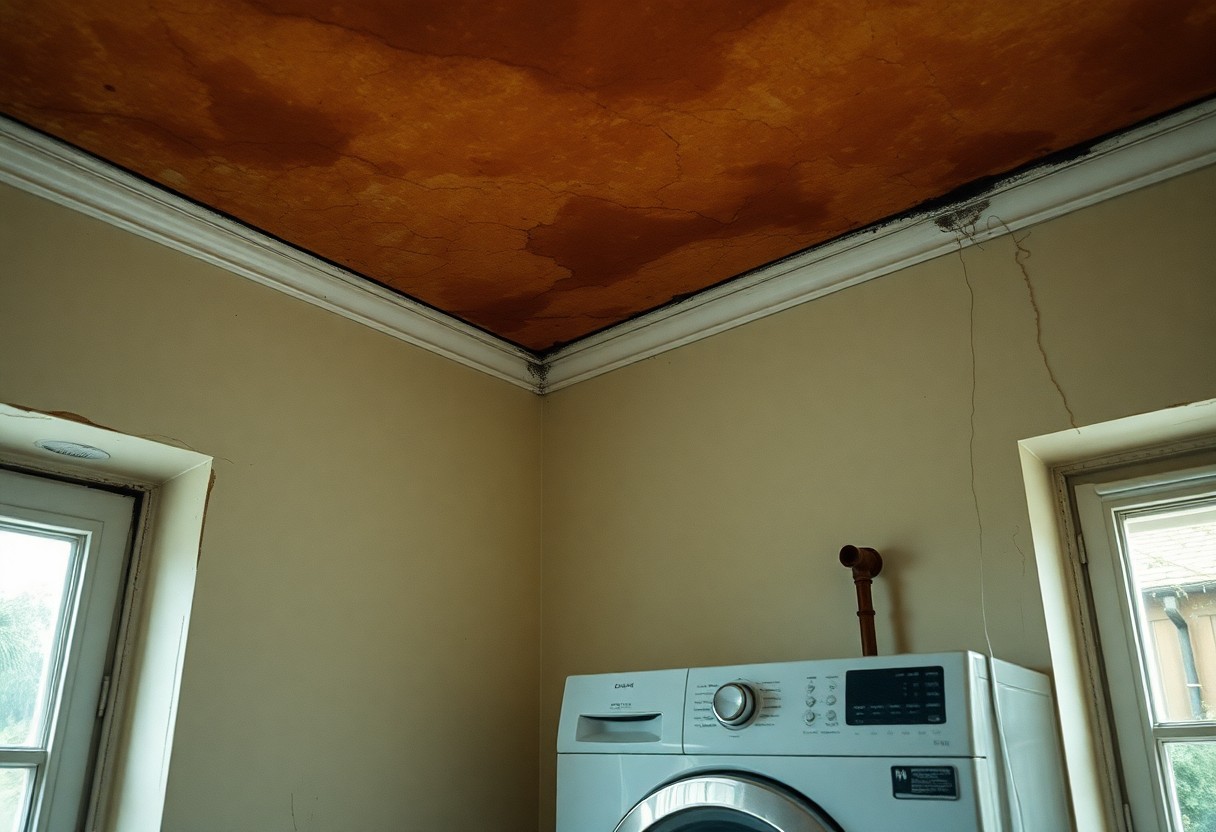
You may be overlooking subtle water damage signs in your home that signal leaks before they become expensive problems; musty odors, paint bubbling or discoloration, warped floors, recurring stains on ceilings, and unexplained increases in your water bill are early warnings you should inspect immediately.
Understanding Water Damage
A solid understanding of water damage lets you detect subtle signs-persistent dampness, musty odors, staining, and structural softening-so you can act early to protect your home’s value and health.
Causes of Water Damage
Beside burst pipes and roof leaks, slow pinhole leaks, appliance failures, poor grading, and blocked gutters introduce moisture; you should assess sources regularly to prevent hidden deterioration.
Common Areas Affected
About basements, crawlspaces, attics, bathrooms, kitchens, and exterior walls, these common hotspots show problems first; you should inspect them for discoloration, peeling paint, or elevated humidity.
Areas such as behind appliances, under sinks, around window sills, and beneath HVAC units often hide damage-you should probe for soft spots, efflorescence on masonry, sagging ceilings, and recurring mold to catch issues before structural harm occurs.
Early Signs of Water Damage
Any early moisture problem can escalate quickly; you should watch for subtle indicators like musty odors, warped baseboards, or recurrent condensation that point to leaks behind walls or in crawlspaces, so you can address issues before structural or mold damage grows costly.
Discoloration on Walls and Ceilings
Walls stained with yellow, brown, or gray patches often mean moisture has migrated through drywall or plaster; you should inspect the area, trace stains to potential plumbing, roof, or window leaks, and act quickly to find the source and limit spread.
Peeling or Bubbling Paint
Peeling or bubbling paint signals trapped moisture beneath the surface; when you notice flaking or raised sections, check for active leaks, poor ventilation, or failing vapor barriers to prevent deeper material deterioration and mold growth.
Paint that separates from the substrate is often accompanied by soft drywall or plaster and a faint musty smell; you should probe surrounding areas, test for dampness with a moisture meter, and prioritize repairs to stop rot and hidden mold before damage becomes extensive.
Musty Odors and Mold Growth
Assuming you detect a persistent, musty scent in a room, inspect behind appliances, under sinks, and inside closets to locate trapped moisture and prevent hidden decay and respiratory irritation.
Identifying Musty Smells
An ability to tell musty from stale smells helps you find leaks: mustiness is earthy or mildew-like, concentrates near carpets, baseboards, and vents, and often appears alongside damp spots or peeling paint-investigate those areas promptly.
Recognizing Mold Types
With varying colors and textures, mold signals lingering moisture; you can spot black, green, white, or fuzzy growth on walls, ceilings, and fabrics, often accompanied by a sour odor. Thou should test small patches and hire professionals for extensive infestations.
- Under sinks and around plumbing
- Behind wallpaper and drywall
- In basements, crawl spaces, and attics
- On bathroom grout and shower seals
- Thou should act quickly if you find visible colonies
| Type | Common Signs |
| Black mold | Dark patches, strong musty odor |
| Green mold | Greenish spots on porous surfaces |
| White mold | Powdery or fluffy white residues |
| Fuzzy/colored colonies | Textured growth that spreads |
For instance, when you see discoloration or persistent dampness, document the area with photos, dry the space, and test materials if you’re unsure; Thou should prioritize containment and professional cleanup for large or spreading growth.
- Document and photograph suspicious areas
- Dry and ventilate the affected space
- Use disposable gloves and masks for small cleanups
- Consider lab testing for health concerns
- Thou should contact remediation experts for extensive infestations
| Location | Recommended Action |
| Ceilings | Inspect roof/plumbing; replace damaged drywall |
| Basements | Improve drainage; run a dehumidifier |
| Bathrooms | Increase ventilation; clean or replace grout |
| Carpets | Dry quickly or remove padding and fibers |
Unexplained Increase in Water Bills
Many homeowners don’t notice a steady rise in water bills until it becomes significant; you should treat an unexplained increase as a likely sign of hidden leaks or running fixtures. Compare recent bills to past usage, check for seasonal irrigation changes, inspect visible plumbing and appliances, and monitor your meter with all water turned off to confirm leaks. Prompt action saves money and prevents structural damage.
Understanding Water Usage Patterns
Along with bill comparisons, track daily and weekly usage patterns so you can spot anomalies tied to specific activities or appliances. Log meter readings before and after showers, dishwashing, or irrigation, note changes when guests visit, and account for lawn watering. This helps you distinguish normal variability from persistent leaks that require investigation.
Identifying Leaks
Understanding how leaks present makes them easier to find: check under sinks, around toilets, behind appliances, and at hose bibs for dampness or stains; listen for continuous running or hissing; and test toilets with food coloring to detect silent flushes. If your meter moves with all fixtures off, you likely have a hidden leak needing further inspection.
Increase your troubleshooting by isolating sections of your plumbing-shut off valves to isolate hot, cold, or outdoor lines while monitoring the meter-to narrow leak locations; examine the water heater, basement walls, and ceiling spots; check irrigation systems and sprinkler heads for slow drips. If you can’t locate the source, hire a professional with acoustic or infrared detectors to avoid costly damage.
Structural Issues
After repeated exposure to moisture, structural elements like beams, joists, and load-bearing walls can weaken; you may notice sagging ceilings, sticking doors, or uneven floors that signal deterioration and potential safety risks. If you see these signs, have a professional assess load-bearing members and moisture sources to prevent further compromise of your home’s integrity.
Warping Floors and Walls
On surfaces exposed to persistent dampness, you may find floors warping and walls bowing or paint bubbling; these changes often begin subtly near bathrooms, basements, or windows. You should track moisture patterns, lift a corner of flooring to inspect subflooring, and address leaks quickly to prevent widespread structural damage.
Cracks in Foundations
Issues with small hairline cracks in your foundation can indicate water pooling or soil movement; you should monitor crack width, direction, and whether it leaks during heavy rain to gauge urgency and next steps.
With wider, horizontal, or stair-step cracks, you should contact a structural engineer because these patterns suggest shifting soils or hydrostatic pressure from poor drainage; documenting changes with photos and a crack gauge helps professionals recommend fixes like improved grading, French drains, or foundation underpinning to protect your home.
Tips for Homeowners
Now you can protect your home with focused checks and simple habits:
- Inspect attics and basements monthly for dampness.
- Track water bills and fixtures for unusual use.
- Keep gutters, downspouts and grading directing water away from foundations.
Perceiving minor changes early helps you stop small leaks from turning into costly repairs.
Regular Inspections
Against complacency, you should schedule routine inspections of vulnerable areas-check seals, pipes, appliance connections, and behind walls where possible to spot discoloration, soft surfaces, or pooling that indicate hidden leaks.
Preventative Measures
After identifying weak points, you should apply simple protections like installing water alarms, insulating exposed pipes, sealing gaps around windows and doors, and ensuring roof and gutter integrity to minimize infiltration.
Tips you can implement now include replacing failing caulk, elevating stored items off floors, fitting automatic shutoff valves, and arranging professional plumbing reviews to catch issues you might miss.
Conclusion
To wrap up, if you spot subtle signs of water damage-stains, warped trim, musty air, or unexplained dampness-you should act promptly: inspect, fix leaks, improve ventilation, and monitor vulnerable areas regularly so small problems don’t become larger, more expensive repairs; taking these steps protects your home’s structure and indoor air quality.