
When a Plumbing Issue Becomes an Emergency

With a burst pipe, sewer backup, or persistent flooding, you must act fast to limit water damage to your home, electrical hazards, and mold growth; shut off water and power if safe, assess the situation, and contact a licensed plumber immediately so repairs begin before problems escalate and costs rise.
Common Plumbing Issues
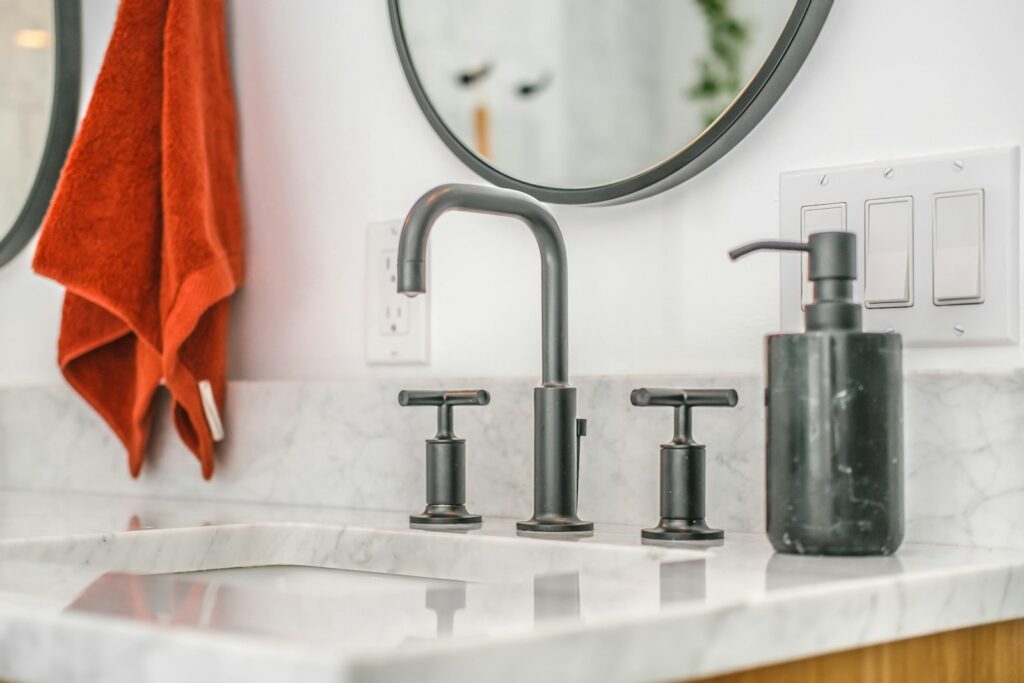
To protect your home you should be aware of common plumbing problems such as clogs, leaks, corroded pipes, frozen lines, and faulty fixtures; spotting early warning signs lets you decide whether a quick DIY fix suffices or you need a professional to prevent escalating damage to your property.
Clogs and Backups
The most frequent issues you encounter are blockages in sinks, tubs, and toilets-slow drainage, gurgling noises, or sewage backing up signal a clog that can cause overflow and contamination; try a plunger or auger for minor problems, but call a plumber for recurring or widespread backups.
Leaks and Drips
Before a small leak worsens, you should inspect under sinks, around appliances, and along visible pipes for steady drips, staining, or warped surfaces; early detection lets you tighten fittings, replace seals, or contact a licensed plumber to prevent hidden structural and mold damage.
Backups and persistent drips often share underlying causes like corrosion, joint failure, or partial blockages, so you should monitor water stains, musty odors, and rising bills; if you can’t locate or stop the source, shut off the water to the affected area and call a professional to assess and repair the system.
Recognizing Signs of an Emergency
Even a minor leak or sudden drop in water pressure can signal an emergency; if you see rapidly spreading water, sewage backing up, or water near electrical fixtures, act immediately: shut off the main, isolate the area, protect belongings, and contact a licensed plumber or emergency service.
Water Damage Indicators
On spotting discolored ceilings, bubbling paint, warped flooring, persistent damp smells, or pooled water, you should assume hidden leaks; if water affects multiple rooms or reaches outlets, shut off water and power, document damage, and call an emergency plumber to limit structural issues and mold growth.
Unusual Sounds and Odors
Behind gurgling drains, continuous hissing, banging pipes, or a sulfur (rotten egg) smell, you may face a sewer backup, high pressure, or a gas leak; you must ventilate, avoid open flames, evacuate if gas is suspected, and contact emergency responders and your plumber.
Another warning is intermittent sputtering from faucets, whistling valves, or persistent sewer odors; you should inspect appliance traps, check for dry P-traps, and have a plumber test pressure and vents to prevent pipe bursts, contamination, and costly repairs.
Immediate Steps to Take
While some leaks can be monitored briefly, when you see active flooding, foul odors indicating sewage, or water near electrical outlets you must act immediately to protect property and safety: stop the source if possible, isolate power to affected areas, and call a licensed plumber or emergency services if hazards persist.
Shutting Off the Water Supply
Below locate your home’s main shutoff-often near the meter, garage, or street side-and turn the valve clockwise or use a shutoff wrench; if you cannot access it, close individual fixture valves, collect dripping water in buckets, and keep household members away from affected areas until flow is stopped.
Assessing the Severity of the Issue
The first assessment you make should note water color and odor (clean vs. sewage), volume and rate of flow, affected materials, signs of electrical involvement, and whether structural elements like ceilings or floors are sagging, then prioritize actions that protect people and limit further damage before calling a professional.
Further, you should inspect hidden spaces for damp insulation, soft subflooring, warped cabinetry, or musty smells that indicate mold; photograph damage for insurance, log the times and steps you took, and avoid DIY repairs on sewer or electrical issues-secure the area and get a licensed plumber or restoration contractor as needed.
When to Call a Professional
All plumbing issues aren’t emergencies, but when you face persistent leaks, sewage backup, a burst pipe, or a complete loss of water, call a licensed professional so your home, health, and systems are protected and repairs comply with building codes.
Identifying Urgent Situations
Among the urgent signs you should not ignore are rapidly spreading water, gushing or visibly damaged pipes, sewage odors or backups, exposed electrical components near moisture, and sudden severe water-pressure loss; act quickly to shut off the main valve if safe and contact an emergency plumber.
Finding a Reliable Plumber
When you search for a plumber, prioritize licensed, insured technicians, read multiple reviews, request written estimates and clear warranties, confirm emergency availability, and verify experience with the specific repair to ensure your issue is fixed correctly the first time.
Consequently you should check credentials with local licensing boards, ask for references, compare itemized quotes, confirm they will obtain necessary permits, verify guarantees on parts and labor, and keep all documentation so your rights and home value are protected.
Preventative Measures
Keep a proactive schedule for inspections, basic repairs, and water-pressure checks so you catch leaks, corrosion, or slow drains early and avoid rushed fixes; schedule professional inspections annually and keep emergency shut-off locations labeled and accessible.
Regular Maintenance Tips
One routine you can follow is to inspect visible pipes monthly, test shut-off valves, clean aerators, and run water in seldom-used drains to prevent buildup. Perceiving small changes in pressure, color, or odor prompts timely repairs and reduces the chance of an emergency.
- Inspect under sinks and around appliances for moisture or stains
- Test shut-off valves to ensure they operate smoothly
- Clean faucet aerators and drain strainers to prevent clogs
Seasonal Checks and Upkeep

After seasonal shifts, winterize exposed pipes, drain and store outdoor hoses, insulate vulnerable lines, and check sump pumps and water heaters so you avoid freeze or storm damage.
Consequently, when temperatures fall you should open cabinet doors to warm under-sink pipes, maintain steady thermostat settings, and have a plumber inspect insulation and outdoor connections to prevent bursts or backflow.
Cost Considerations
Many homeowners underestimate how quickly plumbing problems escalate into expensive repairs; you should factor in emergency call-out fees, after-hours rates, parts and potential water damage remediation when assessing costs, and weigh whether temporary fixes might increase overall expense compared with prompt professional service.
Emergency Plumbing Costs
Below you can expect emergency dispatch fees, higher hourly rates for nights or weekends, replacement parts, and any water damage mitigation; plan for a larger budget if structural repairs or mold remediation are required.
Long-term Savings Through Prevention
To reduce long-term costs you should invest in regular maintenance, timely repairs, and professional inspections so you avoid emergency call-outs, large water losses, and extensive structural damage that drive up replacement and restoration bills.
Longterm you save money by maintaining fixtures, insulating pipes, and fixing small leaks early, which prevents frozen-pipe bursts, corrosion, mold, and costly structural repairs; allocating a modest annual maintenance budget reduces emergency expenses and protects your property’s value.
To wrap up
With these considerations you can quickly determine whether a leak, sewer backup, burst pipe, or total loss of hot water demands emergency response; shut off valves, contain standing water, avoid electrical contact, and contact a licensed plumber if your property or health are at risk. Act promptly to limit damage, document the scene for insurance, and follow professional instructions until repairs are complete.