
What Causes Foundation Damage in Homes
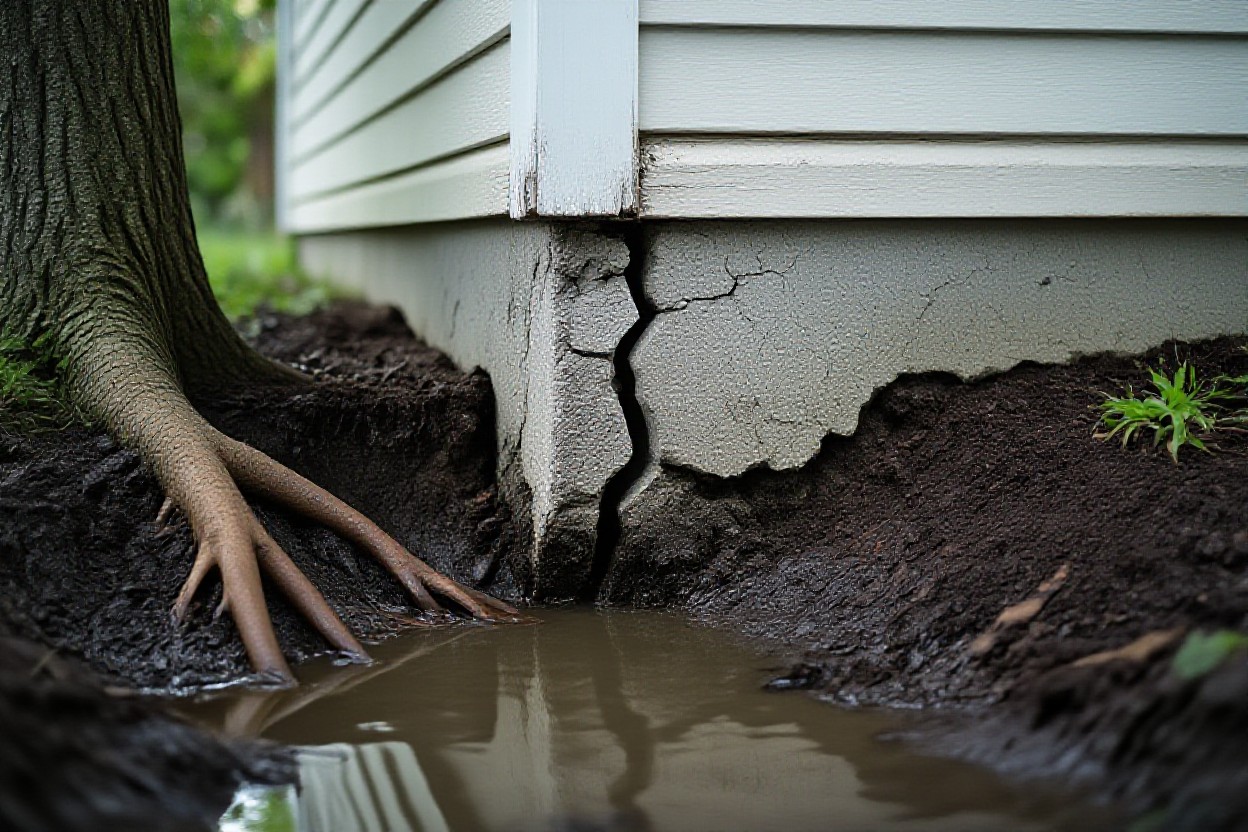
Just as you monitor your home’s condition, understanding what causes foundation damage lets you protect its structural integrity; common culprits include soil movement from expansive clay, poor drainage and guttering that allow water to pool, hidden plumbing leaks, invasive tree roots, freeze-thaw cycles, and construction or design flaws, and spotting early signs-cracks, uneven floors, or sticking doors-enables timely repairs that prevent more costly failures.
Common Causes of Foundation Damage

To protect your home, you need to understand the main causes of foundation damage: soil movement, water intrusion, poor construction, and invasive roots. You should inspect for cracks, uneven floors, and drainage problems, document changes over time, and consult a qualified professional when you suspect shifting or moisture-related issues.
Soil Movement
For many homes, soil that expands and contracts with seasonal moisture changes is a primary driver of foundation shift; when you have clay or loosely compacted fill, differential settlement can create cracks and misaligned doors. You should evaluate soil type, improve grading, and stabilize landscaping to reduce movement.
Water Intrusion
Soil that becomes saturated from poor drainage, leaking pipes, or overflowing gutters increases hydrostatic pressure against your foundation, washing away support and causing settling, heaving, or cracks; you should manage surface and subsurface water with proper gutters, grading, and drainage systems.
Even slow, chronic water exposure can weaken concrete, erode supporting soils, and promote mold or rot in nearby structures; you should fix leaks promptly, install or maintain proper drainage and sump systems, and schedule moisture inspections to protect your foundation over time.
Environmental Factors
It is the interaction of soil, water and weather that undermines your foundation; common contributors include:
- Poor drainage and standing water that soften soils
- Expansive clay that swells and shrinks with moisture
- Freeze-thaw cycles that lift and crack slabs
- Seismic activity or settlement that shifts footings
The environment immediately surrounding your home directly influences foundation stability.
Climate Variability
By increasing the frequency of intense storms, droughts and freeze-thaw events, changing climate patterns force your soil to repeatedly gain and lose moisture, which promotes differential movement, settlement and cracking unless you manage drainage and moisture consistently.
Vegetation Effects
Along foundations, trees and large shrubs extract significant moisture, causing soil shrinkage and settlement beneath your footings, while invasive roots can lift slabs or enter drains, so you should locate large plants away from your foundation and use barriers where needed.
Considering plant selection and placement helps you prevent root-related damage: choose non-invasive, low-water species, maintain consistent irrigation near foundations to avoid uneven drying, prune roots when necessary and install root barriers or proper grading to protect your home.
Construction and Design Issues
Some design and construction mistakes-such as poor soil evaluation, undersized footings, inadequate load paths, or substandard materials-can leave your foundation prone to settlement, cracking, and movement; you should verify that plans and workmanship match site conditions to protect your home’s stability.
Poor Drainage Systems
To avoid water-induced foundation problems you must ensure gutters, downspouts, proper grading, and subsurface drains direct water away from your foundation, because standing water and saturated soils increase pressure on walls and cause heaving, erosion, and uneven settlement that harm your structure.
Inadequate Structural Support
On many properties, undersized footings, missing reinforcement, or improperly located load-bearing elements transfer forces unevenly, causing your foundation to crack, settle, or tilt; you should confirm that supports are designed for actual soil conditions and expected loads.
Systems of beams, columns, and footings that are mis-specified, poorly connected, or made from low-quality materials amplify differential settlement and structural distress; you should consult a structural engineer to verify sizing, reinforcement, and connections so your foundation distributes loads evenly and withstands soil movement.
Age of the Home
Despite its appearance, an older home often develops foundation issues as materials degrade, previous repairs fail, and long-term soil movement affects footings; you should watch for new cracks, sloping floors, and doors that stick to know when professional inspection is needed.
Natural Wear and Tear
To understand natural wear and tear, note that repeated freeze-thaw cycles, seasonal moisture swings, and gradual material fatigue slowly weaken your foundation components, so you should schedule periodic inspections and prompt maintenance to prevent minor defects from worsening.
Settlement Over Time
Beside normal aging, settlement over time happens when soil beneath your home compresses unevenly-due to poor compaction, variable moisture, or buried organic matter-leading to differential movement that causes cracks, gaps, and misaligned frames you can observe.
Considering settlement causes, expansive clay, loose fill, plumbing leaks, and nearby tree roots frequently trigger uneven sinking; you can reduce further damage by improving drainage, repairing leaks, trimming roots, and consulting a structural engineer about underpinning or soil stabilization when movement continues.
Signs of Foundation Problems

All signs of foundation distress should prompt inspection; you may notice doors and windows sticking, gaps at exterior walls, uneven or sloped floors, or water pooling near the foundation, all indicating soil movement, settling, or drainage problems that affect your home’s stability.
Cracks in Walls and Floors
Walls and floors develop hairline, diagonal, or widening cracks; you should note their location and direction, whether cracks are opening over time, and if they appear near windows, doors, or corners-patterns that often signal foundation shift rather than superficial settling.
Uneven Flooring
Behind uneven flooring you may find settled joists, a heaved slab, or compromised support; when your floors slope, sag in spots, or have gaps at baseboards, these are signs you should have a structural inspection to assess repairs and safety.
Another indicator is localized bouncing, stair-step separations between boards, or persistent creaks; you can check with a level or monitor changes over weeks, and if movement increases or affects door operation, engage a foundation professional for diagnosis and remediation.
Preventative Measures
Many homeowners reduce foundation damage by managing water, maintaining proper grading, cleaning gutters, controlling vegetation, and scheduling inspections; you should create routine maintenance habits to minimize soil movement and pressure on your foundation.
Regular Inspections
The most effective step is regular inspections-you should examine for hairline cracks, stair-stepped mortar damage, uneven floors, and signs of moisture each season, document changes, and call a professional if movement or persistent water shows up.
Landscaping Considerations
Before planting or altering terrain near your home, you should choose low-root species, position large trees away from the foundation, and plan irrigation to avoid saturating soil that can expand, settle, or exert lateral pressure.
A proper mulch layer and drip irrigation system help you maintain consistent soil moisture without overwatering; you should slope soil away from your foundation, avoid piling soil against walls, and use permeable surfaces to control runoff and reduce hydrostatic pressure.
To wrap up
Summing up, foundation damage in homes most often stems from soil movement, poor drainage, plumbing leaks, tree roots, and inadequate construction; you should monitor soil moisture, maintain gutters and grading, fix leaks promptly, and consult a structural professional when you detect cracks or doors sticking to prevent minor issues from escalating into major repairs.