
Signs Your Roof May Need Repair or Replacement

Most roof issues begin with visible clues you can assess quickly; if you notice missing or curled shingles, granule loss in gutters, dark streaks, sagging, interior water stains, or repeated leaks after storms, you should schedule a professional inspection to determine whether targeted repairs or a full replacement will protect your home’s value and safety.
Common Signs of Roof Damage
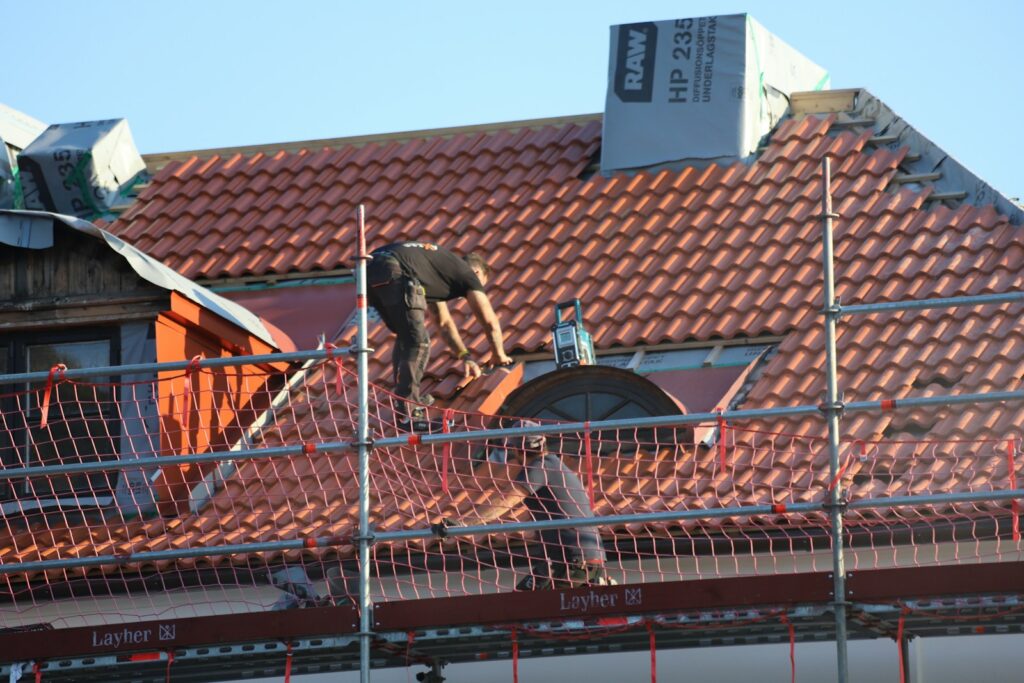
Before you assume cosmetic wear is harmless, check for sagging, missing granules, moss growth, or unexplained energy increases, as these visible changes often signal underlying deterioration that you should evaluate to decide between repair and replacement.
Missing or Damaged Shingles
For shingles that are cracked, curled, or missing entirely, you’ll see exposed underlayment, increased drafts, and potential water entry points; you should replace or repair affected shingles promptly to protect your roof deck and interior.
Leaks and Water Stains
Against ignoring ceiling stains or damp spots, treat any water marks as potential active leaks, since you can quickly face mold, insulation damage, and structural weakening if the source isn’t located and addressed.
Damaged flashing, clogged valleys, or degraded seals are common leak origins; when you discover stains, inspect the attic for wet insulation, trace the path to the roof, and engage a qualified professional if you cannot safely identify or repair the source to prevent escalation.
Age of the Roof
If your roof is approaching or past its expected service life, you’ll see more frequent leaks, visible wear, and declining performance; you should weigh repair versus full replacement, especially if your roof is over two decades old, has had multiple patch jobs, or you want to avoid escalating interior damage.
Lifespan of Different Roofing Materials
Among common roofing materials, asphalt shingle roofs typically last 15-30 years, architectural shingles 20-30 years, metal 40-70 years, clay or concrete tile 50-100 years, wood shakes 20-40 years, and natural slate 75-100 years; your climate and maintenance can shorten or extend these ranges.
Indicators of Roof Aging
The signs of roof aging include curling or buckling shingles, bald spots where granules have worn off, repeated leaks, visible sagging, deteriorated flashing, and rising energy bills; if you notice several of these, you should plan for a professional evaluation and consider replacement instead of further temporary fixes.
For instance, if you find large piles of shingle granules in gutters, daylight showing through the attic roof sheathing, water stains on ceilings, or persistent moss and algae growth, your roof is likely past simple repair; you should document these issues for a roofer and budget for timely replacement to protect your home.
Interior Signs of Roof Problems
It may be hard to spot roof damage from inside, but signs like water stains, peeling paint, sagging ceilings, persistent musty odors, increased attic daylight, or sudden spikes in your energy bills indicate your roof or flashing may be compromised and you should arrange an inspection.
Ceiling and Wall Discoloration
Along the ceiling and walls, brown or yellow stains, haloed rings, bubbling paint, or wallpaper lifting signal active leaks; you should trace stains to their highest point, check the attic for wet insulation or daylight, and schedule repairs before structural damage worsens.
Mold and Mildew Growth
Mold and mildew often appear as black, green, or white patches with a musty smell; if you spot growth on ceilings, roof sheathing, or attic framing, you should avoid disturbing spores, reduce humidity, and contact a qualified contractor for assessment and remediation.
Interior mold thrives where moisture persists-behind insulation, around vents, or along roof penetrations-so inspect your attic for condensation, wet insulation, or visible fungal growth; you should control humidity, fix leaks promptly, thoroughly dry affected materials, and consider professional removal and testing if growth is widespread or causes health symptoms.
Exterior Signs of Damage
All visible issues-missing or curled shingles, cracked flashing, stains on siding, or dark streaks-indicate your roof may be compromised; you should inspect for exposed underlayment, blistering, or missing granules after storms, and contact a professional if you spot repeated wear patterns or water stains on your ceilings, because exterior damage often lets moisture into your home and accelerates structural decline.
Sagging Rooflines
To spot sagging, walk around the perimeter and view rooflines from multiple angles; if you see dips, uneven valleys, or gaps at the fascia, you should avoid walking on the roof and call a qualified roofer immediately, since sagging signals structural failure, water damage in the decking, or compromised supports that threaten your safety and your home’s integrity.
Gutter Issues and Debris
By monitoring gutters, you can catch early signs: sagging, rust, overflowing, or heavy clogs indicate poor drainage that pushes water against your roof and fascia; you should clear debris promptly, ensure downspouts divert water away from your foundation, and schedule repairs if gutters pull away or leak consistently.
Debris buildup-leaves, needles, and shingle grit-creates standing water that accelerates rot and ice dams; you should inspect and remove blockages seasonally or after storms, consider gutter guards if you struggle to keep them clear, and have a pro check for hidden damage like loosened hangers or separated seams that can undermine your roof’s drainage.
Impact of Severe Weather
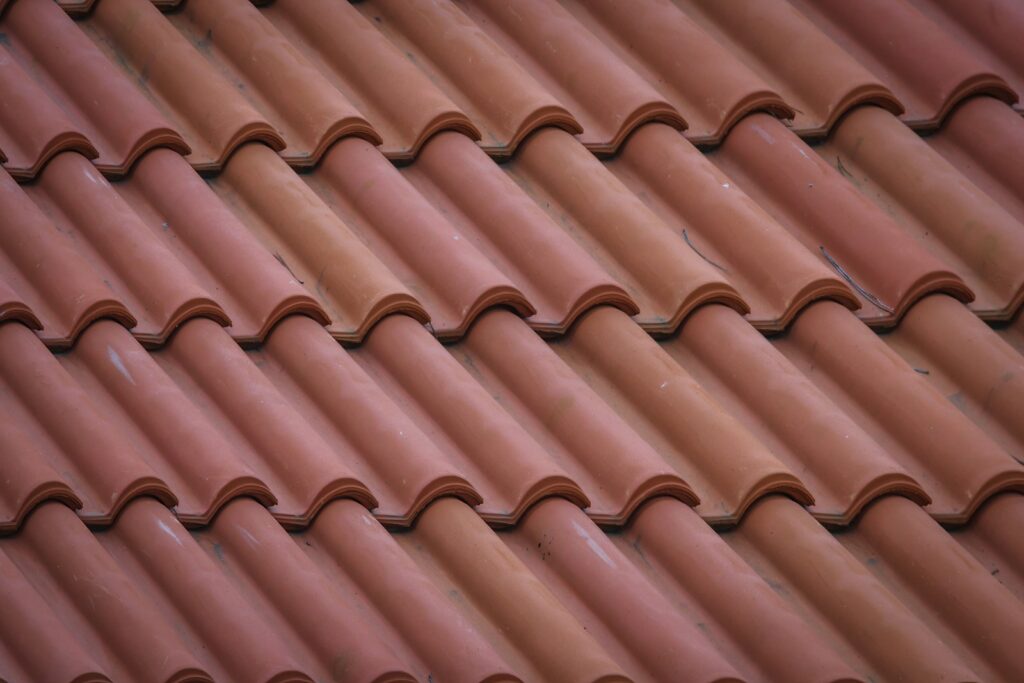
Keep an eye on how storms accelerate wear to your roof: heavy rain, wind, hail and snow can strip granules, loosen flashing, and cause hidden water intrusion that shortens service life. After severe weather you should inspect for missing shingles, sagging areas, wet spots and debris, and arrange prompt repairs to prevent small issues from becoming structural problems.
Damage from High Winds
For high winds you may see lifted or missing shingles, exposed underlayment, damaged flashing and loose fasteners; wind-driven debris can puncture materials and loosen vents. You should inspect roof edges, valleys and penetrations after wind events, replace compromised shingles, and secure or replace flashing to prevent water infiltration and further deterioration.
Effects of Hail and Snow
Severe hail can bruise or puncture shingles and knock off protective granules, reducing water-shedding ability, while heavy snow and freeze-thaw cycles promote ice dams and moisture intrusion. You should check for indentations, granule loss and leak signs, document damage for insurance, and arrange professional evaluation when you suspect your roof’s integrity is compromised.
Winds can drive hail and snow into eaves, valleys and under shingles, increasing impact and accelerating deterioration; wind-driven hail may fracture brittle materials, and drifting snow concentrates loads on specific roof areas. You should clear heavy snow promptly, improve attic ventilation and insulation to limit ice dams, and have a pro assess combined damage before conditions worsen.
Importance of Regular Inspections
Despite seeming fine, your roof can hide slow-developing issues that lead to leaks, mold, and structural damage; regular inspections help you detect loose shingles, compromised flashing, and attic moisture early so you can plan repairs before costs and risks escalate. Staying proactive preserves your home’s safety, comfort, and resale value.
Frequency and Best Practices
Any homeowner should inspect their roof at least twice a year-spring and fall-and after severe storms; you should check for missing or curling shingles, sagging areas, damaged flashing, and gutter blockages. Use safe methods or binoculars, document problems with photos, keep maintenance records, and call a professional for signs of leaks or structural concern.
Benefits of Professional Evaluation
Across inspections, a qualified roofer gives you expert assessment, access to specialized tools, and safety-compliant procedures that reveal hidden damage, water intrusion paths, and ventilation issues; their objective findings help you decide between repair and replacement and support insurance claims and warranty validation.
For instance, a professional can perform attic inspections, moisture testing, and infrared scans to pinpoint leaks you can’t see from the exterior, provide detailed cost estimates and timelines, advise on materials and warranties, and create a prioritized maintenance plan that protects your investment and reduces unexpected expenses.
Final Words
Presently you should watch for missing or curled shingles, persistent leaks, water stains inside, sagging decking, or heavy granule loss; if damage is widespread, your roof is near or past its service life, or you see increased energy costs, have a qualified roofer evaluate whether repair or full replacement better protects your home and investment.