
Signs a Garage Door Needs Repair

Over time your garage door will display clear signs that it needs repair: uneven movement or jerking, slow response to controls, loud grinding or squealing, frayed cables or loose hardware, gaps when closed, and frequent opener malfunctions; addressing these issues promptly helps prevent safety hazards, more costly damage, and compromised security, so inspect your tracks, springs, sensors, and remote function, and call a qualified technician when you notice persistent problems beyond simple adjustments.
Common Signs of Garage Door Wear
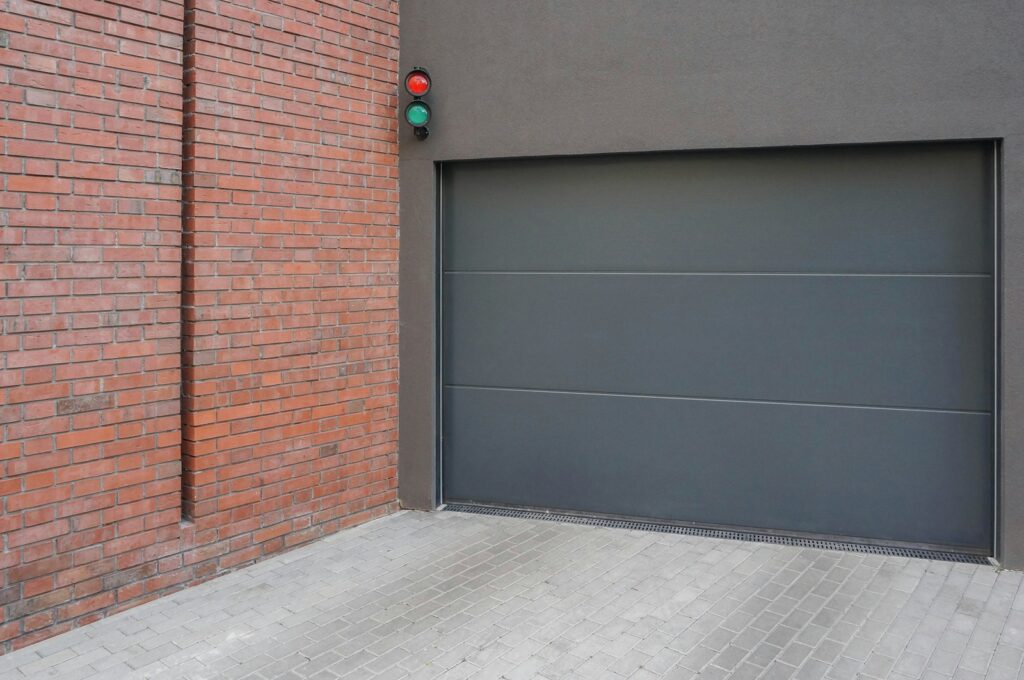
For your garage door, visible dents, frayed cables, rust, peeling paint, uneven panels, or gaps between sections signal wear that can worsen if left unaddressed. You should inspect for loose hardware, sagging springs, and worn weatherstripping-these issues often indicate failing rollers, tracks, or springs. Acting early helps you avoid safety risks and more expensive repairs down the line.
Unusual Noises
By hearing grinding, squeaking, or loud bangs during operation, you can detect worn rollers, misaligned tracks, or failing springs. You should listen during full open and close cycles to pinpoint when noises occur; persistent or sudden sounds often mean parts are under stress and need lubrication, adjustment, or replacement to prevent sudden failure.
Sluggish Movement
One sign you must not ignore is slow, jerky, or uneven movement-if your door hesitates, reverses, or binds, the opener, springs, or tracks may be failing. You should test manual operation and watch for binding along the tracks; addressing sluggish movement promptly improves safety and prolongs component life.
Indeed, when your door moves sluggishly you can perform quick checks: pull the manual release and lift the door-if it feels heavy, the springs are likely weak; if it lifts easily, the opener may be the issue. You should inspect rollers, hinges, and tracks for debris or damage, test safety sensors, avoid DIY spring replacement, and call a professional for spring or opener repairs.
Visual Indicators of Damage
There’s a lot you can spot from the curb that signals repair is needed: rusted panels, paint peeling, visible dents, gaps between sections, warped or bowed boards, frayed cables, and loose or missing hardware – each issue can compromise your door’s operation, security, and insulation if you don’t address it promptly.
Dents and Cracks
Above superficial cosmetic effects, dents and cracks can interfere with panel alignment, weather seals, and insulation effectiveness; you may notice drafts, water intrusion, or increased noise, and minor damage can often be repaired while severe deformation typically requires panel replacement to restore proper function.
Misalignment Issues
Between uneven gaps at the bottom, the door tracking off-center, sections rubbing against the frame, or the opener straining during movement, misalignment often presents as jerky motion, scraping noises, or sticking at certain points, indicating you need an immediate adjustment to avoid further damage.
Due to worn rollers, bent or loose tracks, weakened springs, or loose mounting brackets, misalignment can escalate quickly and place extra load on your opener and hardware; you should inspect rollers and tracks for debris, tighten visible fasteners, lightly lubricate moving parts, and call a professional for track straightening, spring work, or precise opener adjustments to ensure safe, lasting repair.
Functional Problems to Watch For
The functional operation of your garage door can reveal repair needs: uneven movement, slow responses to controls, loud grinding from the opener, or unexpected reversals point to worn parts, misaligned tracks, or sensor faults. You should monitor these behaviors and arrange prompt inspection, since ongoing strain degrades components and compromises daily reliability and safety.
Inconsistent Opening/Closing
Around times when your door hesitates, stops mid-cycle, or opens only partially, you likely face track obstructions, worn rollers, or opener calibration issues; you can visually inspect for debris and test manual lift resistance, but persistent inconsistency usually requires professional adjustment or part replacement to restore smooth, dependable operation.
Failing Safety Features
Beside noisy or sluggish movement, failing safety features-such as nonresponsive auto-reverse sensors or malfunctioning photo-eyes-directly threaten people and objects; you should test these systems by placing an object in the door path to ensure reversal, and disable use and call a technician if they do not function correctly.
Inconsistent sensor alignment, dirty lenses, or frayed wiring commonly cause intermittent safety failures; you can clean and realign external sensors and inspect visible wiring, but avoid internal electrical repairs-engage a qualified technician for opener diagnostics and secure restoration of your door’s protective features.
The Importance of Regular Maintenance

Despite occasional quiet spells, neglecting routine maintenance puts your garage door at risk of sudden failure, costly repairs, and safety hazards. By scheduling simple checks and basic upkeep you preserve smooth operation, extend component life, and reduce emergency service calls, allowing you to catch worn cables, misaligned tracks, or failing openers before they escalate.
Scheduled Inspections
Regular inspections every six months let you detect loose hardware, frayed cables, unbalanced doors, and opener issues early; you should visually check springs, rollers, tracks, and sensors, test the auto-reverse, and tighten fasteners so small issues don’t become major repairs.
Lubrication and Adjustments
Adjustments to rollers, track alignment, and opener force settings keep your door operating safely and quietly; you should tighten bolts, set the opener’s force and travel limits per the manual, and adjust sensors to prevent false reversals while leaving spring repairs to professionals.
A proper lubrication routine uses a silicone or lithium-based product on rollers, hinges, bearings, and the opener chain or screw applied sparingly to avoid attracting dirt; lubricate every six months, clean tracks with a dry cloth, and test door balance by disconnecting the opener-if it slams or rises unevenly, call a technician.
DIY Fixes vs. Professional Help
Unlike routine upkeep you can manage, deciding whether you should tackle a garage door problem depends on your comfort with tools, knowledge of door mechanics, and the safety risks involved; you should prioritize your safety, the cost of parts, and the potential for worsening damage before attempting repairs yourself.
When to Attempt Repairs Yourself
Against common assumptions, you can safely handle low-risk tasks like replacing remote batteries, tightening loose hardware, lubricating rollers, or realigning minor track issues if you follow the manufacturer’s instructions, use proper tools, and stop immediately if the repair feels beyond your skill or presents unexpected resistance.
When to Call a Professional
By calling a professional for high-tension spring failures, frayed cables, doors off the track, significant structural damage, or electrical faults, you protect yourself and your property, since trained technicians have the tools, training, and insurance to resolve these hazards without creating further risk or liability for you.
The risks of attempting spring, cable, or complex opener repairs yourself are substantial: torsion springs hold enormous energy that can cause severe injury, improper cable work may collapse the door, and electrical troubleshooting can lead to shocks or fire, so you should defer these tasks to a qualified technician to ensure safe, code-compliant repairs.
Cost Considerations for Garage Door Repairs
To plan repairs effectively, you should weigh immediate costs against long-term savings; addressing worn parts early often prevents larger failures, and requesting multiple estimates and clear warranties helps protect your budget.
Average Repair Costs
By knowing typical ranges you can budget: minor adjustments or sensor fixes often cost $100-$300, spring or cable repairs $150-$400, openers $200-$700, and full door replacements $700-$2,500+ depending on material and labor; always compare written quotes.
Factors Affecting Pricing
About pricing you should consider several factors:
- Door material and size
- Type and age of opener
- Extent of mechanical damage
- Parts availability and local labor rates
- Warranty coverage and emergency service fees
Recognizing these variables helps you prioritize repairs, ask the right questions, and get comparable estimates.
Average additional costs to expect include:
- Rush or after-hours service fees
- Custom hardware or insulated panels
- Disposal, site prep, or delivery charges
- Permit, HOA compliance, or diagnostic fees
Recognizing that preventive maintenance and timely repairs lower long-term expenses will help you plan and negotiate better pricing.
Final Words
Conclusively, when you hear grinding or banging, see uneven travel, notice frayed cables, experience slow or inconsistent opening, or your sensors fail to respond, prioritize repair so your door remains safe and dependable; addressing these signs promptly protects your vehicle, property, and reduces the risk of costly emergency replacements.