
Common Electrical Problems Found in Houses

Problems such as outdated wiring, overloaded circuits, faulty outlets, and poor grounding can create fire and shock hazards that affect your home’s safety and functionality. You should know how to spot flickering lights, tripped breakers, burning smells, and warm switches, and when to call a licensed electrician to diagnose and fix issues properly to protect your family and property.
Understanding Electrical Circuits
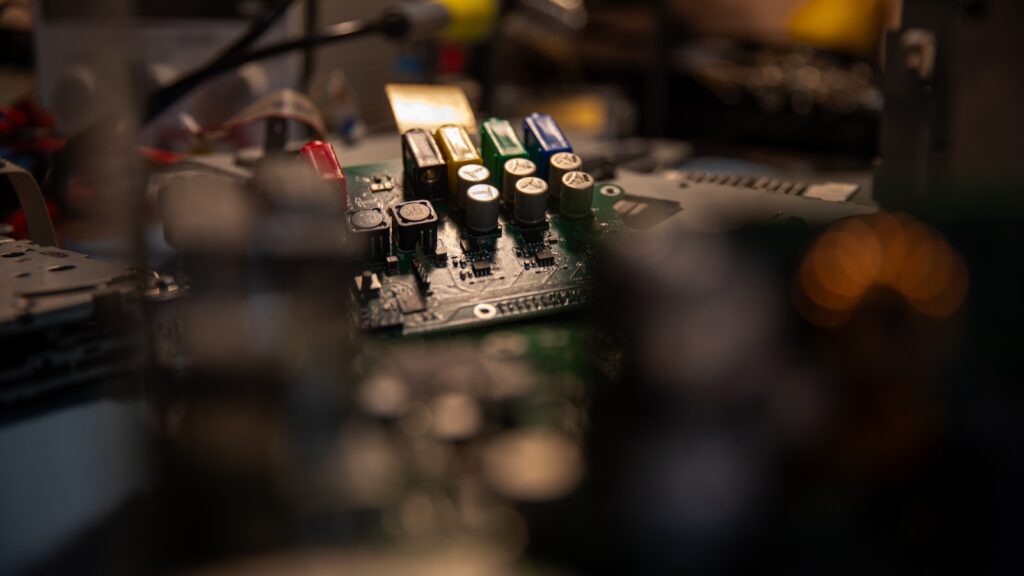
Before you touch wiring or trace a fault, understand that circuits move electrical energy from the service panel through hot conductors to loads and back via neutral; breakers, fuses, and grounding protect you and your home by interrupting or redirecting current when abnormal conditions occur.
Basic Components of Electrical Systems
Among the parts you should know are the service meter and panel, circuit breakers or fuses, hot and neutral conductors, grounding conductors, switches, receptacles, and loads like lights and appliances; each component supports safe delivery and control of power within your home.
How Electrical Circuits Function
Before you attempt diagnostics, keep in mind that a functioning circuit needs a complete path: current flows from the panel on the hot conductor, passes through the load, and returns on the neutral, while the grounding conductor provides a safety route for fault current and helps reduce shock risk.
But you should also understand practical behaviors: parallel circuits keep other devices powered when one load fails, voltage drop increases with long runs or undersized wiring, loose connections create heat and intermittent faults, and shared neutrals or overloaded breakers are common sources of household problems you may need to address professionally.
Frequent Electrical Issues
While many issues seem minor, frequent electrical problems indicate faults you should address promptly; overloaded circuits, loose connections, aging wiring, and outdated panels increase fire and equipment-damage risk. You can spot warning signs like burning odors, discolored outlets, persistent breaker trips, or widespread flicker. Have a licensed electrician inspect and repair suspected faults rather than attempting uncertain DIY fixes.
Flickering Lights
Below you may assume a bad bulb, but flickering lights often stem from loose sockets, dimmer incompatibility, voltage fluctuations, or wiring faults. If flicker occurs across multiple rooms or worsens when appliances run, shut off affected circuits and contact an electrician to diagnose and secure connections or upgrade components to protect your fixtures and electronics.
Circuit Breaker Tripping
One common cause of repeated breaker trips is circuit overload, a short, or a ground fault; occasional resets are acceptable after switching off connected devices, but persistent trips require professional testing to locate faulty wiring, malfunctioning breakers, or improper loads to avoid overheating and fire.
Another useful step is to map and label circuits, keep heavy appliances on dedicated lines, and inspect panel connections for corrosion or looseness; if breakers feel warm or emit burning smells, stop using the circuit and call a licensed electrician to test for bad breakers, load imbalance, or hidden faults.
Overloaded Circuits
You may experience frequent breaker trips, dimming lights, warm outlets, or a persistent buzzing when a circuit is overloaded; these symptoms mean too many devices are drawing power from the same line, which can shorten appliance life and increase fire risk, so you should limit simultaneous high-draw use and consult an electrician for capacity assessment and corrective work.
Signs of Circuit Overload
After you run multiple appliances and notice flickering lights, tripping breakers, warm or discolored outlets, burning odors, or inconsistent appliance performance, these are strong indicators your circuit is overloaded and needs prompt evaluation by a qualified professional.
Prevention and Solutions
After detecting overload signs, you should unplug nonimperative devices, redistribute loads to different circuits, avoid heavy appliances on extension cords, and arrange for an electrician to install dedicated circuits, upgrade the panel, or replace aging components to restore safe capacity.
With a professional load calculation and panel inspection, you can have breakers upgraded, arc-fault and ground-fault protection installed, old wiring replaced, and additional circuits added as needed; keep your breaker panel labeled so you and a technician can quickly isolate and fix issues to maintain safe electrical service.
Outdated Wiring
Unlike modern wiring, older systems in your home may use cloth insulation, knob-and-tube runs, or aluminum conductors and often lack proper grounding; you should treat these features as indicators of increased heat, arcing potential, and incompatibility with today’s appliance loads, which raise the likelihood of fires and shocks.
Identifying Old Wiring Systems
Beside visible cloth sheathing or knob-and-tube bundles, you can identify old wiring by two-prong outlets, a fuse box instead of breakers, discolored or warm outlet covers, flickering lights, and a musty or burnt odor; checking your panel for missing grounding and loose connections helps you decide if an electrician is needed.
Risks Associated with Outdated Wiring
Outdated wiring exposes you to higher chances of electrical fires from arcing or overheated connections, increases shock risk from ungrounded circuits, can damage sensitive electronics, and may leave you noncompliant with current codes, affecting safety inspections and insurance coverage.
And when you discover these risks, engage a licensed electrician for testing, consider replacing aluminum or deteriorated wiring, install GFCI/AFCI protection and proper grounding, and weigh targeted upgrades versus full rewiring to secure your home and meet modern standards.
Faulty Outlets and Switches
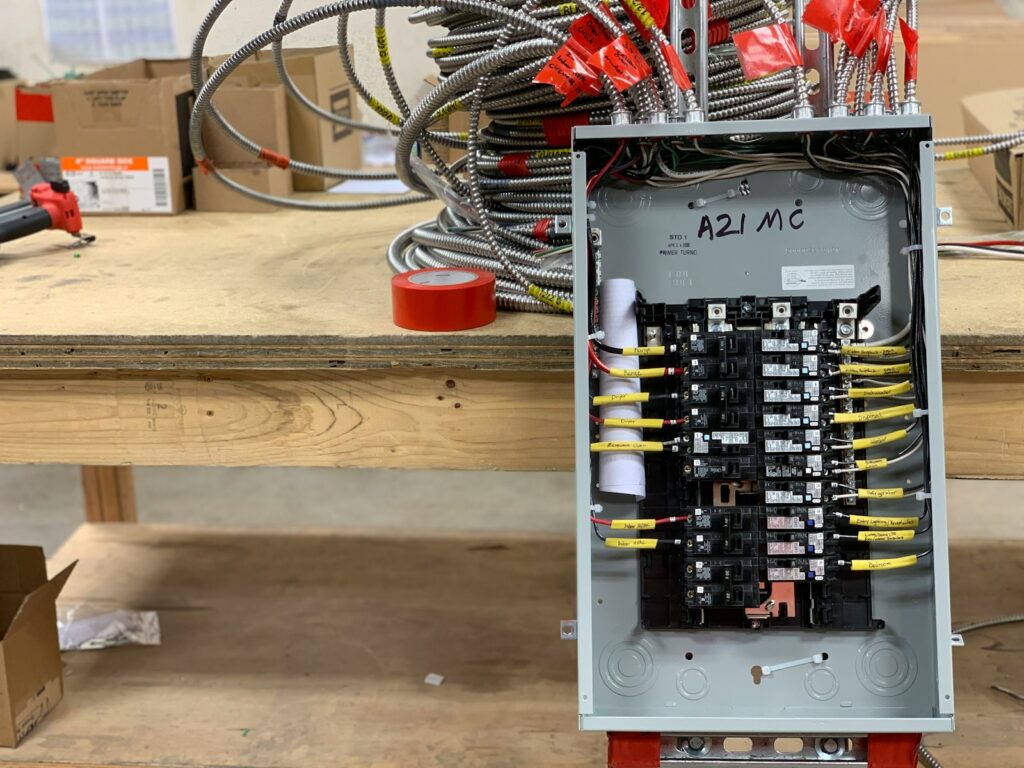
Not all flickering lights or warm faceplates are minor-when you notice these signs, they often indicate worn wiring, loose connections, or aging devices that increase fire risk; have a qualified electrician inspect your outlets and switches to keep your home safe and ensure reliable operation.
Symptoms of Faulty Outlets
Behind a faceplate you may find loose wires, burned contacts, or faulty internal components; if you experience frequent sparking, intermittent power, buzzing noises, or a tingling sensation when you touch a device, stop using that outlet and arrange an inspection promptly.
Repairing or Replacing Outlets
Faulty outlets can often be repaired by replacing the receptacle, tightening connections, or updating grounding; if your outlet is cracked, scorched, or lacks grounding, you should have it replaced and consider installing GFCI or AFCI protection to meet modern safety standards.
In fact, replacing an outlet is usually straightforward for a qualified professional: they will shut power, verify the circuit, swap the defective device, and restore proper grounding; if you encounter persistent arcing, outdated cloth wiring, or multiple failures, you should hire a licensed electrician for full repair or rewiring to protect your home.
Grounding Issues
Keep your home’s grounding system in good condition to prevent shock hazards and reduce fire risk; poor or missing grounding allows stray voltage to damage electronics and create unsafe metal surfaces. You should have older homes inspected and ensure grounding conductors and rods are intact, properly connected, and free of corrosion to protect occupants and equipment.
Importance of Proper Grounding
With proper grounding, fault currents are directed safely to earth so protective devices trip quickly, protecting you, your family, and appliances. You benefit from stabilized voltage, reduced interference, and lower risk of electrical noise affecting sensitive equipment. Ensure ground connections at the panel and outlets are continuous and bonded to water pipes or a ground rod where code requires it.
Identifying Grounding Problems
One common sign of poor grounding is equipment that shocks you or outlets that produce a tingling sensation; other indicators include persistent tripped breakers, flickering lights, burn marks, two-prong ungrounded outlets, and inconsistent voltage readings. You may also notice a buzzing sound near panels or appliances. These symptoms warrant prompt testing and corrective action.
Understanding how to spot grounding faults helps you take appropriate action: use a three-light outlet tester or multimeter to check continuity between hot, neutral, and ground; inspect for loose or corroded ground wires at outlets and the service panel; verify the ground rod connection outside. If tests fail or you are unsure, hire a licensed electrician to perform repairs and bonding.
To wrap up
To wrap up, you should monitor common issues like flickering lights, tripped breakers, outdated wiring, arcing or buzzing outlets and loose switches; addressing them promptly reduces fire hazards and protects your appliances, and you should engage a licensed electrician for persistent faults, panel upgrades, or grounding concerns to keep your home safe and code-compliant.