
Basic Electrical Safety Tips for Homeowners
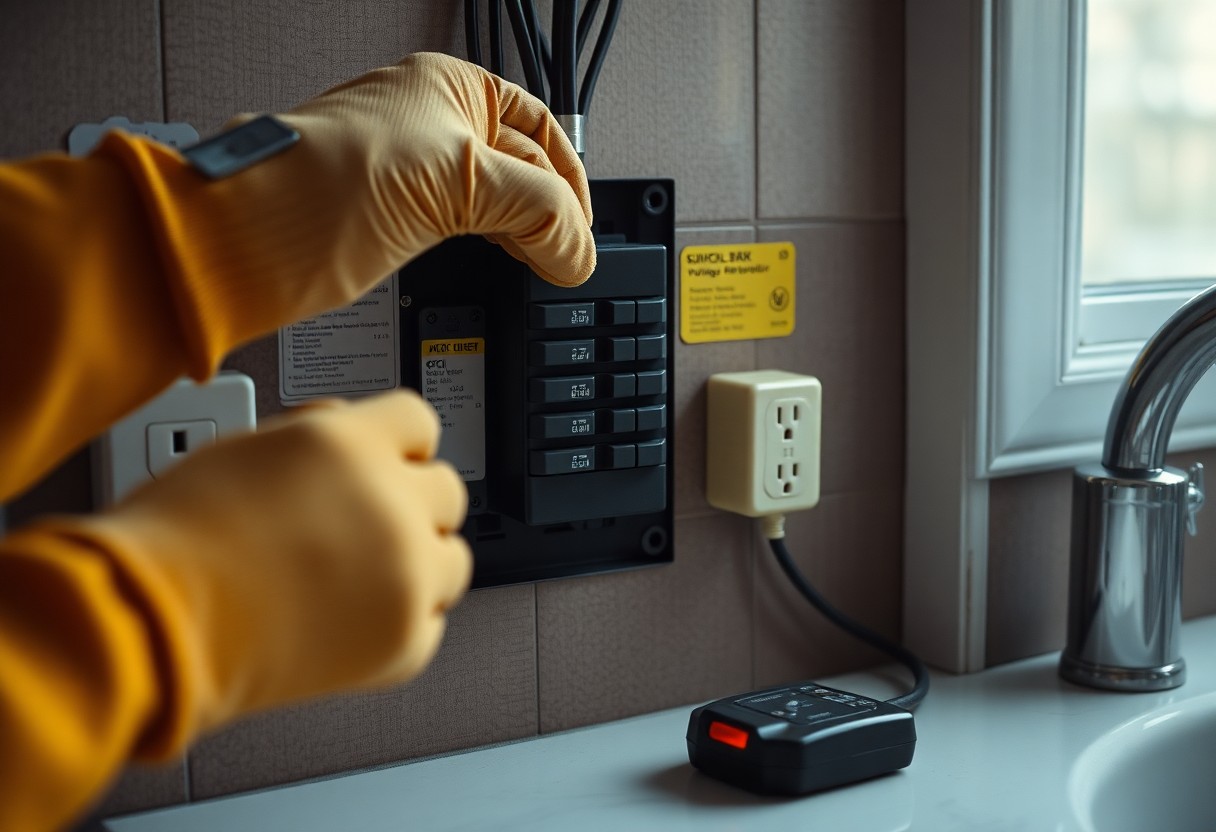
You should prioritize basic electrical safety to protect your home and family: inspect cords for damage, avoid overloaded outlets and extension cords, install ground-fault circuit interrupters in wet areas, keep water away from devices, use proper bulbs and fixtures, and hire a licensed electrician for repairs or upgrades.
Understanding Electrical Hazards
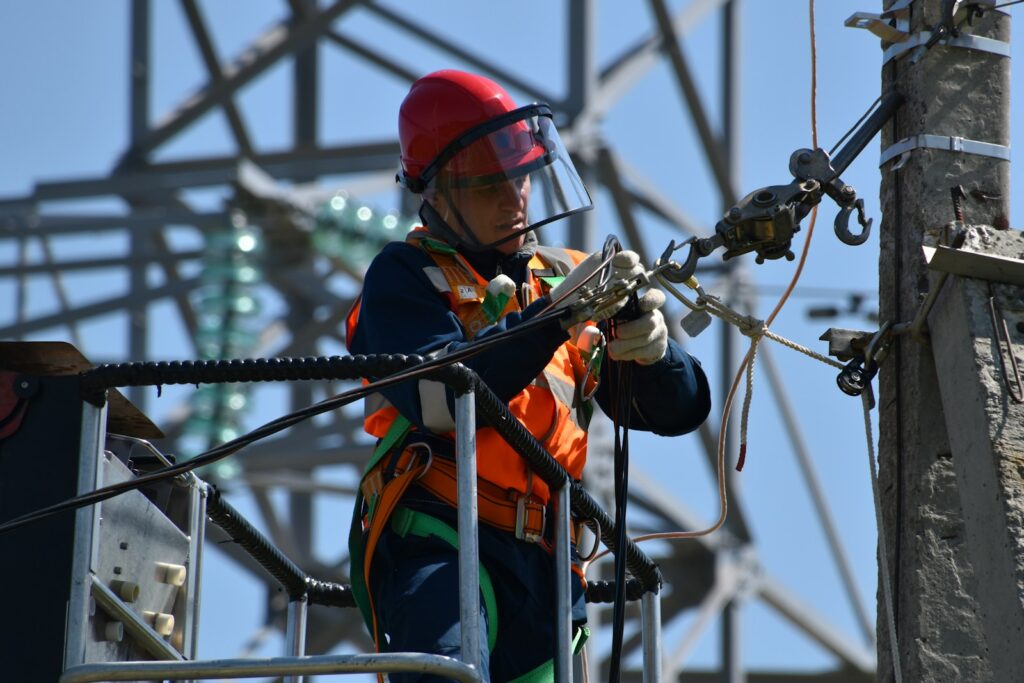
A single overloaded circuit or damaged insulation can create fire and shock risks; you should treat electrical systems with care, inspect outlets and cords for wear, and avoid DIY work beyond basic tasks. If you notice frequent breaker trips, unusual odors, or scorch marks, shut off power to the area and contact a licensed electrician promptly.
Common Electrical Hazards in the Home
Electrical hazards in the home include frayed cords, overloaded power strips, outdated or DIY wiring, exposed conductors, and outlets near water; you should avoid running cords under rugs, using damaged plugs, or relying on permanent extension solutions, and install GFCIs where moisture is present.
Signs of Electrical Issues
An intermittent flicker, persistent breaker trips, warm or discolored outlets, buzzing or crackling sounds, or a tingling sensation when touching appliances are signs you should not ignore; these often indicate loose connections, overloaded circuits, or grounding problems that need professional evaluation.
Hazards such as visible sparks, a burning smell, smoke, or scorch marks around switches and outlets signal arcing or insulation failure; you should unplug affected devices, avoid using the circuit, and arrange for an electrician to diagnose and repair the fault to prevent fire or shock.
Basic Electrical Safety Tips
Even if you feel confident around household wiring, you must follow basic safety measures to protect yourself and your home.
- Always shut off the circuit and verify power is off before you work.
- Keep outlets dry, use GFCIs where water is present, and cover unused sockets to protect children.
- Use the correct-rated fuses, breakers and cords for your appliances and avoid overloading circuits.
After any task, test the circuit and restore covers so your system remains safe.
General Safety Practices
Against common complacency, you should treat every unknown wire as live, keep a safe distance from fallen lines, avoid working alone on electrical tasks, and call a licensed electrician for complex jobs; you should also keep a fire extinguisher rated for electrical fires accessible and label your breaker panel clearly.
Use of Proper Equipment
Tips for you: always use insulated tools rated for electrical work, wear rubber-soled shoes and protective gloves when appropriate, choose cords and extension leads with adequate capacity, and deploy GFCIs in wet areas to reduce shock risk.
Practices you should adopt include testing your voltage detector regularly, replacing damaged insulation immediately, matching cord ampacity to appliance draws, storing spare fuses of the correct type, and consulting product manuals so you use grounded plugs and adapters correctly.
Working with Electrical Outlets
While outlets give convenient power, you must inspect them regularly for loose cover plates, scorch marks, discoloration, or warmth; replace cracked receptacles, keep plugs fully inserted, use tamper-resistant outlets around children, avoid running cords under rugs, and hire a licensed electrician for persistent arcing or frequent breaker trips.
Safe Outlet Usage
An outlet should serve devices within its rating: plug appliances directly when possible, use a single power strip per outlet without daisy-chaining, choose GFCI or AFCI-protected receptacles for kitchens, bathrooms, and bedrooms, and replace outlets that spark, feel hot, or emit a burning odor.
Recognizing Overloading Risks
Between multiple high-wattage appliances, long extension runs, and aging wiring, you can overload circuits; watch for frequent breaker trips, dimming lights, buzzing outlets, or warm receptacles and reduce loads or move appliances to different circuits immediately.
Working out circuit capacity helps you avoid overloads: check the breaker amperage (commonly 15A or 20A), multiply by voltage to estimate watt capacity, spread heavy loads like space heaters or microwaves across separate circuits, do not use extension cords for continuous loads, and call an electrician if you smell burning, see scorch marks, or experience repeated trips.
Circuit Protection and Breakers
For safe home electrical systems, you should keep your breaker panel accessible and labeled, avoid overloading circuits, and have a licensed electrician inspect or replace worn breakers and panels to reduce fire and shock hazards.
Understanding Circuit Breakers
Behind each breaker is a device that interrupts power when current exceeds safe levels; you should learn which breakers control which areas, reset tripped breakers only after unplugging affected devices, and call a professional if trips are frequent or if the panel feels warm.
Importance of GFCI Outlets
Breakers protect against overloads, but you need GFCI outlets to guard against ground faults near water; install them in kitchens, bathrooms, garages, and outdoors, test them monthly, and replace ones that fail to keep your household safe.
Due to their fast-acting sensors, GFCIs detect tiny imbalances and shut off power in milliseconds when leakage occurs, protecting you where standard breakers cannot; have an electrician add or evaluate GFCI protection for sinks, showers, and outdoor circuits to meet code and enhance safety.
Home Electrical Maintenance
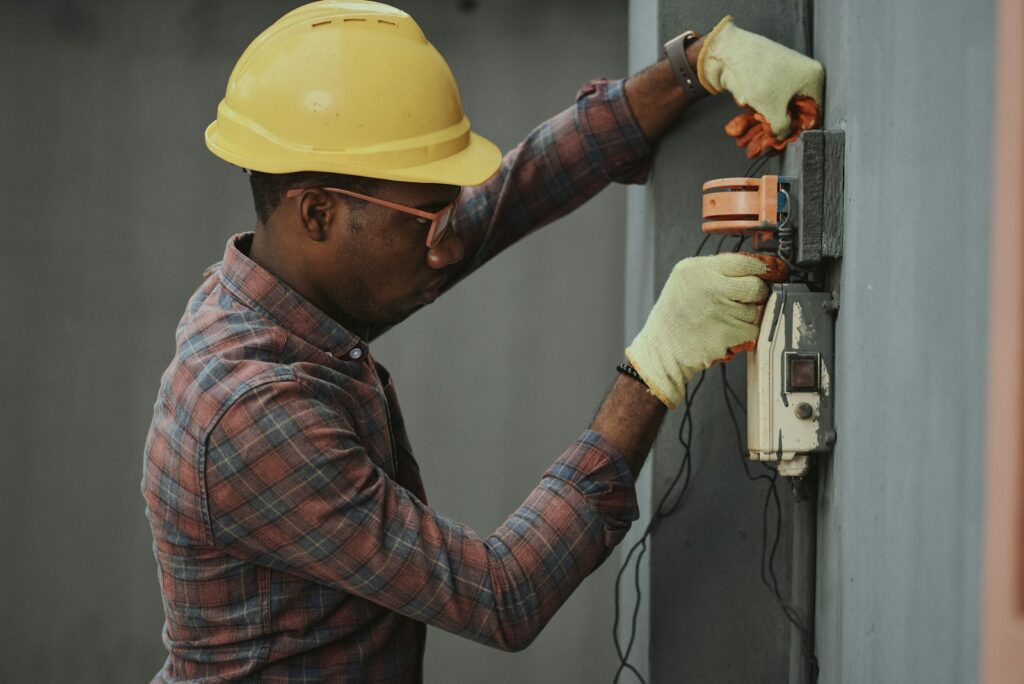
To protect your home and your family, follow a simple maintenance routine: keep vents and panels clear, replace frayed cords, avoid using overloaded power strips, and test safety devices like GFCIs and smoke alarms so you catch issues early and reduce risk.
Regular Inspections
Above, make it a habit to inspect outlets, switches, and the breaker panel for warmth, burning smells, or flickering lights, check extension cords for damage, and log any irregularities so you can address them before they escalate.
Professional Help
An experienced, licensed electrician should handle wiring upgrades, complex diagnostics, and any work that requires permits; you should verify credentials, ask for references, and obtain written estimates before authorizing work.
Plus, when you hire a professional, they can perform load calculations, prioritize repairs, recommend cost-effective upgrades, and provide documentation that supports safety, resale value, and insurance claims for your home.
Emergency Preparedness
Your emergency plan should list shutoff locations, utility numbers, and a clear evacuation route so you can act quickly during electrical incidents. Know how to turn off the main breaker and gas if necessary, store flashlights and a battery-powered radio in an accessible kit, and ensure everyone in your household knows meeting points and role assignments. Practice drills and regular reviews will keep your procedures effective and reduce panic when power-related hazards occur.
Responding to Electrical Emergencies
Between a visible spark and the smell of burning insulation, you must act decisively: if you can safely reach the breaker, shut off power; otherwise evacuate everyone, call emergency services, and keep bystanders away. If someone is electrocuted, do not touch them while they remain in contact with live wiring-use a dry, non-conductive object to separate them only after power is off, then provide first aid and wait for professionals.
Creating a Safety Plan
Electrical household plans should map your service panel, label circuits, and note the location of the main shutoff so you can isolate hazards quickly. Assign roles for who turns off power, who calls utilities and who assists vulnerable household members; include contact numbers, flashlight locations, and the location of fire extinguishers. Review the plan with everyone, update it after renovations, and practice the steps so you act calmly during an emergency.
For instance, create a one-page emergency checklist you keep near the breaker: list your utility and emergency contact numbers, the location of the meter and main shutoff, where spare keys and flashlights are stored, and step-by-step actions for fires or shocks. Include a note about pets, medication needs, and a designated outside meeting spot so you and your household can reunite quickly and coordinate with first responders.
Final Words
Considering all points, you should prioritize simple habits to keep your home safe: test smoke detectors, replace damaged cords, avoid overloaded outlets, and shut power before DIY work. Trust professional electricians for wiring updates or when you detect sparks, burning odors, or frequent breaker trips. By staying attentive and addressing issues promptly, you protect your household and reduce risk.