
Why Garage Doors Stop Opening or Closing

Many homeowners discover that a garage door failure is often caused by worn springs, misaligned tracks, faulty sensors, dead remotes, or opener motor issues; you should inspect visible hardware, test safety sensors, check the opener light and remote batteries, and listen for unusual noises to diagnose the problem. If you lack tools or the problem involves springs or wiring, call a qualified technician to avoid injury and ensure reliable repair.
Common Causes of Garage Door Malfunctions
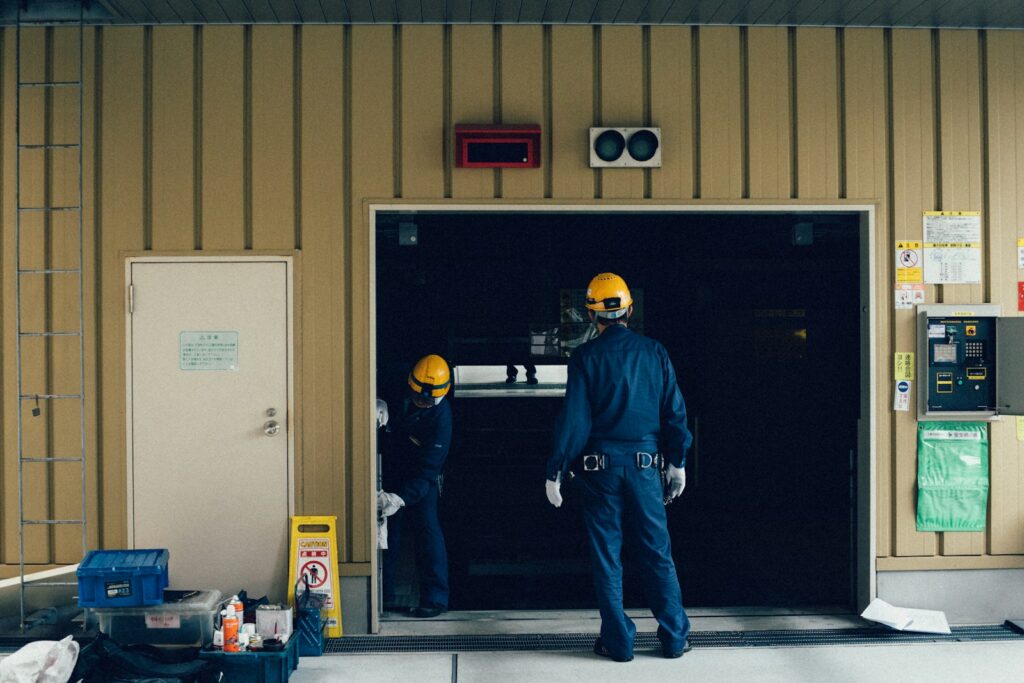
A variety of mechanical, electrical, and environmental issues can stop your garage door from opening or closing properly, so you should check the opener power and remotes, springs and cables, rollers and tracks, safety sensors, and signs of water or impact damage to narrow down the fault.
Obstructed Sensors
For obstructed sensors, you should inspect and clean the sensor lenses, remove dirt, cobwebs, or objects blocking the beam, ensure the sensors are aligned and securely mounted, and test the door after clearing to confirm the sensors allow proper closing and reversing behavior.
Damaged Tracks
Before blaming the opener, you should examine your tracks for bends, dents, debris, or loose brackets that cause the door to bind or derail; minor debris can be cleared, but bent or misaligned tracks often require professional straightening or replacement to restore smooth operation.
Causes of damaged tracks include vehicle impacts, corrosion from moisture, foundation settling, and wear from heavy use; you should look for uneven gaps, squealing rollers, or visible warps, stop operating the door if you spot damage, and arrange a qualified technician to repair or replace affected track sections and inspect rollers and hardware.
Mechanical Failures
While mechanical components age and wear, they can bind, misalign, or seize, preventing your garage door from opening or closing properly. You should inspect rollers, tracks, hinges, and cables for bends, debris, or looseness; small issues often escalate into failures that affect balance and safety. If you detect frayed cables, warped tracks, or wobbling during operation, you should stop using the door and call a professional to avoid injury and further damage.
Broken Springs
Along with bearing the door’s entire weight, torsion or extension springs can snap after repeated cycles, leaving your door heavy and immovable. You should avoid attempting a DIY repair because springs store lethal tension; instead secure the door and contact a trained technician to replace them and rebalance the system to restore smooth, safe operation.
Faulty Garage Door Opener
Beside worn hardware, a failing opener-due to motor burnout, gear wear, or electronic faults-can stop responding or run intermittently, leaving you stranded. You should check power supply, safety sensors, and remote batteries, and listen for unusual noises that indicate internal gear or motor problems; professional inspection often reveals whether repair or replacement is the safest option.
Door opener issues often involve misaligned sensors, faulty limit switches, or damaged drive components; you should verify sensor alignment and cleanliness, test the manual release, and observe travel limits to determine whether adjustments are possible. If the opener emits grinding sounds, overheats, or fails to engage consistently, you should replace worn gears or the entire unit to restore reliability and prevent sudden failures.
Electrical Issues
One electrical fault can stop your garage door opener by interrupting control signals, tripping safety sensors, or causing the motor to lose power; inspect wiring, sensors, and circuit breakers, and test the opener on a stable power source to isolate the issue.
Power Supply Problems
Any interruption in power-blown fuse, tripped breaker, loose wiring, or unreliable outlet-prevents your opener from operating; you should check breakers, test the outlet with another device, and secure connections or use a dedicated circuit if intermittent power is the cause.
Remote Control Malfunctions
Behind many nonresponsive doors is a simple remote failure-weak batteries, signal interference, or mispaired remotes; you should replace batteries, reprogram the transmitter, and minimize nearby RF sources to restore reliable operation.
Supply issues can extend beyond batteries: if you suspect receiver or antenna damage, test the wall switch to confirm the opener works, inspect and clean transmitter contacts, verify rolling-code programming via the opener’s learn button, and consider replacing the remote or receiver module if range and pairing problems persist.
Weather-Related Concerns
To keep your garage door functioning during bad weather, you should inspect seals, lubricate moving parts, and check alignment often, since moisture, ice, and wind can warp panels, freeze tracks, or overload the opener, causing stalls or uneven travel.
Temperature Effects
The following summarizes how temperature extremes affect your door and its components.
Temperature Effects Summary
| Condition | Effect on your door |
|---|---|
| Cold | Lubricants thicken, seals stiffen, springs lose tension, causing sluggish movement or failure to open. |
| Heat | Materials expand, seals soften, and electronics may overheat, leading to misalignment or intermittent opener faults. |
Accumulation of Debris
To avoid jams you should regularly remove dirt, leaves, and gravel from tracks, rollers, and sensors, because debris can block movement, trigger safety reversals, and strain the opener.
Further, inspect and clear the bottom seal and rollers weekly; even small grit accelerates wear on bearings and tracks, increases friction, and reduces the lifespan and reliability of your door system.
Maintenance Tips for Prevention
Your proactive maintenance keeps your garage door reliable: perform basic checks monthly and address wear early.
- Inspect tracks and rollers for debris or damage
- Test auto-reverse and safety sensors
- Check door balance and spring tension
- Tighten hardware and track fasteners
- Keep opener and remote batteries fresh
Recognizing signs of uneven movement, grinding noises, or slow response helps you schedule repairs before failures occur.
Regular Inspections
On a monthly basis, you should inspect tracks, rollers, cables, springs, and hardware for wear or looseness, test the auto-reverse by placing a block in the door’s path, and verify sensors are aligned and clean; document issues so you can address them promptly or call a professional for spring or cable repairs.
Lubrication of Moving Parts
Prevention through regular lubrication extends your door’s life: apply a silicone-based or lithium spray to rollers, hinges, bearings, and the opener chain every six months, avoid grease on tracks, and wipe away excess to keep movement smooth and reduce strain on the opener.
Inspections will show where lubrication is needed: when you see squeaks, visible rust, or stiff movement, apply a light silicone or white lithium spray to metal rollers, hinges, and bearings, avoid oil on nylon rollers or sensors, work lubricants into pivot points, and run the door several cycles to distribute lubricant evenly.
When to Call a Professional
Many signs indicate you should call a professional: loud grinding, snapped springs, frayed cables, an opener that won’t respond, uneven or jerky movement, or safety sensors failing. If you lack the proper tools, if the door’s weight or spring tension concerns you, or if repairs may affect your warranty, have a technician diagnose and fix the problem to protect your safety and property.
Identifying Complex Issues
Above all, complex problems like broken torsion springs, bent tracks, motor or circuit-board failures, and damaged cable drums require professional diagnosis because you may not have the expertise or tools to safely disassemble, measure spring tension, or realign components; a technician will locate the root cause, prevent further damage to your opener or door, and recommend a reliable repair plan.
Safety Considerations
Below, understand that garage doors are heavy and springs store extreme tension, so attempting repairs without experience exposes you to severe injury, door collapse, or electrical shock; you should disconnect power before simple checks, keep children and pets away, and call a trained technician for any spring, cable, or motor work you cannot confidently perform.
This means the professional will secure the door, use proper winding bars and lifting equipment, test balance and safety sensors, inspect and replace worn parts with manufacturer-approved components, provide a written estimate and warranty, explain the risks and maintenance to you, and ensure repairs meet local codes and safety standards.
Conclusion
Presently your garage door may stop opening or closing because of power loss, dead remote batteries, misaligned safety sensors, damaged springs or cables, worn rollers or tracks, or a faulty opener or limit switch; you should check power and sensors, clear obstructions, test controls, and engage a qualified technician for spring, cable, or motor repairs to prevent injury.