
How Residential Garage Door Systems Work

Most homeowners rely on a system of springs, cables, rollers, tracks, and an opener motor to move and secure your garage door; understanding how torsion or extension springs counterbalance the door, how rollers and tracks guide its motion, and how sensors and automatic openers control operation helps you diagnose issues and plan maintenance to keep your door safe and functional.
Components of Garage Door Systems

While your garage door depends on panels and tracks for movement, other components work together: springs counterbalance weight, rollers travel the tracks, cables link springs to the door, sensors prevent unsafe closure, and the opener supplies power and control, so you can diagnose issues and plan maintenance with confidence.
Door Types
About common door styles, sectional doors bend on tracks for compact overhead storage, roll-up doors coil vertically to maximize space, tilt-up panels pivot out as a single piece, carriage-style doors offer a swing-like aesthetic, and side-hinged units open outward like traditional doors. Thou should choose the style that fits your site, budget, and insulation needs.
- Sectional – panels on tracks for good insulation
- Roll-up – coils into a drum to save interior space
- Tilt-up – single-panel pivot for simple mechanics
- Carriage – swing-style look with modern lift
- Side-hinged – traditional swing access without an opener
| Sectional | Panel segments on tracks; you get solid insulation and clearance |
| Roll-up | Coils into a drum; you maximize overhead space |
| Tilt-up | Single panel that pivots; you benefit from fewer moving parts |
| Carriage | Swinging appearance with updated hardware; you gain curb appeal |
| Side-hinged | Opens outward like a door; you have quick pedestrian access |
Opener Mechanisms
The main opener types are chain-drive, belt-drive, screw-drive, and direct-drive units, and you operate them via remotes, wall controls, or smart systems while built-in sensors protect people and vehicles during operation.
Consequently, you should evaluate noise level, speed, horsepower, drive type, battery backup, and smart features when selecting an opener to ensure reliable, safe, and convenient daily use.
Operation Mechanisms
Some garage doors rely on a coordinated system of springs, cables, rollers, tracks and an opener to move smoothly; torsion or extension springs store and release energy to counterbalance the door while the opener’s motor and drive (belt, chain or screw) supply controlled motion, and the track and rollers guide the panels so you experience steady, reliable operation.
Manual vs. Automatic Operation
After you disengage the opener with the emergency release, you can lift the door manually using balanced springs and handles; with the opener engaged, a remote or wall switch drives the motor and you benefit from conveniences like timer-to-close, smartphone control and battery backup that keep your door operable during power loss.
Safety Features
By using photoelectric sensors, edge sensors and auto-reverse mechanisms, your door detects obstacles and immediately stops or reverses to prevent injury or damage; force adjustment, rolling code remotes and pinch-resistant panel designs further protect you while manual release and safety decals guide safe operation.
Automatic safety systems self-test and you should perform monthly checks: align sensors, verify auto-reverse by obstructing the path, test keypad and remote security features, inspect cables and springs for wear, and adjust force limits so your door stops reliably without excess pressure on people or property.
Installation Process
It walks you through site assessment, component selection, assembly, wiring, balancing, and final testing so your new garage door operates smoothly and safely; you follow manufacturer specifications and verify alignment and opener settings before completing the job.
Preparation and Measurements
Behind thorough preparation you clear the work area, confirm header and jamb conditions, measure door width, height, and headroom, verify electrical access, and assemble compatible hardware and tools so your installation proceeds efficiently.
Step-by-Step Installation
Between assembling tracks and mounting the opener, you install brackets and rollers, fit panels, attach springs or cables, balance the door, and connect and program the opener, testing manual and powered operation at each stage.
| Step-by-Step Tasks | |
|---|---|
| Track and Hardware | Align and secure tracks, install rollers and hinges |
| Panels | Stack and fasten panels, seal edges |
| Springs/Cables | Install and pre-tension springs or cables with care |
| Opener | Mount, wire, and program the opener and safety sensors |
| Initial Tests | Check balance, travel limits, and auto-reverse function |
Considering safety and long-term performance, you make incremental spring adjustments, torque hardware to spec, set opener force and limit switches, lubricate moving parts, and perform multiple cycle tests to confirm smooth, quiet operation.
| Adjustment & Testing | |
|---|---|
| Spring Tension | Adjust gradually until door balances at mid-stroke |
| Opener Settings | Set travel limits and force; program remotes and sensors |
| Lubrication | Apply lubricant to rollers, hinges, and springs where recommended |
| Final Inspection | Verify fasteners, safety features, and smooth operation |
Maintenance and Troubleshooting
Unlike other home systems, garage doors combine mechanical, electrical and safety components that need periodic checks; you should inspect fasteners, rollers, springs, tracks and sensors, test the opener and balance, and keep moving parts lubricated to ensure smooth operation and safe performance.
Regular Maintenance Tips
Against neglect, you should schedule simple tasks monthly or quarterly to extend your system’s life; check sensor alignment, test auto-reverse, tighten hardware, and lubricate rollers and hinges. Recognizing unusual sounds, slow travel, or wobble lets you address problems early.
- Inspect and tighten brackets, bolts, and rollers
- Lubricate hinges, rollers, and springs with recommended products
- Test sensor alignment and auto-reverse operation
- Check balance and call a pro for spring issues
- Replace remote batteries and worn weatherstripping
Common Issues and Solutions
Issues often include misaligned sensors, broken springs, worn cables, noisy rollers, and opener failures; you can realign sensors, replace remotes and batteries, tighten hardware, and lubricate parts, but never attempt spring replacement yourself-hire a trained technician for high‑tension components.
Even when you can fix minor problems, prioritize safety: disconnect power before adjustments, test the auto‑reverse with a 2×4, avoid DIY spring work, and document changes so you or a pro can track recurring faults.
Upgrades and Customization
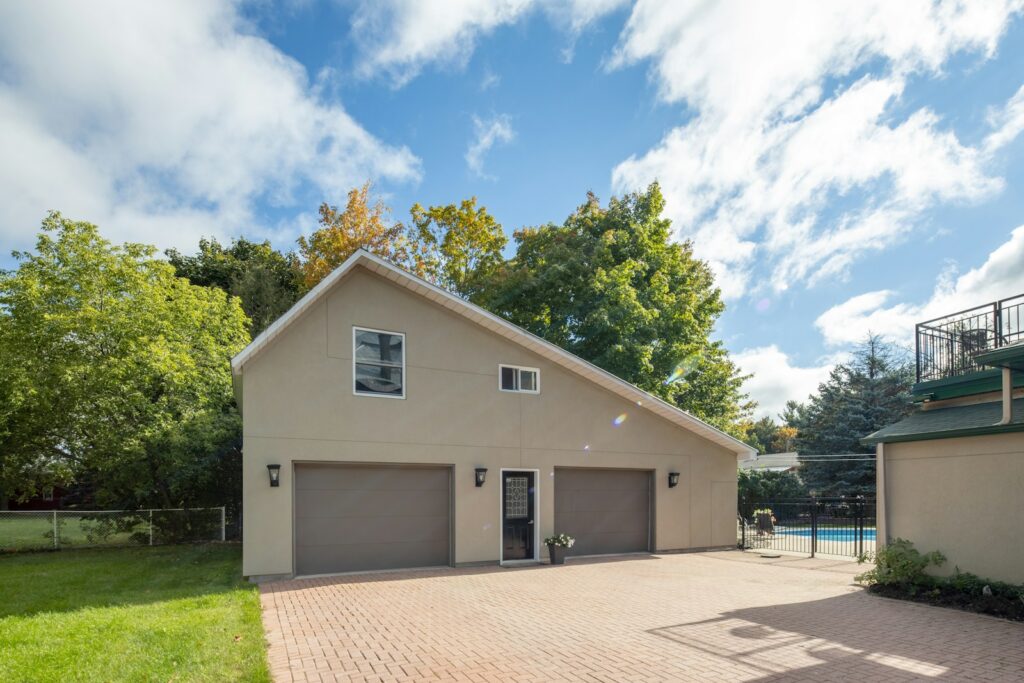
All upgrade choices let you tailor your garage door system to your lifestyle, boosting security, convenience, and longevity; you can opt for stronger springs, insulated panels, smart openers, battery backups, and advanced sensors to improve performance and safety while matching your budget and maintenance preferences.
Modern Opener Technologies
Technologies such as belt-drive and brushless DC openers, variable-speed motors, and integrated Wi‑Fi give you quieter, smoother operation and smarter control; features like smartphone access, encryption, geofencing, and battery backup enhance convenience and security for your daily routines.
Aesthetic Enhancements
Against plain, factory-style doors, aesthetic enhancements let you express your taste and raise curb appeal by selecting window layouts, faux-wood finishes, paint colors, decorative hardware, and panel styles so your door complements your home’s character.
Plus, when choosing finishes you should weigh durability, maintenance, and insulation: steel with powder coat resists weather, composite mimics wood with less upkeep, and insulated panels improve energy efficiency and resale value-match materials and hardware to your home’s architecture and consult a professional for proper installation and fit.
Safety Standards and Regulations
Now you must understand that residential garage door systems are governed by safety standards and regulations protecting users, technicians, and property; these rules mandate sensors, auto-reverse force limits, mechanical guards, and emergency release features, and you should verify your door, opener, and installer comply with current ANSI/UL standards and applicable local codes to minimize risk and liability.
Industry Standards
Before you buy or install a garage door system, check compliance with ANSI/UL standards, manufacturer specifications, and best-practice installation guidelines; you should confirm photoelectric sensors, edge sensors, force settings, and labeled parts meet test standards and that the installer documents compliance for warranty and safety.
Local Regulations
Across your city or county, building codes and permitting requirements can add mandatory inspections, wind-load ratings, energy-efficiency criteria, or historic-district restrictions, so you need to consult local code officials and secure permits before major replacements to avoid fines and ensure legal compliance.
Local building departments often require permits, final inspections, and documentation of safety features; you should provide product labels, installation records, and proof of compliance with wind-load or energy codes, and coordinate with homeowners association rules that may limit materials, colors, or operation methods.
To wrap up
With these considerations, you can see that residential garage door systems rely on springs, cables, rollers and tracks balanced with an automatic opener and safety sensors; by maintaining tension, lubricating moving parts, testing sensors, and addressing wear promptly, you keep your door operating smoothly, safely and reliably.