
How Weather Damage Affects Roofing Systems
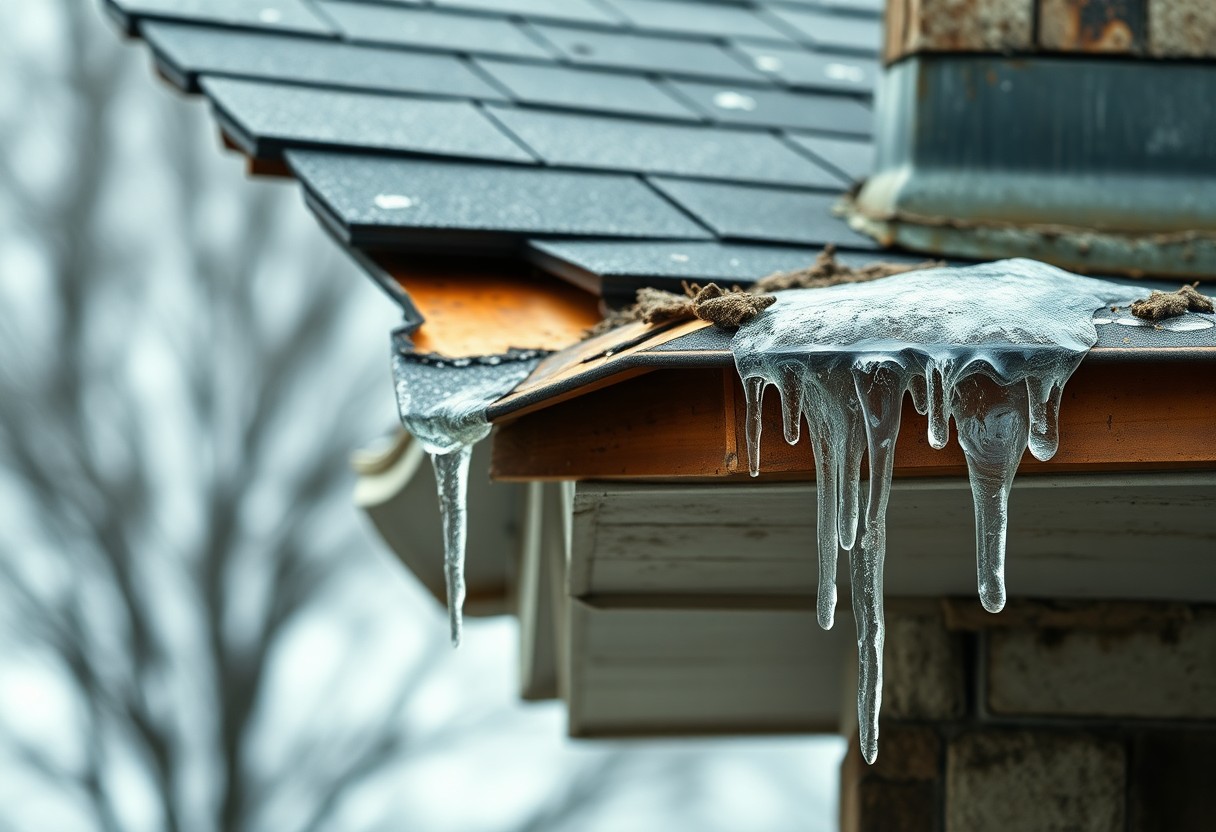
Weather drives wear and deterioration on your roofing system: wind tears and lifts shingles, hail dents and fractures materials, UV radiation degrades membranes, and moisture from rain and ice causes rot, mold, and compromised seals. You need to assess vulnerabilities regularly and prioritize timely repairs and proper materials to extend your roof’s lifespan and protect the building envelope.
Types of Weather Damage

For your roof, multiple weather forces attack materials, seams, and flashing, creating issues you should detect early to protect your home. After you spot missing granules, lifted shingles, or softened underlayment, act quickly to limit leaks and structural deterioration.
- Wind
- Hail
- Sun/UV
- Rain
- Snow/Ice
| Wind | Shingle lifting, torn edges, damaged flashing |
| Hail | Bruising, punctures, granule loss |
| Sun/UV | Brittleness, accelerated aging |
| Rain | Leaks, rot, underlayment failure |
| Snow/Ice | Ice dams, excess weight, freeze-thaw damage |
Wind Damage
The force of high winds can lift and displace shingles, tear flashing, and expose underlayment, so you should check for curled edges, missing pieces, and gaps that let water infiltrate and worsen structural problems.
Hail Damage
Behind many roof failures are hail impacts that bruise or crack shingles, strip protective granules, and create weak spots that shorten your roof’s lifespan and invite leaks.
Weather-driven hail varies in size and effect; you should inspect vents, gutters, and shingles for dents or granule loss, photograph damage for insurance, and consult a qualified contractor to decide whether targeted repairs or full replacement best protect your property.
Impact of Rain and Moisture
Clearly rain and persistent moisture accelerate roof deterioration by saturating shingles and underlayment, corroding flashings and fasteners, and reducing insulation performance; you’ll face accelerated wear, decking rot, gutter overload, and a shortened service life unless you prioritize timely inspections and improved drainage.
Leaks and Water Intrusion
Moisture entering through compromised shingles, flashing, seals, or roof penetrations quickly leads to leaks that damage sheathing, insulation, and interior finishes; you should monitor attics for stains and damp insulation, address flashing failures promptly, and replace failing underlayment to prevent structural decay.
Mold and Mildew Growth
Behind trapped moisture and poor ventilation, mold and mildew colonize roof assemblies, staining materials and weakening organic components; if you ignore early signs you risk spread into living spaces, so ensure proper ventilation, swift remediation of wet areas, and targeted repairs to eliminate persistent dampness.
At first signs-musty odor, dark spots, or soft decking-you should act: dry the area, remove and replace contaminated insulation or sheathing, and hire professional remediation for extensive infestations; also correct the moisture source, upgrade ventilation, and document repairs to prevent recurrence and protect your investment.
Temperature Extremes
There’s a wide swing between high and low temperatures that forces roofing materials to expand and contract, accelerating wear, loosening fasteners, and exposing your roof to leaks and shortened service life.
Temperature Extremes Breakdown
| Condition | Impact on your roof |
|---|---|
| High heat | Material softening, granule loss, accelerated aging and membrane deformation |
| Cold | Contraction, brittle sealants, shingle cracking and ice-dam formation |
| Thermal cycling | Repeated expansion-contraction leads to fastener loosening, seams opening, and micro-cracks |
Heat Effects
Heat makes your shingles and membranes soften and lose granules faster, increasing risk of blistering, sagging, and premature failure that can allow water to penetrate under the roof surface.
Cold Weather Impact
Behind freezing temperatures, materials contract and become brittle, causing sealant failure and nail pops while meltwater refreezes into ice dams that drive water under shingles.
At roof edges, ice dams form when attic heat melts snow and it refreezes at the eaves; you should improve ventilation, insulation, and drainage to keep your roof temperature consistent and prevent moisture intrusion and structural damage.
Long-Term Effects on Roofing Materials
Once again you face the cumulative impact of UV radiation, moisture intrusion, wind and temperature swings that accelerate material aging: fading, cracking, loss of granules, rot and seal failure. These processes shorten your roof’s service life, raise maintenance needs and increase risk of leaks and structural strain. Regular inspections, timely repairs and choosing climate-appropriate assemblies help you limit long-term damage.
Wear and Tear on Different Materials
An asphalt shingle roof sheds water well but loses granules and becomes brittle over time, while metal resists rot and fire but can dent and corrode if coatings fail; wood shakes are vulnerable to rot and algae without treatment, and tiles resist fire and UV yet crack under impact. You should match material to exposure and plan maintenance schedules accordingly.
Durability Considerations
For durability, focus on installation quality, proper ventilation, secure flashings and slope design; these determine how materials shed water, dry and tolerate thermal movement. You must factor in local climate, expected service life, warranty terms and lifecycle costs when selecting products, and schedule inspections after severe weather so you can detect early degradation and extend your roof’s performance.
Roofing material lifespans vary: asphalt shingles 20-30 years, metal 40-70 years, clay or concrete tile 50+ years and EPDM or TPO membranes 20-30 years depending on maintenance. You can extend life by replacing worn flashings, repairing punctures, applying protective coatings where appropriate, keeping drains clear and arranging professional inspections after storms to catch small issues before they compromise the system.
Signs of Weather Damage
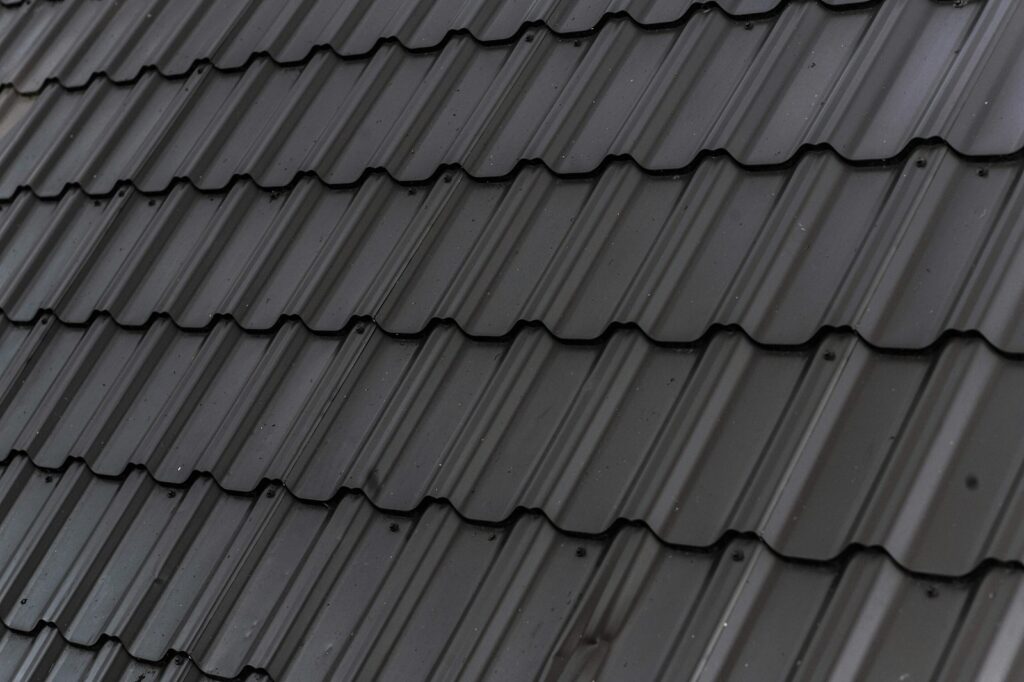
Your roof shows telltale signs after storms: missing or curled shingles, granule loss, water stains on ceilings, sagging deck areas, and damaged flashings. You should inspect promptly to prevent small issues from escalating into leaks, mold growth, or structural weakening that increase repair costs.
Visual Inspections
Below, when you inspect your roof, scan for missing, cracked, or lifted shingles, pooled water, loose or missing flashing, and debris in valleys and gutters. Photograph damage, note locations, and avoid walking on steep or damaged areas-hire help if conditions seem unsafe.
Professional Assessments
To protect your investment, you should schedule a qualified roofer to assess storm damage, perform moisture testing, and evaluate hidden issues like underlayment failure or compromised decking that you cannot see from the ground.
For instance, a professional assessment often includes infrared or moisture scanning to detect trapped water, a climb-and-probe inspection of flashings and vents, documentation for your insurance claim, and a written repair or replacement plan with cost estimates so you can decide the safest, most cost-effective option.
Prevention and Mitigation Strategies
Now you can reduce weather-related roofing failures by combining smart design, robust materials, and proactive upkeep; plan for local hazards, install proper flashing and underlayment, maintain drainage, trim nearby trees, and secure loose elements; after severe storms act quickly with temporary covers and documented inspections, and coordinate with qualified contractors and your insurer to minimize long-term loss.
Choosing Durable Materials
To protect your roof against repeated stress choose materials rated for local conditions such as impact- and wind-resistant shingles, metal panels, or reinforced membranes; prioritize quality underlayment, corrosion-resistant flashing, and factory-backed warranties, and match material weight and profile to your structure to avoid compromised performance.
Regular Maintenance Practices
Strategies you should adopt include scheduled inspections, seasonal gutter cleaning, clearing debris from valleys and drains, checking sealants and flashings, verifying attic ventilation and insulation, and addressing minor damage promptly to prevent escalation; keep a photo log and schedule professional inspections after major storms.
Indeed you can use a simple seasonal checklist: inspect shingles for granule loss and lifting, examine flashings, test gutters and downspouts, look for attic moisture or stains, and note sagging or displaced elements; perform light repairs promptly and hire a licensed roofer for work at height or complex fixes, and store service records for warranty and insurance claims.
Final Words
From above you should recognize that weather damage degrades your roofing system by stripping protective layers, loosening fasteners, warping decking, and allowing moisture to infiltrate – which leads to leaks, rot, and structural weakening; by scheduling regular inspections, addressing damage promptly, and choosing durable materials you preserve performance, control costs, and extend your roof’s service life.