
How Solar Panels Affect Home Energy Usage

Many homeowners find that installing solar panels transforms your household energy use by reducing grid dependence, cutting utility bills, and encouraging efficient consumption patterns. You can offset daytime loads, charge batteries with surplus generation, and reschedule high-energy activities to align with peak production, improving resilience and long-term savings while shaping decisions about appliances and insulation.
Understanding Solar Panels

A solar panel system converts sunlight into electricity so you can lower your grid consumption, shift appliance use to peak production, and monitor generation to optimize your home’s energy profile.
What Are Solar Panels?
After photons strike photovoltaic cells, they free electrons that you harvest as direct current; an inverter then converts this to usable alternating current so you can power appliances, store energy, or export surplus to the grid.
Types of Solar Panels
Panels come in monocrystalline, polycrystalline, thin-film, and bifacial varieties, each presenting trade-offs in efficiency, cost, aesthetics, and rooftop suitability; you should weigh space and budget when choosing. The table below summarizes key differences.
- Monocrystalline – highest efficiency for limited roof space
- Polycrystalline – moderate efficiency, lower cost
- Thin-film – lightweight and flexible, lower upfront cost
- Bifacial – generates from both sides for added yield
Solar panel selection hinges on efficiency, degradation rate, warranty, and temperature performance; you compare real-world output per dollar and balance aesthetics with lifespan. The table below breaks performance and cost into two columns.
- Compare manufacturer warranties and annual degradation
- Match panel type to your inverter and system design
- Assess shading, tilt, and roof orientation for your site
- Factor expected output versus upfront and lifetime cost
| Type | Key traits |
|---|---|
| Monocrystalline | High efficiency, higher cost, good for limited space |
| Polycrystalline | Moderate efficiency, lower cost, commonly available |
| Thin-film | Lower efficiency, lightweight/flexible, lower upfront cost |
| Bifacial | Captures reflected light, higher yield in reflective installations |
Impact of Solar Panels on Energy Consumption
If you add solar panels to your home, you change how much electricity you draw from the grid by offsetting daytime consumption and reducing peak usage charges; system size, orientation, local sunlight, and your usage patterns determine how much of your demand becomes self-generated, and monitoring and smart loads help you maximize on-site production to lower overall consumption.
Reduction in Electricity Bills
Between generating power on-site and exporting excess to the grid under net metering or feed-in tariffs, you can cut your monthly electricity bills dramatically; proper system sizing and aligning high-use appliances with daytime production let you keep more of your energy and shorten payback time.
Energy Independence
About energy independence, solar panels let you rely less on utility supply by producing a significant portion of your daytime demand, while pairing with batteries lets you shift that production to cover evenings and outages, increasing your operational resilience.
Also you gain flexibility to adjust consumption behavior, prioritize critical loads during outages, and reduce exposure to volatile electricity prices, giving you more control over long-term energy costs and reliability.
Environmental Benefits
It lowers greenhouse gas emissions by replacing grid electricity with clean solar power, and you cut air and water pollution while reducing demand peaks that force fossil-fuel plants to run inefficiently; by choosing solar, your home becomes part of a cleaner energy system that benefits local ecosystems and public health.
Decreased Carbon Footprint
After you install solar panels, your household’s carbon emissions decline as the system offsets grid-supplied energy produced from coal, natural gas, and oil; you directly reduce your personal contribution to climate change, and over the system’s lifespan your cumulative CO2 savings can equal planting hundreds of trees or taking cars off the road.
Contribution to Renewable Energy
Between generating clean electricity at your property and feeding excess power back to the grid, you accelerate the transition to renewables and lower reliance on large thermal plants; your participation helps expand market demand for solar technology, spurs investment in storage and smart grids, and signals policymakers to support cleaner energy infrastructure.
Due to increased distributed generation, you help decarbonize the grid and improve resilience by reducing transmission losses and local overloads; your solar system, paired with batteries or demand management, enables faster responses during outages and smoother integration of wind and other renewables, amplifying environmental benefits beyond your household.
Installation Considerations
All installations require assessing roof condition, electrical capacity, permitting and installer credentials; you should evaluate warranties, panel types and inverter choices to align with your energy goals, and schedule inspections to minimize disruptions while maximizing long-term performance.
Cost Analysis
After totaling equipment, labor, permitting and interconnection fees, you should compare incentives, tax credits and projected energy savings to estimate payback and ROI; factor in maintenance and potential utility rate changes when calculating long-term benefit to your household budget.
Space and Location Requirements
Analysis of roof orientation, pitch and shading helps you determine panel layout and expected output; you must verify structural load capacity and consider ground-mounted options if roof space or exposure limits your system size.
Due to local zoning, setback rules and HOA restrictions, you should confirm allowable placements and obtain approvals early; seasonal sun paths and nearby trees affect annual generation, so perform a site survey and use modeling to optimize panel tilt and array spacing for your location.
Government Incentives and Rebates
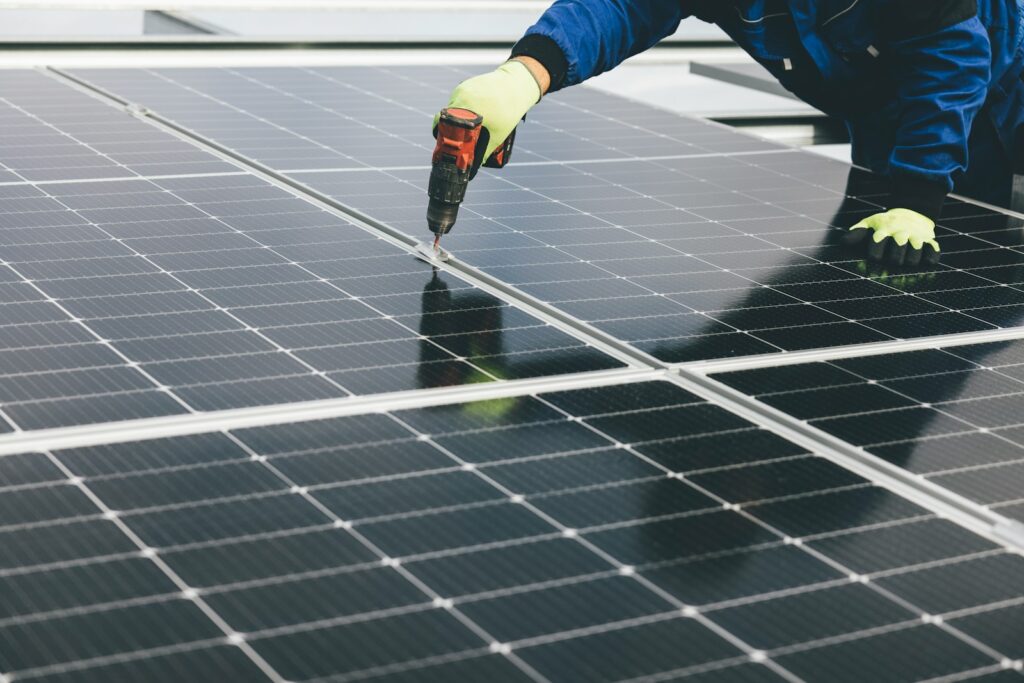
Now you can lower solar costs significantly through federal and local incentives that reduce upfront expenses and improve payback. Tax credits, utility rebates, net metering credits and performance-based incentives all help you recover your investment faster; check eligibility, system requirements and local rules to maximize savings and avoid surprises during installation and permitting.
Federal Programs
Incentives at the federal level, like the Investment Tax Credit (ITC), let you claim a percentage of system costs on your federal taxes, directly lowering what you owe; you must meet eligibility and installation timelines. You can also benefit from federal financing programs and grants if you qualify, so track changes in program rates and deadlines to plan your project.
State and Local Incentives
With state and local incentives you may access rebates, performance-based payments, sales and property tax exemptions, and favorable net metering policies; availability varies by jurisdiction. Check your state energy office and utility programs so you can apply for rebates, understand interconnection rules, and stack incentives to lower your net system cost and improve long-term returns.
State-level programs often include tiered rebates, low-interest loans, and community solar options that let you participate even if your roof isn’t ideal; utilities may offer performance-based payments tied to actual generation. State databases such as DSIRE help you find programs, application steps, deadlines and required documentation so you can plan financing and installation with confidence.
Long-term Maintenance and Performance
Not all performance losses are immediate; you should expect gradual degradation, seasonal variability, and occasional inverter or soiling issues that affect your energy yield. By monitoring production, understanding warranties, and arranging periodic inspections you keep your system aligned with your household demand and long-term savings goals.
Lifespan of Solar Panels
Longterm most panels retain significant output for 25-30 years, but you should plan for gradual efficiency declines of about 0.5-1% per year; warranties, expected degradation rates, and inverter lifespan help you decide when repairs or panel replacements make financial sense.
Maintenance Requirements
Across routine upkeep you should perform visual inspections, remove heavy debris, track inverter alerts, and verify mounting integrity; simple cleaning and a logged performance review let you spot issues early and maintain steady generation.
It helps you to schedule professional inspections every 3-5 years, test inverter and system diagnostics, check wiring and seals for wear, and confirm roof or landscape changes haven’t introduced new shading; following manufacturer service recommendations and keeping documentation organized protects your investment and optimizes your energy production.
Final Words
Considering all points you can significantly reduce your grid consumption and energy bills while shifting much of your usage to daytime when panels produce most power. With proper system sizing and possibly battery storage, you can smooth nighttime demand and increase self-sufficiency. Monitoring and efficient appliances maximize benefits, and net metering or time-of-use rates affect savings. Effectively, solar alters how you source, schedule, and pay for home energy.