
How Home Plumbing Systems Work Explained Simply
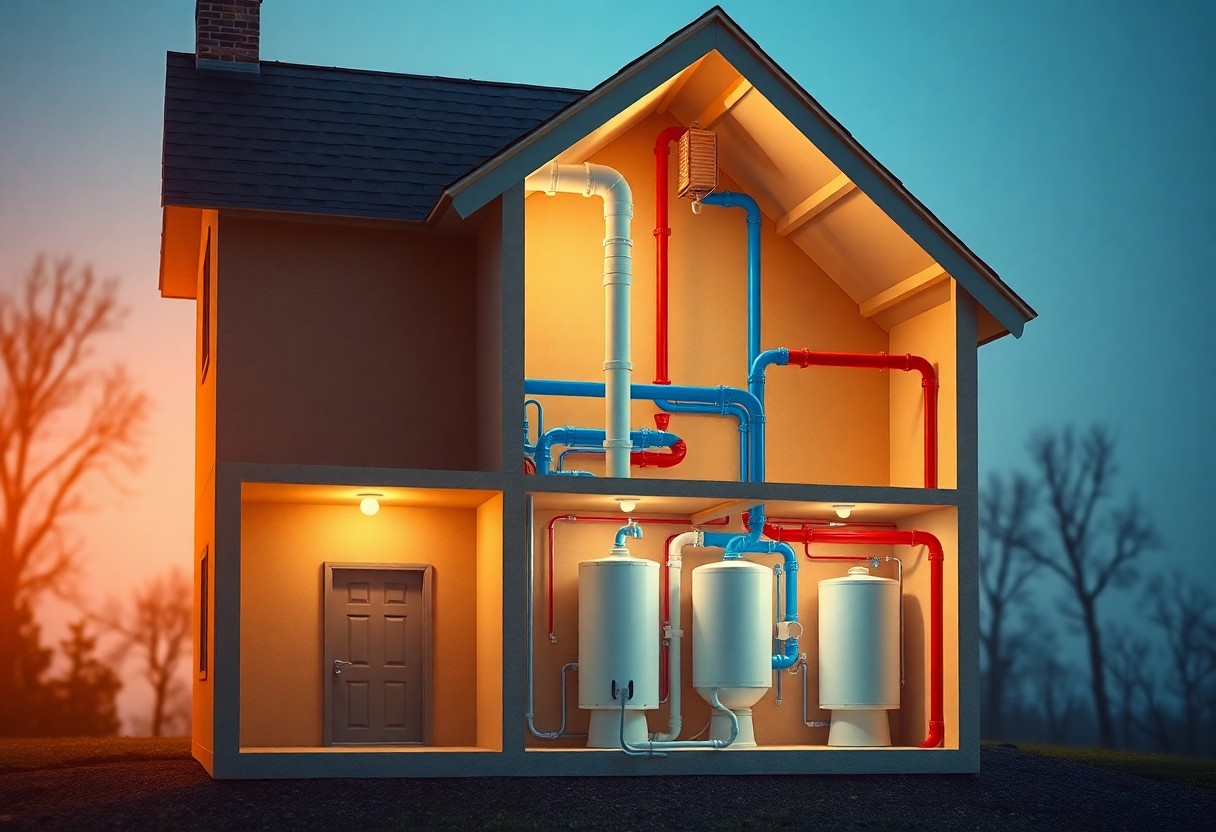
Plumbing in your home moves clean water to sinks, showers, and appliances while carrying wastewater away through a network of supply and drain pipes, valves, vents, and traps; you control flow with fixtures and shutoff valves, and pressure, backflow prevention, and proper venting keep the system reliable. Understanding pipe materials, common fittings, and how traps and vents prevent odors helps you diagnose problems and communicate effectively with a plumber.
Overview of Home Plumbing Systems

The plumbing in your home supplies fresh water, heats it, moves wastewater away, and vents gases through a network of pipes, valves, fixtures and the water heater so you can use showers, sinks and appliances safely and reliably.
Types of Plumbing Systems
An efficient home typically uses a pressurized supply system for cold and hot water and a gravity-based drainage and venting system for wastewater, both of which you depend on for daily use.
- Supply: municipal connection or private well that brings potable water to your home.
- Heating: tank or tankless water heaters that provide hot water on demand for your fixtures.
- Materials: copper, PEX or CPVC for supply lines; PVC or ABS for drain lines affect longevity and repairs you may need.
- Configuration: one-pipe or multi-branch layouts determine how water reaches each fixture and how you isolate sections for maintenance.
- Assume that local codes affect which materials and layouts you must use.
Key Components of Plumbing
Types of components include pipes, valves, traps, vents and the water heater, each serving a specific role you should understand to manage flow, pressure and safety in your home.
A closer look shows pipes carry water to and from fixtures, valves let you control supply, traps block sewer gas, vents balance pressure, and the heater supplies hot water-knowing these helps you spot and address issues quickly.
Water Supply System
Some parts deliver clean water into your home, including pipes, valves, the meter, and pressure regulators that maintain steady flow; understanding how the system moves and controls water helps you detect leaks, low pressure, or contamination risks and act quickly to protect your household.
Main Water Line
With the main water line, water enters your property from the municipal supply or a private well through a large-diameter pipe; the shutoff valve, backflow preventer, and meter at this point let you isolate supply, protect potable water, and monitor usage.
Fixtures and Faucets
To use water inside your rooms, fixtures and faucets regulate flow and temperature using valves, cartridges, and aerators; when you face drips, reduced flow, or temperature issues, inspecting these components can help you diagnose and often fix minor problems yourself.
System maintenance for fixtures and faucets includes inspecting supply lines and shutoffs, cleaning aerators, replacing worn washers or cartridges, and checking seals so you can stop leaks quickly, improve efficiency, and extend the life of your hardware.
Drainage System

If you trace wastewater from fixtures you’ll find the drainage system uses gravity, properly sloped pipes and a main soil stack to move water to the sewer or septic tank; cleanouts, adequate pipe sizing and routine inspections help you spot and address slow drains, odors or backups before they become severe.
Waste Pipes
Below your waste pipes-typically PVC, ABS or cast iron-carry water from sinks, tubs and toilets to the main stack; maintaining the correct slope, secure fittings and access points lets you clear clogs and ensures larger fixtures have appropriately sized lines to prevent overflows and backups.
Traps and Venting
An effective trap holds a water seal to block sewer gas while venting balances air pressure so drains flow freely; P-traps under sinks and vent stacks through the roof (or air admittance valves where allowed) are parts you should keep clear to avoid odors and gurgling drains.
With simple checks you can diagnose trap and vent issues: refill dry traps by running water in seldom-used fixtures, listen for gurgling when nearby drains run, inspect roof vents for obstructions, and contact a plumber if odors, persistent slow drains or backflow continue after basic maintenance.
Common Plumbing Issues
All plumbing systems experience wear, age, and occasional component failure, so you should expect issues like leaks, clogs, low pressure, and appliance malfunctions, and knowing common causes helps you prioritize repairs and maintenance.
Leaks and Drips
Beside occasional dripping faucets, persistent leaks usually stem from worn seals, corroded pipes, or loose fittings; you can spot them by checking for stains, damp spots, or unusually high water bills and act before damage spreads.
Clogs and Blockages
On a regular basis you’ll encounter slow drains and backups caused by hair, grease, soap buildup, or foreign objects; you can clear many blockages with a plunger, drain snake, or enzyme cleaner, while stubborn clogs may require professional service.
Hence you should adopt preventive habits-use drain screens, avoid pouring grease down your sinks, run hot water after dishwashing, and schedule inspections or cleanings-to keep vents and sewer lines clear and reduce emergency repairs.
Maintenance Tips
Once again you should keep your plumbing efficient by following simple practices:
- check for leaks and drips
- clear slow drains with a plunger or enzyme cleaner
- inspect visible pipes and fittings
The best results come when you act early, schedule a professional inspection annually, and replace worn parts promptly.
Routine Checks
Maintenance you should perform monthly: run all faucets, test shut-off valves, inspect under sinks for moisture, monitor water pressure, and address any slow drains or odd noises to prevent larger failures.
Seasonal Maintenance
Maintenance you should do each season: winterize outdoor spigots, insulate exposed pipes before freezing weather, flush the water heater annually, and clear gutters to prevent backflow into outdoor drains.
Further, you should drain and store hoses, check sump pump operation before heavy rains, service boilers or heaters ahead of cold months, and tighten or replace fittings showing corrosion to reduce emergency repairs.
When to Call a Professional
Unlike DIY fixes for minor clogs, you should call a professional when you encounter persistent leaks, sewage backup, a burst pipe, complete loss of water, foul sewage odors, or repeated drain blockages; a licensed plumber can diagnose main-line issues, safely shut off and repair systems, and prevent further damage to your home and fixtures.
Conclusion
So understanding your home’s plumbing helps you spot leaks, reduce water waste, and maintain pressure by checking fixtures, drains, vents, and the main supply. You can prevent many problems with basic inspections, timely repairs, and knowing where shut-offs are located. If you suspect leaks or sewer issues, act promptly or consult a licensed plumber to protect your pipes and save costs.