
Common Issues With Residential Solar Systems

Just because solar panels are low-maintenance doesn’t mean your system is immune to problems; you should watch for shading, soiling, panel degradation, inverter faults, loose wiring, and poor installation that reduce output and pose safety risks. You can minimize downtime by scheduling inspections, keeping panels clean, monitoring system performance, and working with certified installers to address wiring, mounting, or permit issues promptly.
Understanding Residential Solar Systems

A clear grasp of how panels, inverters, mounts, and wiring interact helps you assess performance, sizing, shading effects, and local permitting so you can make informed decisions and spot issues early.
Types of Solar Panels
Among panel options you’ll encounter several technologies and trade-offs:
- Monocrystalline – high efficiency, better for limited roof space.
- Polycrystalline – lower cost, slightly lower efficiency.
- Thin-film – flexible and lightweight for unconventional surfaces.
This lets you match performance, aesthetics, and budget when choosing panels.
| Monocrystalline | Highest efficiency; best when you need maximum power per area for your roof. |
| Polycrystalline | Lower cost; suitable if you have ample roof space and want to reduce upfront spend. |
| Thin-film | Lighter and flexible; you might choose it for nontraditional roofs or integrated designs. |
| Bifacial | Generates from both sides; worth considering if your site has reflective surfaces or tracking. |
| PERC | Improved low-light and temperature performance; can increase your system yield modestly. |
Inverter Options
For inverters you can choose string inverters, microinverters, or power optimizers depending on shading, budget, and monitoring needs; each affects efficiency, maintenance, and system design for your home.
And you should weigh module-level control from microinverters against the lower cost and simplicity of string inverters; power optimizers offer a middle ground and let you monitor and maximize output from each panel.
Installation Challenges
One significant challenge is coordinating site access, delivery, structural assessments, and skilled labor so your project proceeds on schedule; delays in any step – from roof repairs to electrical upgrades – can increase costs and extend timelines, so you should plan contingencies and clear communication with your installer.
Roof Condition and Orientation
Installation often hinges on your roof’s age, material, pitch, and orientation; if your roof needs replacement or reinforcement, or if shading and azimuth limit panel output, you’ll face added work and expense, so you should have a structural inspection and layout analysis before committing.
Local Regulations and Permitting
For any system, you must navigate building permits, zoning, utility interconnection, and inspections, and different jurisdictions have distinct requirements and fees, so you should budget time for approvals and coordinate documentation with your installer and the utility.
With permitting, you should prepare permit applications, site plans, structural calculations, and equipment specs in advance, check HOA rules, obtain an interconnection agreement from the utility, and expect variable review times; hiring an installer familiar with local processes reduces rework and speeds approval for your project.
Performance Issues
Clearly your solar system’s performance can fall short of expectations due to shading, soiling, inverter faults, wiring losses, or incorrect tilt and orientation; you should monitor production and compare it to modeled yields to detect underperformance and prioritize inspections or repairs.
Energy Production Variability
Among the common causes of variability are cloud cover, seasonal sun-angle changes, transient shading from trees or nearby structures, snow and dust accumulation, and occasional grid disturbances; you should use real-time monitoring and historical data to differentiate normal fluctuations from persistent problems.
System Efficiency
To maintain system efficiency you should keep panels clean, ensure inverters and power optimizers are functioning, verify tight connections and correct wiring, and mitigate thermal losses through proper mounting and ventilation so your system converts sunlight effectively.
It helps to quantify losses so you can prioritize remedies: soiling often reduces output 2-10%, mismatch and wiring losses 1-3%, and inverter-related losses a few percent, enabling you to focus maintenance or upgrades where they deliver the largest improvement.
Maintenance and Upkeep
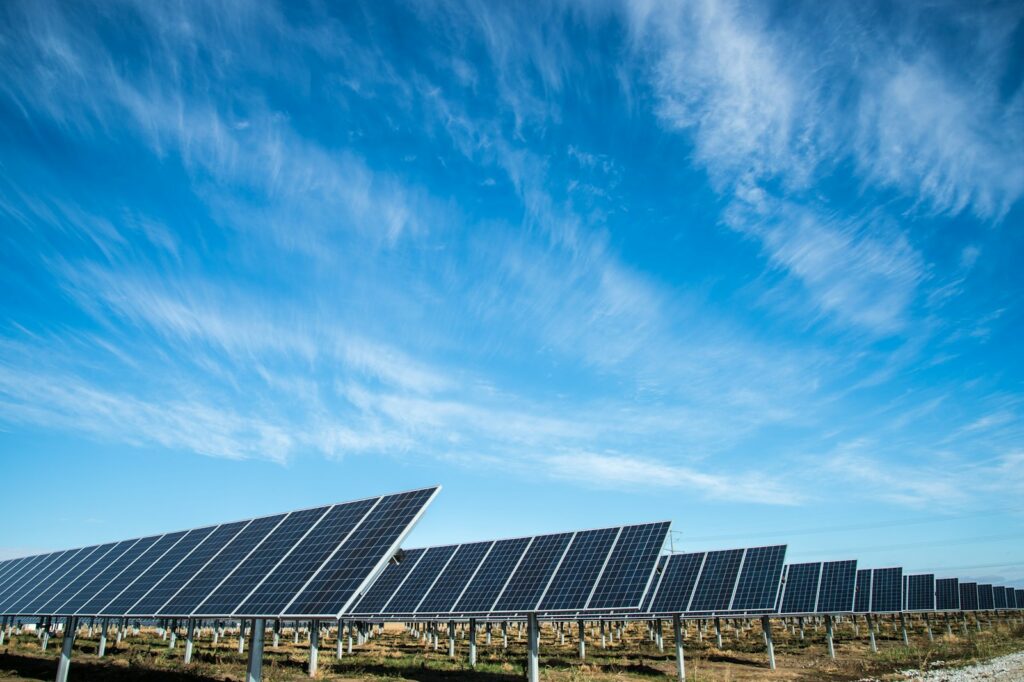
After installation, you should schedule periodic inspections to check mounting hardware, wiring, and inverter performance, address shading or debris, and keep surrounding vegetation trimmed so your system operates efficiently and safely.
Cleaning and Monitoring
To maintain peak output, you should clean panels when visibly soiled, use monitoring apps to watch generation and inverter alerts, and compare production to expected values so you can spot declines early.
Common Repairs
To handle common repairs, you should be prepared for inverter faults, damaged panels, loose mounts, or connector corrosion, and engage qualified technicians for electrical or structural fixes to protect safety and warranty coverage.
Maintenance often involves replacing inverters after their typical 10-15 year lifespan, repairing or replacing microinverters, resealing junction boxes, swapping failed fuses or breakers, and addressing weather-related damage; keep detailed service logs and warranty documents to streamline repairs and claims.
Financial Considerations
All major financial decisions around solar hinge on your budget, financing choices, and projected electricity savings; you should evaluate payback period, loan terms, impact on property value, insurance and maintenance costs, and potential resale implications to decide if the system aligns with your financial goals.
Upfront Costs vs. Long-Term Savings
Upfront installation and equipment expenses can be significant, so you need to compare those costs to long-term electricity savings and expected return on investment; factor in panel efficiency, warranty length, expected degradation, local energy rates, and whether you buy, finance, or lease to determine your payback period.
Incentives and Rebates
To maximize savings you should research available federal, state and local incentives, including tax credits, rebates, performance-based incentives, and net metering policies; verify eligibility, application deadlines, and whether incentives stack with utility programs or financing offers.
Financial incentives can shorten your payback period and improve project feasibility, but you must document expenses, claim credits correctly on taxes, and confirm transferability when selling your home; consult your installer or a tax advisor so you understand caps, phase-outs, and program expiration dates that affect your net benefit.
Environmental Factors
For your solar system, environmental variables can reduce output and accelerate wear; common examples include:
- shading from trees or nearby structures
- soiling from dust, pollen, and bird droppings
- temperature extremes that lower panel efficiency
- salt spray or humidity causing corrosion near coasts
Knowing how these factors affect your panels lets you plan placement and maintenance to protect long-term performance.
Weather Impact
Weather can sharply alter your system’s daily output – clouds, storms, and snow reduce irradiance while heavy rain can clean panels but also indicate storm damage risk; hail, lightning, and high winds can physically harm panels and mounting hardware. You should monitor forecasts, secure mounting, and ensure insurance covers weather-related damage to protect your investment.
Geographic Limitations
Impact of latitude, local climate, and terrain can limit how much energy your panels produce; high latitudes get less winter sun and mountain valleys or tall buildings can cast prolonged shadows. You should use insolation data and site surveys to size and orient your array for maximum year-round yield.
But you can mitigate many geographic limits by choosing higher-efficiency panels, microinverters or optimizers for shaded arrays, and adjusted tilt or tracking where feasible; battery storage offsets seasonal variability and grid connections enable you to draw power when production is low.
Summing up
So you should expect issues such as shading, inverter failures, loose connections, panel soiling and inadequate monitoring to reduce output; by scheduling regular inspections, cleaning panels, using reliable inverters, and engaging qualified technicians you protect your system’s performance, safety and long‑term savings.