
Common Insulation Problems in Houses
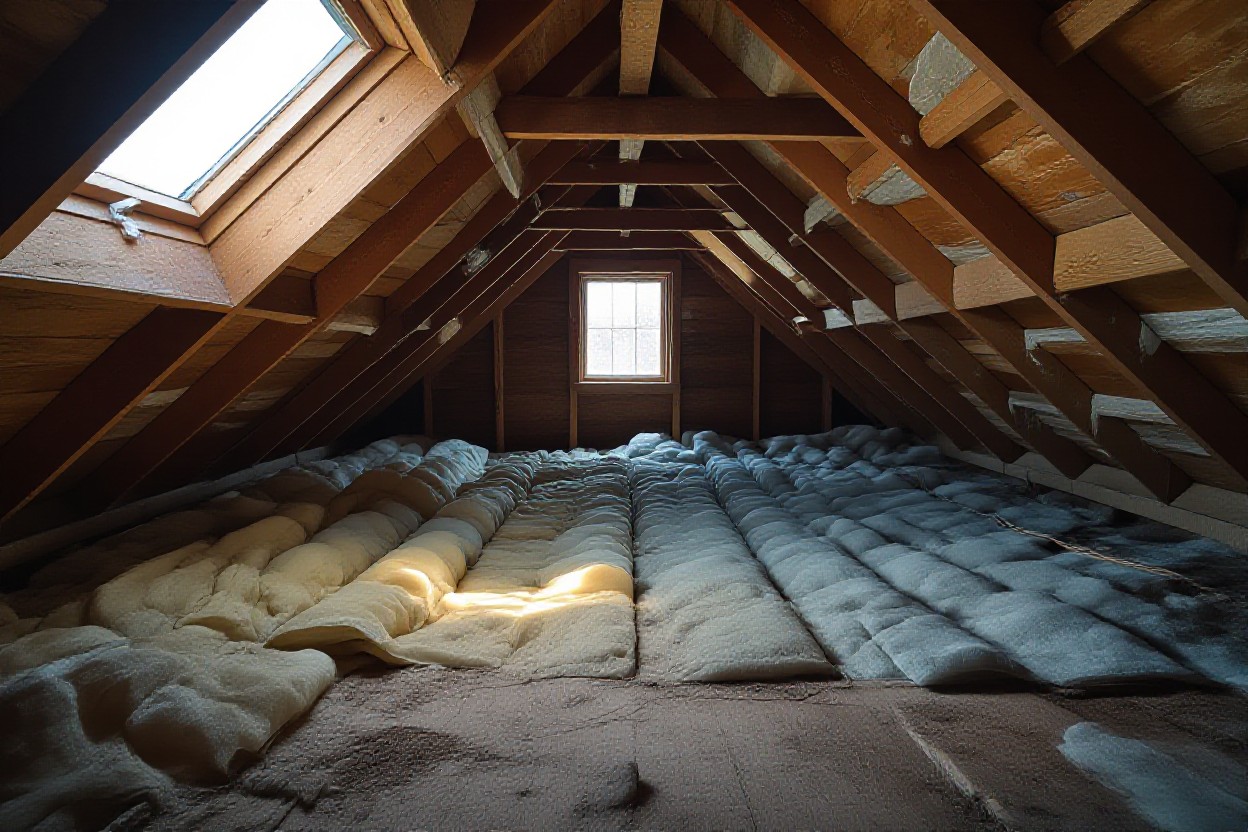
Houses often reveal insulation failures that increase energy costs and discomfort, and you should learn to spot common issues-gaps and settling, compressed or missing batts, moisture and mold, inadequate attic or rim-joist coverage, and pest damage-so you can prioritize inspections, select proper materials, and coordinate effective repairs to restore your home’s thermal performance.
Understanding Insulation
A well-insulated home stabilizes indoor temperatures, reduces drafts, and lowers your energy bills while protecting structural elements from condensation; you should assess existing insulation, air leaks, and moisture paths to plan effective improvements.
Types of Insulation Materials
Behind every insulation choice are trade-offs in R-value, cost, thickness, and moisture resistance that you must balance to meet your performance and budget goals.
- Fiberglass – batts and loose-fill for attics and walls suitable for many DIY projects.
- Cellulose – dense blown-fill that you can use for attics and retrofits to fill cavities.
- Mineral wool – resilient batts offering fire and sound resistance for walls and ceilings.
- Spray foam – high R-value and air-sealing for gaps, rim joists, and tight assemblies.
- Rigid foam – continuous sheathing to control thermal bridging on exterior walls and foundations.
| Fiberglass | Batts for walls and attics; budget-friendly |
| Cellulose | Blown-fill for attics and cavity retrofits |
| Mineral wool | Fire-resistant batts and loose-fill |
| Spray foam | Air-sealing, high R-value for gaps and rim joists |
| Rigid foam | Continuous exterior insulation to reduce thermal bridging |
The best option for your project depends on the installation location, available cavity depth, budget, and how you prioritize air sealing and moisture control.
Importance of Proper Insulation
One properly installed insulation system reduces your energy consumption, stabilizes indoor comfort, and limits temperature-driven moisture movement that can damage building materials and increase maintenance needs.
Proper evaluation and installation mean you should address air leaks, choose compatible materials, ensure full coverage without gaps, and consider ventilation so your insulation delivers its rated performance and protects your home.
Signs of Insulation Problems
It may not be obvious at first, but you’ll notice patterns like uneven temperatures, visible gaps or compressed batts in your attic, moisture stains, pest activity, and frequent thermostat adjustments indicating loss of your insulation’s performance; you should inspect suspect areas and act before problems worsen.
Unusually High Energy Bills
Beside normal seasonal changes, a sudden or steady rise in your energy bills often means your insulation is underperforming or missing; you should compare usage, inspect your attic and wall insulation, and seal leaks to cut wasted energy.
Drafts and Cold Spots
Insulation that is missing, settled, or damaged creates drafts and cold spots you can feel near your windows, exterior walls, floors, and recessed fixtures; you should check for air leaks, insulation gaps, and moisture issues that reduce your insulation’s R-value.
High humidity, moisture intrusion, or pest damage can aggravate cold spots and lower your insulation’s effectiveness, and you can detect trouble with a thermal camera, smoke test, or by feeling temperature differences around your outlets, ducts, and attic hatches; you should prioritize air sealing, adding insulation, and fixing moisture paths to restore comfort and lower costs.
Common Causes of Insulation Issues
Even small gaps, moisture damage, pest activity, compression from storage or renovations, and aging materials reduce insulation performance, so you may notice uneven temperatures, higher energy bills, or persistent drafts in your home; improper installation and delayed maintenance often magnify these problems, making targeted inspection of attics, walls, basements and air seals necessary for effective repair.
Age and Wear
To assess your insulation’s effectiveness you must consider age and wear: batt materials settle, loose-fill compacts, and older products lose R-value or become contaminated by moisture and pests, so if rooms feel colder, heating is uneven, or you see signs of dampness, schedule an inspection and plan for topping up or replacement as needed.
Improper Installation
Alongside material degradation, installation errors are common-gaps, compression, insufficient depth, and missed edge seals create thermal bridges you feel as drafts, and DIY or rushed work around vents, wiring, or recessed lights often leaves voids, so verify continuous coverage and correct clearances to restore your insulation’s intended performance.
Also you can confirm improper installation with a blower-door test or infrared scan to locate leaks and voids; your contractor should add blown-in fill, reposition or replace compressed batts, seal penetrations, and maintain ventilation pathways so your insulation delivers maximum comfort and efficiency.
Specific Insulation Problems
Not all insulation issues are visible; you may face gaps, thermal bridging, incorrect R-values, poor sealing, pest damage, or installation mistakes that reduce performance. You should inspect attics, walls, and crawlspaces for uneven coverage and feel for drafts; fixing these specific faults improves comfort and reduces energy waste.
Moisture and Mold Issues
On exposure to moisture your insulation can lose R-value and harbor mold, which degrades air quality and can affect your health. You should check for roof leaks, plumbing failures, and condensation, ensure ventilation and appropriate vapor barriers, and replace wet insulation promptly to prevent spread and structural damage.
Compression and Settling
One common issue is that batts and loose-fill insulation compress or settle over time, lowering R-value and creating cold spots you will notice as drafts or higher bills. You should look for flattened areas, avoid storing items on insulated surfaces, and plan to supplement or replace settled material to restore performance.
In addition, you can detect compression by measuring insulation depth against recommended R-value depths; even an inch of loss can significantly reduce effectiveness. If you find crushed or displaced material, consider dense-pack cellulose or new batts, install baffles to protect airflow, and hire a professional for hard-to-reach wall or roof work.
Solutions to Insulation Problems
Once again, you should address insulation issues by assessing performance, sealing air leaks, adding missing or compressed insulation, and correcting moisture pathways; prioritize attics, walls, and rim joists, choose materials suited to your climate, and involve a professional when asbestos, mold, or structural repairs are present.
Repair Options
Problems like small gaps, settled batts, or localized moisture damage can often be repaired by you with targeted fixes: air-seal penetrations, replace or re-fluff insulation, install foam or caulk at joints, and add vapor or air barriers where needed while following safety and manufacturer guidelines.
Replacement Strategies
By planning a full replacement you can upgrade to higher-R materials, correct degraded air and vapor barriers, and improve overall airtightness; evaluate lifecycle costs, expected energy savings, and the impact on ventilation before selecting spray foam, dense-pack cellulose, or modern batt systems.
The best approach begins with an energy audit and blower door test so you can target weak zones, select compatible materials, phase work to spread costs if necessary, and verify after completion that your replacement achieved the intended thermal and moisture-control performance.
Preventative Measures
For effective preventative maintenance, you should schedule seasonal checks, keep attic and crawlspace vents clear, seal gaps around windows and ducts, control moisture with proper ventilation, and address pest entry points early so your insulation remains dry and performs as intended.
Regular Inspections
Inspections help you catch damage early: inspect attic and wall cavities for wet spots, mold, compressed or displaced insulation, rodent activity, and blocked vents; use thermal imaging or a professional assessment annually to verify insulation continuity and R‑value performance.
Upgrading Insulation
About upgrading, evaluate current R-values and prioritize attic and rim joists; consider blown-in or spray foam for hard-to-reach areas and dense-pack cellulose for walls; you should compare cost, long-term savings, and ventilation needs before work begins.
Another key consideration when you upgrade is moisture control: ensure vapor barriers and proper flashing are used, avoid compressing insulation during installation, choose materials suited to your climate, and explore rebates or financing to make higher R-values affordable.
Final Words
Hence you should inspect your insulation for gaps, settling, moisture damage and compressed or missing material, since these issues lower thermal performance and raise energy bills; seal air leaks, add or replace insulation to meet recommended R-values, address ventilation and moisture control, and consult a qualified contractor for complex repairs to ensure your home stays comfortable and efficient year-round.