
Common HVAC Problems Homeowners Experience

Just knowing the typical HVAC issues you can face-poor airflow, strange noises, frequent cycling, refrigerant leaks, and thermostat malfunctions-helps you diagnose problems early. This guide explains symptoms, simple troubleshooting steps, preventive maintenance, and when to call a qualified technician so you can protect comfort, reduce bills, and extend system life.
Understanding HVAC Systems
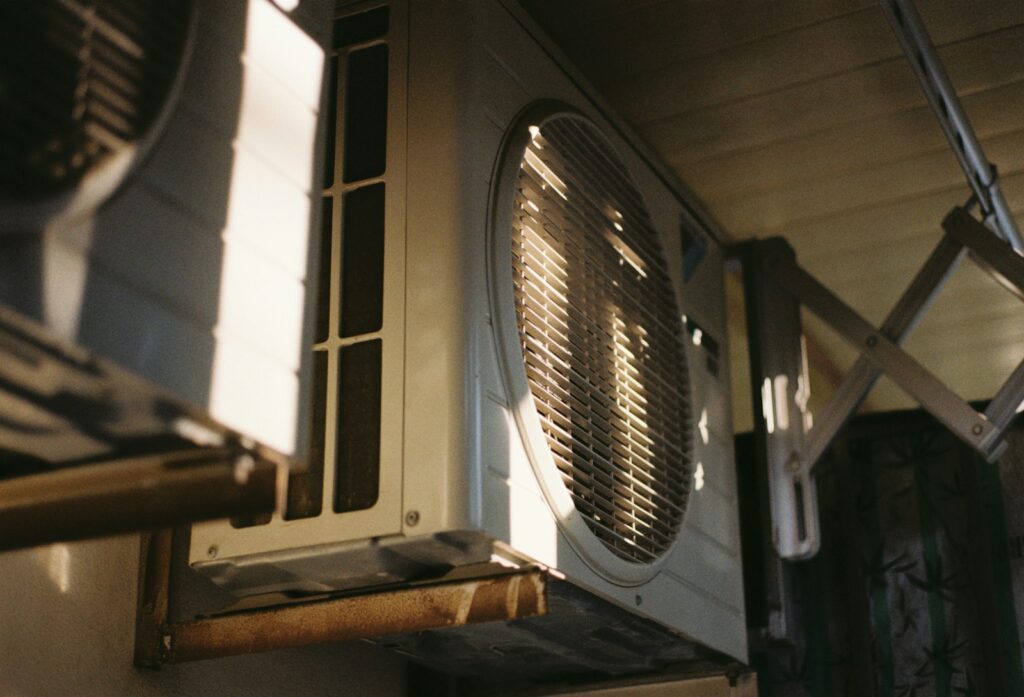
Before you troubleshoot an HVAC issue, you should grasp how heating, ventilation and air conditioning work together to control temperature, humidity and air quality; knowing basic system types and common failure points helps you spot abnormal noises, uneven heating, or rising bills and decide when to service components or call a technician.
Components of HVAC Systems
Components such as the furnace or heat pump, compressor, evaporator and condenser coils, blower fan, ductwork, vents, filters and thermostat each perform specific roles; you can reduce problems by monitoring filters, noting odd sounds from motors or compressors, and understanding which component controls heating, cooling and airflow so you can describe symptoms clearly to a service pro.
How HVAC Systems Operate
Around the thermostat you set a target temperature, and your system cycles equipment-compressor, fans and burners-to move heat by refrigerant or combustion while the blower circulates conditioned air through ducts; the system balances temperature, humidity and safety limits, so you’ll often notice short cycles, delayed starts, or uneven distribution when components or controls need attention.
In fact understanding the refrigerant loop, heat exchange in the coils, airflow path and controls lets you identify signs like low refrigerant (ice on the evaporator), restricted airflow from dirty filters or ducts, or combustion faults (soot, yellow pilot), so you can perform basic maintenance and provide technicians with your observations to speed diagnosis and repair.
Common HVAC Problems
Any homeowner can face HVAC issues ranging from neglected filters to mechanical failures; you should watch for reduced efficiency, uneven temperatures, frequent cycling, leaks, and unusual noises so you can address problems early and avoid higher repair costs.
Insufficient Heating or Cooling
Among the most common complaints, insufficient heating or cooling often results from dirty filters, blocked vents, thermostat miscalibration, low refrigerant, or undersized equipment; you can troubleshoot by checking airflow, filter condition, thermostat settings, and vents before calling a technician.
Unusual Noises and Odors
An HVAC system that emits banging, grinding, squealing, burning, or musty smells indicates problems like loose components, motor or belt failure, electrical issues, or mold growth; you should power down the system if you detect electrical or burning odors and schedule an inspection promptly.
Considering noises and odors, you should note when they occur, record their frequency and system mode, inspect accessible components such as filters and the condensate pan, and understand that burning smells may signal electrical hazards while musty odors suggest mold-prompt professional diagnosis protects your system and your indoor air quality.
Thermostat Issues
While thermostat problems often seem minor, they can undermine your comfort and energy efficiency by causing incorrect temperature readings, short cycling, or failure to engage heating or cooling. You should regularly check batteries, verify programming, and inspect wiring; if the unit continues to misread or lose connection, call a qualified technician to test calibration or replace the control to restore proper HVAC performance.
Malfunctioning Thermostats
Any malfunctioning thermostat can make your system run inefficiently or not at all, creating hot or cold spots and higher bills. You should confirm power and batteries, reset or reprogram the unit, and inspect wiring and sensor connections; persistent faults often indicate a failing control or sensor that a professional should diagnose and replace to restore reliable operation.
Improper Placement of Thermostats
An improperly placed thermostat will misreport your home’s true temperature if it sits near sunlight, drafts, exterior walls, vents, or heat-generating appliances. You should mount the control on an interior wall at typical living height, away from obstructions, so the system receives an accurate reading and cycles appropriately to maintain even comfort throughout your home.
A practical improvement you can implement is adding remote sensors or a smart thermostat to balance readings across rooms when a single location is affected by sun or drafts; placing the thermostat about 52-60 inches off the floor and away from doors, windows, and heat sources will improve accuracy, and a professional can assess placement or recommend zoning for the best results.
Air Quality Concerns
Not all air quality problems are obvious; if you notice persistent odors, frequent allergy flare-ups, or stale air, your HVAC may be circulating pollutants or failing to control humidity. You should monitor humidity levels, ensure adequate ventilation, change filters on schedule, and arrange professional indoor air quality assessments to protect your health and maintain system efficiency.
Clogged Filters
Concerns about clogged filters arise when airflow drops, your system runs longer, or dust and pet hair reappear quickly; this increases energy use and worsens allergy symptoms. You should inspect filters monthly, replace them per manufacturer guidance, and choose an appropriate MERV rating so your system can both filter effectively and maintain proper airflow.
Ductwork Deterioration
Concerns about deteriorating ductwork include leaks, separated seams, and degraded insulation that let dust, pests, and moisture enter your airstream, causing uneven temperatures and higher bills. You should have ducts inspected for visible damage and air leaks, and hire a qualified technician to seal, repair, and insulate compromised sections to restore performance and indoor air quality.
With aging, physical damage, or poor installation, ducts develop holes and gaps that divert conditioned air into attics or crawlspaces, lowering efficiency and introducing contaminants into your home. You can reduce losses by scheduling professional duct testing (pressure or smoke), insisting on mastic or approved sealing methods, adding insulation where needed, and getting a written repair scope and cost estimate from licensed contractors rather than attempting risky DIY fixes.
Energy Efficiency Problems

All homeowners encounter energy efficiency issues that reduce comfort and raise costs; if your ducts leak, insulation is inadequate, or controls are outdated, your HVAC works harder and wears faster. You should prioritize an energy audit, seal gaps, and update thermostats and zoning to cut waste. Routine maintenance and targeted upgrades help your system run closer to its rated efficiency and extend equipment life.
Rising Energy Bills
Against rising energy bills, you should inspect filters, refrigerant levels, and thermostat programming since dirty filters, low refrigerant, or poor control logic force longer runtimes. Scheduling professional tune-ups, sealing ducts, and upgrading to a programmable or smart thermostat will lower consumption. Monitor monthly usage to spot spikes and address inefficiencies before they become costly repairs.
Old or Inefficient Units
Above a certain age, your HVAC loses efficiency-older compressors, single-stage systems, and obsolete refrigerants consume more energy and deliver uneven comfort. You can evaluate age, SEER/AFUE ratings, and repair frequency to determine if replacement yields savings. Incentives and modern high-efficiency models often shorten payback while improving performance and reducing emissions.
With aging equipment, you may notice short cycling, rising repair bills, and inconsistent temperatures, signaling diminished efficiency and reliability. You should compare estimated annual operating costs, available rebates, and proper sizing before replacing. Upgrading to a correctly sized, high-efficiency unit while addressing ductwork and controls maximizes energy savings and long-term comfort.
Regular Maintenance and Care
Unlike reactive repairs that cost more, regular maintenance keeps your HVAC running efficiently and extends its lifespan. You should schedule seasonal tune-ups, change your filters regularly, keep vents and outdoor units clear, and monitor strange noises or spikes in bills. Professional servicing identifies leaks, worn parts, and airflow issues before they worsen, saving you money and preserving comfort.
Importance of Regular Inspections
One thorough inspection gives you a performance baseline and uncovers developing issues before they lead to failures. During inspections, technicians test thermostat accuracy, check refrigerant and electrical connections, assess airflow, and inspect drains and coils so you can avoid unexpected breakdowns and higher energy costs. Aim for at least annual inspections, more often if your system is older or heavily used.
DIY Maintenance Tips
One practical approach is to perform simple checks monthly:
- You replace or clean your filters to maintain airflow and indoor air quality.
- You keep the outdoor unit clear of leaves, grass, and snow.
- You vacuum registers and ensure vents are unobstructed.
- You check thermostat batteries and settings for consistent comfort.
Assume that you schedule a professional service annually for refrigerant checks and electrical inspections.
Also, keep basic tools and records so you can track performance and spot trends:
- You maintain a log of service dates, filter changes, and unusual sounds.
- You visually inspect belts and fan blades for wear without touching moving parts.
- You shut off power at the breaker before any cleaning near electrical components.
Assume that you never attempt refrigerant charging or complex electrical repairs-those require licensed technicians.
Summing up
With these considerations, you can identify and address common HVAC problems-filter clogs, refrigerant leaks, thermostat miscalibration, airflow restrictions, and mechanical wear-before they become costly failures. You should schedule routine inspections, change filters, monitor system performance, and call a licensed technician for complex repairs to preserve comfort, lower bills, and extend the life of your equipment.