
Common Garage Door Problems Homeowners Face
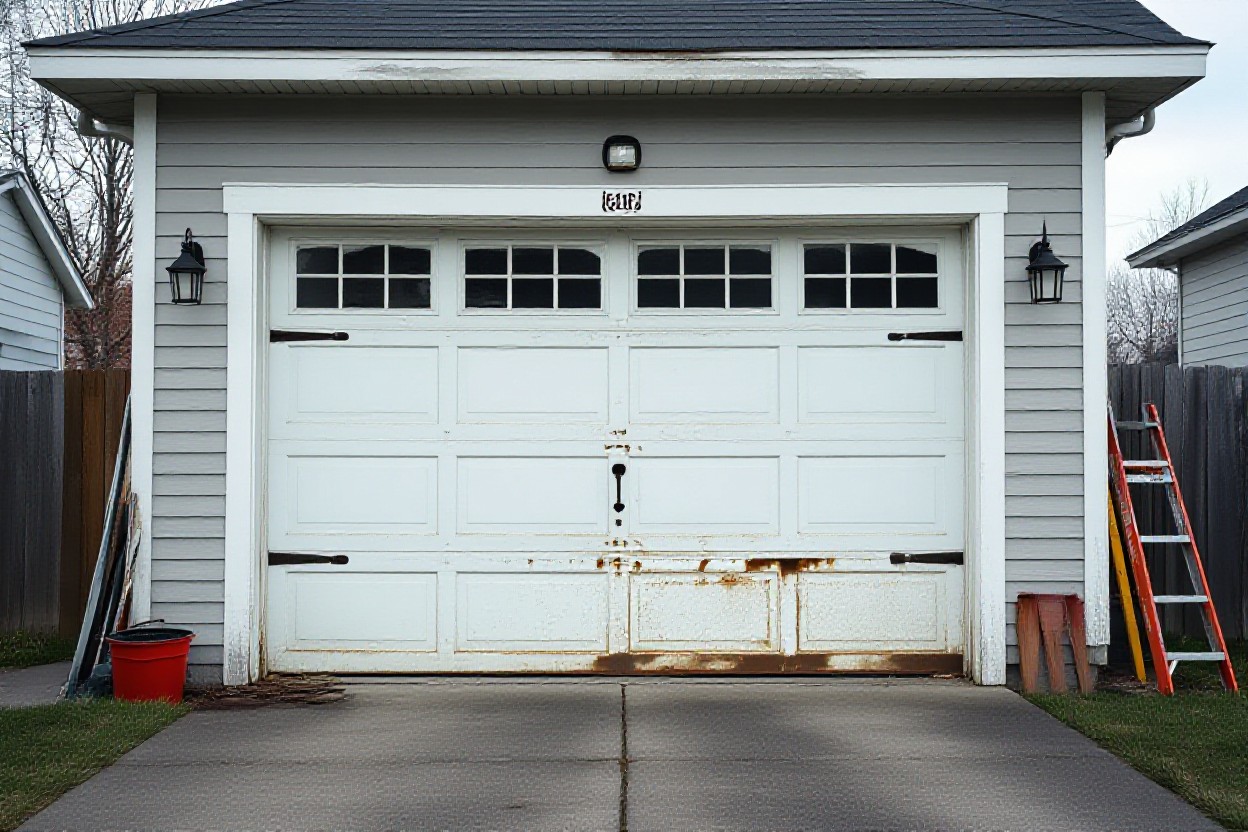
With regular use, your garage door can develop issues like broken springs, misaligned tracks, faulty openers, worn rollers, and frayed cables; understanding these common problems helps you spot warning signs early so you can diagnose issues, prioritize repairs, and decide when to call a professional.
Understanding Garage Door Mechanics
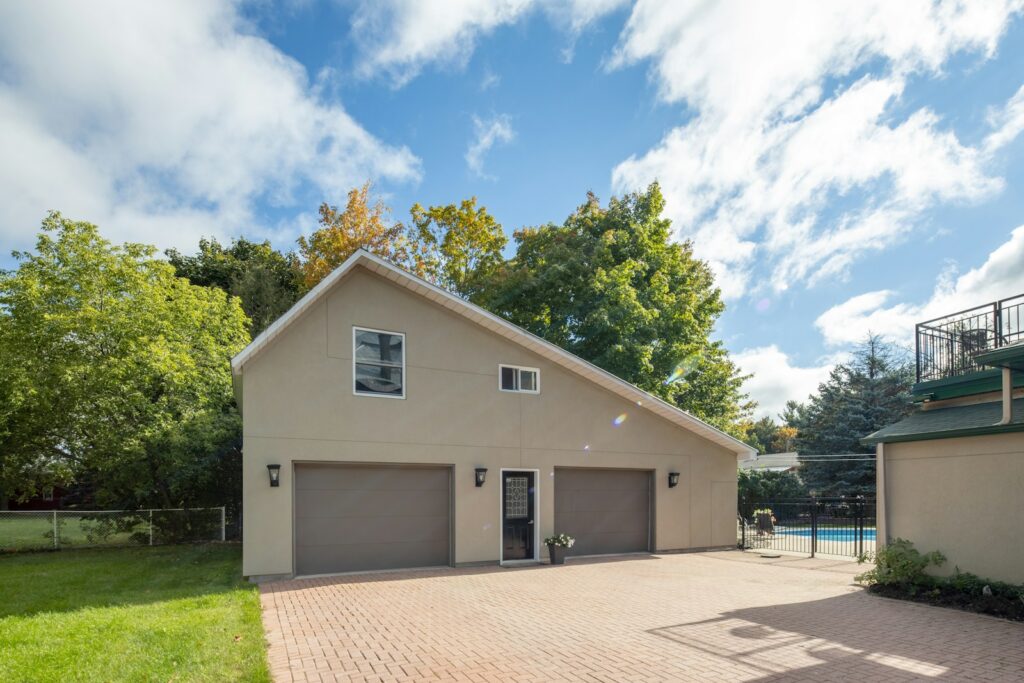
The mechanics of your garage door blend springs, cables, rollers, tracks and the opener into a system that balances heavy panels, controls movement, and protects you from failure; understanding how these elements work together helps you diagnose noise, binding, or imbalance and decide on maintenance or repairs.
Components of a Garage Door System
With torsion or extension springs, lift cables, hinges, rollers, tracks, panels and safety sensors, your door relies on each component to operate smoothly; if springs weaken, cables fray, or rollers stick, you’ll notice uneven travel, grinding noises, or failure to close, and that informs your repair steps.
How Garage Door Openers Work
Against the door’s weight, your opener’s motor and drive mechanism – chain, belt or screw – moves a trolley that pushes or pulls the door, while limit switches and photoelectric sensors control travel and reverse motion to prevent pinches and impacts.
The horsepower rating, drive type and features like battery backup, soft start/stop and Wi‑Fi affect how your opener performs: chain drives are rugged and louder, belt drives run quieter for attached garages, screw drives require less maintenance, and higher horsepower handles larger doors so you can match capacity to your door’s weight and usage.
Common Garage Door Issues
There’s a range of garage door problems you might face, from worn springs and frayed cables to sensor failures and weather-related damage, and each can disrupt your access, safety, and energy efficiency; you should inspect moving parts regularly and address signs like odd noises, uneven movement, or slow response to prevent escalation.
Misalignment and Track Problems
By neglecting the tracks and rollers you increase wear and risk of derailment; if your door sticks, binds, or shakes, you should check for bent tracks, loose fasteners, debris, and worn rollers, then realign or replace components to restore smooth, safe operation.
Malfunctioning Openers
Behind many opener failures you’ll find electrical issues, remote or sensor faults, worn gears, or a failing motor, so if your door doesn’t respond, reverses unexpectedly, or runs intermittently, you should test the remote, inspect the photo-eyes, and check wiring and capacitor before calling a technician.
Considering opener diagnostics, start with power and safety sensors: ensure plugs and breakers are intact, clean sensor lenses, verify alignment, and test limit and force settings; document each step and your observations so a professional can diagnose faster if parts like the circuit board, capacitor, or drive assembly need replacement.
Safety Concerns with Garage Doors
Some garage door hazards can put your household at risk; failing springs, frayed cables, misaligned tracks and malfunctioning openers can cause injury or property damage. You should inspect moving parts monthly, keep sensors clean, test safety features, avoid storing belongings under the door, and call a qualified technician if you notice unusual noises, sagging, or slow, uneven operation.
sensor and Reverse Mechanisms
At least once a month you should test your sensors and the auto-reverse mechanism by placing a small object in the door’s path to confirm the door reverses; check that photo-eyes are aligned and clean, wiring is secure, and travel/force settings are appropriate-if the door fails to reverse, stop using it and arrange professional service.
Manual Safety Features
Before you attempt any manual operation, disconnect the opener and ensure the door is fully supported; pull the emergency release only when the door is stationary, use both hands to lift slowly because the door is heavy, keep limbs clear of pinch points, and secure the door with clamps or locking pliers if you’ll be working on springs or cables.
Manual emergency procedures: to disengage the opener, pull the red emergency release cord, then lift the door evenly from both sides and check that springs and cables share the load; to reattach, lower the door until the trolley engages or follow the manufacturer’s reconnection steps, test balance and operation, and contact a professional if the door feels unbalanced or the release is stiff.
Weather-Related Problems
Your garage door faces damage from temperature swings, moisture, ice, and storms that can warp panels, corrode hardware, freeze tracks, and degrade seals; you should inspect regularly, lubricate moving parts, and protect exposed materials to keep your door operating reliably.
Temperature Effects on Garage Doors
| Temperature Effects on Garage Doors | |
|---|---|
| Common Effects |
To prevent sticking and misalignment, you should watch for metal and wood expansion/contraction, hardened seals in cold, and softened seals in heat; seasonal lubrication, seal inspection, and opener tension checks help maintain smooth operation. |
Water Damage and Humidity Issues
Between heavy rain, poor drainage, and high indoor humidity, you may encounter swelling, rot in wood panels, rusted hardware, and failing weatherstripping; you should direct runoff away from the door, repair damaged finishes, and replace compromised seals promptly.
Issues from trapped moisture typically start at seams and the bottom seal, where you can get rot, mold, and corrosion; you should inspect thresholds, dry out affected areas, treat or replace rusted components, and improve ventilation to reduce condensation and long‑term damage.
Maintenance Tips for Homeowners

Now you should schedule simple upkeep to extend the life of your garage door:
- inspect moving parts monthly
- tighten loose hardware
- test balance and safety features
You must address issues promptly to avoid costly repairs. After you establish a routine, upkeep becomes manageable and protects your investment.
Regular Inspections
Around once a month you should inspect tracks, rollers, cables, springs, and hardware for wear; test auto-reverse and balance; and note any odd noises so you can act before failures occur.
Cleaning and Lubrication
Homeowners should clean tracks and remove debris, wipe panels with mild detergent, and lubricate rollers, hinges, and springs with manufacturer-recommended products to ensure smooth operation and reduce wear.
Maintenance requires you to use the right lubricant-silicone or white lithium for metal parts-and to avoid heavy grease on tracks; apply sparingly, wipe off excess, and test the door’s movement, calling a pro if you notice persistent binding or grinding.
When to Call a Professional
For situations where your door sticks, grinds, drops unexpectedly, or the springs or cables are visibly damaged, you should call a professional because those problems can create safety hazards and require specialized tools and expertise; if you lack the right equipment or the repair involves the opener, springs, or structural alignment, a trained technician will diagnose and fix the root cause to protect your door and your home.
Signs That Require Expert Help
By noting persistent loud noises, jerky or uneven movement, a door that won’t stay open or close fully, frayed cables, or a broken spring, you can decide when to call help; these signs indicate mechanical failure or compromised safety systems that you should not attempt to fix yourself, and prompt professional assessment prevents further damage or injury to you and your property.
Choosing the Right Garage Door Service
For reliable repairs, choose a provider who is licensed and insured, offers written estimates and clear warranties, has solid local reviews, and demonstrates experience with your door type and opener; make sure you can reach them for emergency service and that they explain costs and timelines so you know what to expect before authorizing work.
In fact, you should verify credentials, ask for references and photos of prior work, request an itemized quote covering parts and labor, confirm manufacturer certifications if applicable, and avoid high-pressure sales; doing this ensures you hire a technician who will fix your door correctly, honor warranties, and provide dependable follow-up service for your peace of mind.
Summing up
As a reminder, you should watch for worn springs, frayed cables, misaligned sensors, stuck tracks, and opener failures; perform basic maintenance-test safety sensors, lubricate moving parts, tighten hardware-and call a qualified technician for spring or cable repairs to protect your safety and prolong your garage door’s life.