
Garage Door Safety Tips for Homeowners

Many homeowners underestimate the hazards posed by a malfunctioning garage door; you should perform regular inspections, test auto-reverse sensors monthly, keep moving parts lubricated, and ensure remote controls are stored out of children’s reach.
If you notice frayed cables, bent springs, or uneven movement, shut the door and contact a professional for repair. Following these preventive steps protects your family, property, and prevents costly emergency repairs.
Understanding Garage Door Components

The main components of a garage door-panels, tracks, rollers, springs, cables, opener, and safety sensors-work together to move and secure your entry; knowing each part helps you spot wear, diagnose problems, and communicate clearly with technicians when you arrange inspections or repairs.
Key Parts of a Garage Door
Beside the panels, you should understand how tracks guide movement, rollers enable smooth travel, springs balance weight, cables transfer force, and the opener and sensors control operation and safety so you can prioritize inspections and minor adjustments.
Importance of Regular Maintenance
One routine inspection and lubrication schedule helps you extend your components’ life, maintain safety features, prevent sudden failures, and avoid costly emergency repairs by catching small issues before they escalate.
Even small signs-noisy operation, uneven movement, frayed cables, or delayed response-should prompt you to act promptly so you can address wear early and keep your door operating safely and reliably.
Safety Features of Garage Doors
Some garage doors include photoelectric sensors, an automatic reverse mechanism, rolling-code remotes, manual releases, and sturdy tracks to protect you, your family, and your belongings; you should know which features your system has and verify they function properly to reduce risks and unauthorized entry.
Automatic Reverse Mechanism
On models with an automatic reverse mechanism, the door senses resistance or obstructions and immediately reverses to prevent trapping people or objects; you should test the reversal regularly and follow manufacturer guidelines for sensitivity and adjustment to maintain safe operation.
Photoelectric Sensors
Any properly installed photoelectric sensor emits an invisible beam across the door opening that stops and reverses the door if the beam is interrupted; you should keep sensors aligned, clean, and unobstructed so they can detect children, pets, or items in the path.
It is important you test sensors frequently by passing an object through the beam while lowering the door to confirm instant reversal, inspect wiring and mounts for damage or corrosion, and if the door fails to reverse, disable automatic operation and contact a qualified technician for repair or replacement.
Common Garage Door Hazards
Any garage door presents multiple hazards that can injure you or damage property: moving panels, malfunctioning openers, worn springs, frayed cables, misaligned tracks and obstructed sensors. You should keep children and pets clear, test safety-reverse features regularly, and address unusual noises or sluggish motion promptly to prevent entrapment and mechanical failure.
Pinch Points and Sharp Edges
Edges on brackets, hinges and panels create pinch points that can cut or trap your fingers when the door moves; rollers, exposed springs and torn weatherstripping add sharp edges. You should keep hands away from seams, wear gloves for inspections, secure loose hardware immediately, and teach family members to stay back while the door operates.
Falling Doors and Their Causes
With improper spring tension, frayed cables or loose pulleys the door can fall unexpectedly; opener failure or a panel derailing from its track also causes sudden drops. You should never stand beneath a moving door, disconnect the opener if it behaves erratically, and call a trained technician to inspect balance and hardware.
Their failure is most often due to wear, corrosion, improper installation or lack of maintenance; you may notice uneven travel, slow response, loud bangs or a door that won’t stay open. You should avoid DIY spring repairs, keep the door balanced by testing with the manual release, and contact a professional for spring or cable replacement to ensure your safety.
Best Practices for Safe Operation
Once again, you should test sensors monthly, use the manual release only when necessary, keep remotes out of children’s reach, and schedule professional inspections yearly to ensure springs, cables, and openers operate safely; follow manufacturer guidelines for maintenance and replace worn parts promptly to prevent failures that could harm you or damage your property.
Proper Usage and Control
Practices you adopt matter: teach your household how to operate the door safely, use wall-mounted controls rather than leaving remotes in vehicles, program unique keypad codes, avoid standing under or near a moving door, and never allow anyone to ride the door to reduce the risk of accidents.
Keeping the Area Clear
Safe operation requires you to keep the driveway and threshold free of toys, tools, vehicles, and clutter that could block the door or trigger sensors; maintain good lighting and trim vegetation to preserve clear sightlines so sensors and photo-eyes function reliably.
It helps if you mark a clear zone several feet from the door on both sides and the approaching path, store items in designated cabinets or shelves away from the opener, clear snow and debris promptly, and routinely inspect the floor and tracks so obstructions won’t interfere with safe movement or sensor alignment.
Regular Inspection and Maintenance
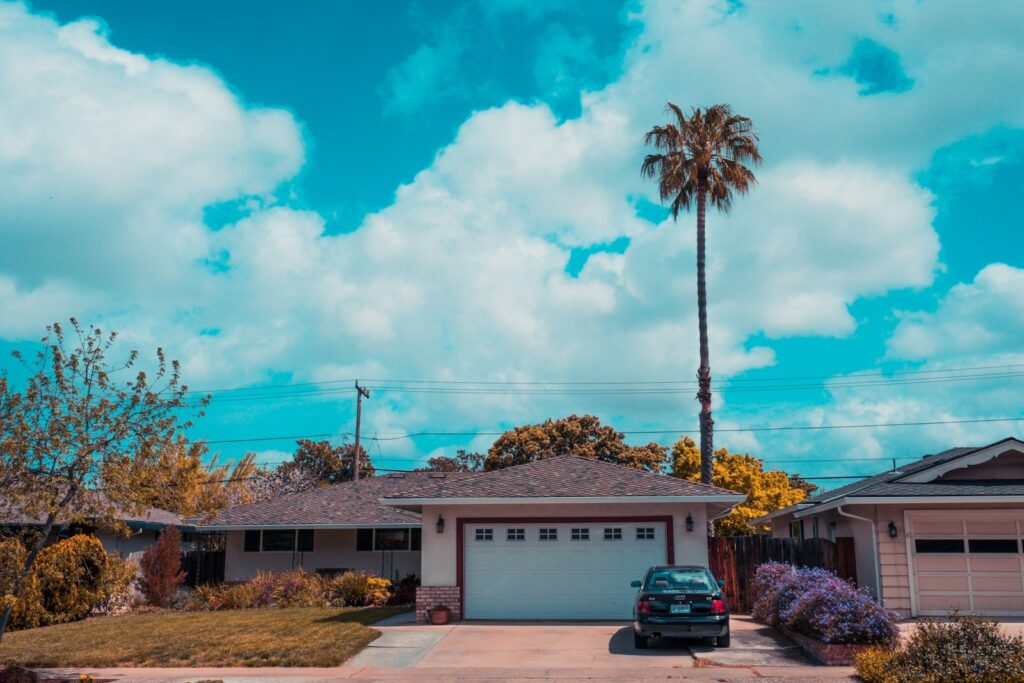
For reliable operation, inspect your garage door monthly: test the auto-reverse, run the door through a full cycle, listen for unusual noises, and check that hardware is tight and tracks are clear; lubricate rollers and hinges with a manufacturer‑recommended product and replace weatherstripping as needed to maintain smooth, safe performance.
Signs of Wear and Tear
Inspection should focus on frayed cables, sagging panels, uneven movement, loud grinding or squealing, rusted components, loose rollers, and visible spring wear; if you spot any of these signs, document them and limit use until the problem is corrected to avoid further damage or injury.
When to Call a Professional
The most hazardous or complex issues-broken or tensioned springs, snapped cables, motor failure, misaligned tracks, electrical faults, or persistent safety sensor problems-require a trained technician because they have specialized tools and knowledge to repair or replace parts safely.
Consequently, you should hire a licensed, insured garage door professional who can perform a balance test, replace springs and cables safely, realign tracks, and provide a written estimate and warranty; doing so minimizes risk, ensures correct repair, and preserves the longevity of your system.
Teaching Safety to Family Members
Now you should explain how the door works, demonstrate controls and emergency release, set firm rules about staying clear during operation, and require anyone who notices unusual noise or movement to report it so you arrange professional service promptly.
Educating Children
Among your duties, teach children to never play near the garage door or remote, to keep fingers and toys away from edges and sensors, to wait well clear when the door moves, and to tell you immediately if the door behaves oddly.
Important Tips for All Users
With all users, establish consistent habits and demonstrate safe operation:
- Keep remotes and wall controls out of children’s reach
- Stand clear of the door during opening and closing
- Test safety sensors and auto-reverse monthly
The responsibility to report issues and avoid DIY repairs falls to you to protect your household.
Family members should practice specific precautions:
- Avoid loose clothing near moving parts
- Keep the track area and sensors free of debris
- Teach teens to use the emergency release only when safe
The habit of securing remote access and testing safety features regularly reduces your risk of injury and damage.
Conclusion
The way you protect your household is by taking proactive steps: inspect sensors and cables monthly, test the auto-reverse, lubricate rollers and hinges, secure remotes and keypad codes, keep the area clear, and call a trained technician for spring or motor repairs. Following these steps reduces injury risk and extends your door’s lifespan.