
How Residential Roofing Systems Protect Homes

Over time, your roof acts as the first line of defense for your home, combining durable materials, underlayment, flashing, and proper slopes to shed water, block wind-driven debris, and deter pests; insulation and ventilation regulate temperature and moisture, while the maintenance you schedule and repairs you authorize preserve performance and extend service life.
Understanding Residential Roofing Systems
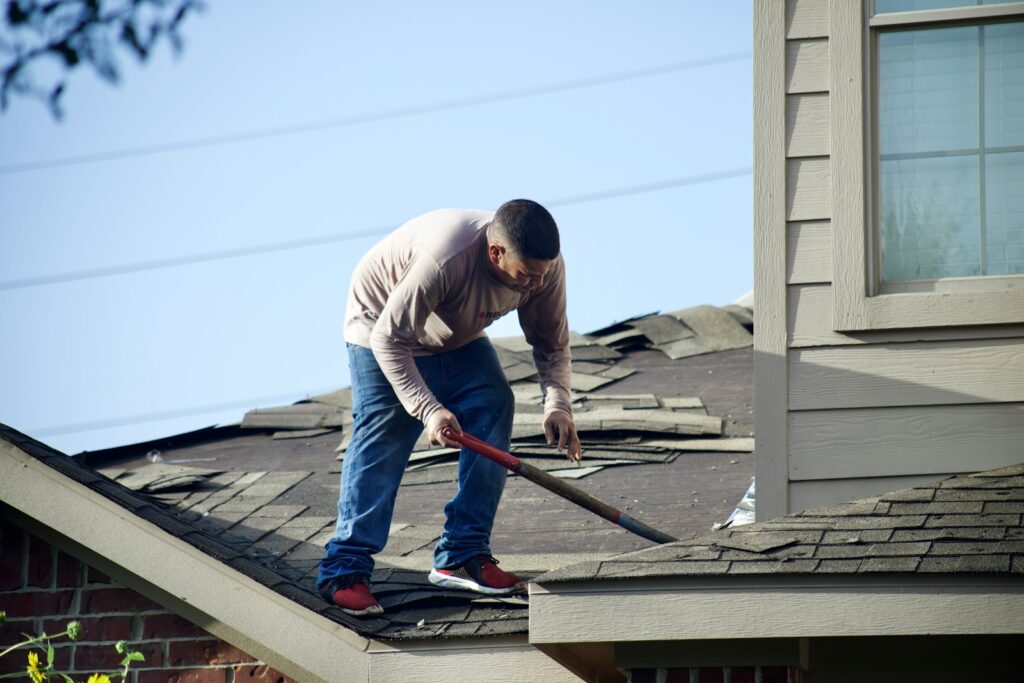
To protect your home, your roofing system sheds water, resists wind and sun, and helps maintain insulation and structural integrity; you should inspect it periodically and address damage promptly to preserve your investment.
Types of Roofing Materials
Residential roofs use materials selected for climate, lifespan, and budget.
- Asphalt shingles – common and economical.
- Metal – lightweight and long-lasting.
- Tile/Slate – durable with higher upfront cost.
| Asphalt | Affordable, easy to repair |
| Metal | Durable, reflective |
| Tile | Long lifespan, heavy |
| Wood shake | Aesthetic, needs maintenance |
| Slate | Very long-lasting, premium |
Assume that you match material to climate, budget, and local codes.
Key Components of Roofing Systems
Systems comprise decking, underlayment, roofing surface, flashing, and drainage; you should know each part’s function so you can spot failures, plan maintenance, and choose appropriate repairs.
Indeed you should evaluate decking strength, underlayment type, flashing quality, ventilation, and guttering together, because addressing weaknesses in any component prevents leaks, extends service life, and protects your interior.
The Role of Roofing in Home Protection
One primary way your roof protects your home is by forming the first line of defense against water, wind and temperature extremes, channeling moisture away and maintaining the interior environment so you can preserve structural components and belongings.
Weather Resistance
Protection against rain, snow and UV radiation ensures your roof prevents leaks and mold, and when you choose proper materials and flashing you reduce maintenance needs and prolong service life.
Structural Integrity
Role in structural integrity means your roofing system transfers loads from snow, wind and equipment to the frame, so proper installation and timely repairs keep rafters, sheathing and ceilings stable and safe for your household.
In addition, routine inspections and addressing loose shingles, rot or sagging promptly help you avoid costly structural failures and maintain the long-term load-bearing capacity of your roof.
Insulation and Energy Efficiency
Assuming your roof has proper insulation, it reduces heat transfer through the attic, stabilizes indoor temperatures, and lowers strain on your HVAC, so you use less energy and enjoy consistent comfort year‑round.
Impact on Energy Costs
Between improved insulation and reflective roofing materials, you can lower heating and cooling bills by reducing heat loss in winter and heat gain in summer, directly cutting your monthly energy expenses.
Ventilation and Temperature Regulation
About Ventilation Benefits
| Feature | How it helps you |
|---|---|
| Intake and exhaust vents | Help you prevent attic heat buildup and reduce cooling load |
| Ridge and soffit systems | Give you continuous airflow for steadier indoor temperatures |
Plus Installation Tips
| Tip | Benefit to your home |
|---|---|
| Correct vent placement | Ensures balanced airflow so you maintain comfort and efficiency |
| Pair with insulation | Protects against moisture and lowers your long‑term energy costs |
Maintenance and Longevity
After installation, regular maintenance and timely repairs keep your roof performing and protect your home investment; you should clear debris, keep gutters flowing, trim overhanging branches, and address leaks quickly. Seasonal inspections-plus professional checks every few years-help you spot wear, prevent water intrusion, and extend the useful life of your roofing system.
Regular Inspection and Care
An effective inspection routine helps you catch minor issues before they escalate; you should inspect shingles, flashings, vents, and gutters after storms and seasonally, document findings, replace damaged components, and hire a licensed roofer for problems beyond your skill to ensure safety and warranty compliance.
Lifespan of Different Roofing Materials
Lifespan varies by material: asphalt shingles often last 20-30 years, metal 40-70, tile or slate 50-100+, and wood shakes 20-40; your climate, installation quality, and maintenance determine actual life, so choose materials aligned with your budget, performance expectations, and local conditions.
Plus, warranty terms, ventilation, and substrate condition influence longevity; you should factor lifecycle costs, potential energy savings, and resale value when comparing options, and consult local roofing professionals to assess suitability and forecast replacement timelines for your property.
The Importance of Professional Installation

Once again, professional installation ensures your roof is sealed correctly, ventilation and flashing are installed to code, warranties remain valid, and workmanship minimizes leaks, mold, and structural damage-protecting your home’s value and reducing long-term repair costs while keeping you and your family safe.
Risks of DIY Roofing
Professional-grade techniques matter because when you attempt DIY roofing you can misplace flashing, compromise ventilation, void manufacturer warranties, create safety hazards, and miss code requirements, exposing you to higher repair bills and liability.
Benefits of Hiring a Qualified Contractor
Between accurate estimates, proper material choices, certified installation, and compliance with local codes, hiring a qualified contractor gives you reliable performance, faster completion, documented permits, and a clear warranty that protects your investment and peace of mind.
Due to their training and experience, contractors diagnose underlying damage, recommend cost-effective materials, coordinate inspections, handle insurance claims, and offer maintenance plans so you avoid surprises and extend your roof’s service life.
Common Roofing Issues and Solutions
For many homes, roof problems arise from weather, poor ventilation, or aging materials; you should watch for leaks, missing shingles, flashing failures, and granule loss, then act quickly with inspections, targeted repairs, or professional assessments to prevent interior damage and higher repair costs.
Identifying Potential Problems
Identifying signs like ceiling stains, attic moisture, curled or missing shingles, damaged flashing, or sudden energy spikes helps you prioritize action; perform seasonal checks from the ground and attic, document issues with photos, and decide whether DIY fixes or a licensed roofer are needed.
Repair and Replacement Strategies
With minor damage, you can replace shingles, reseal flashing, or patch underlayment, but for widespread wear you should consider full re-roofing using appropriate materials and underlayment to maximize lifespan and performance while weighing warranties and climate suitability.
Further, prioritize preventive steps-clean gutters, maintain attic insulation and ventilation, obtain multiple contractor quotes, verify licensing and insurance, and request written timelines and warranties so repairs comply with codes and protect your investment.
Final Words
Now you can see how a well-designed residential roofing system shields your home from weather, controls moisture, improves energy efficiency, and extends structural lifespan; by selecting durable materials, maintaining your roof, and relying on proper installation, you protect your investment and the safety of your family.